Few things are more frustrating than reaching for bread to make a sandwich and finding fuzzy green or white spots spreading across the loaf. If it seems like your bread goes moldy before you can finish it, the problem may have less to do with the brand and more to do with how you store it. Warm temperatures, excess moisture, and the wrong storage location can encourage mold to grow. Even bread that looks perfectly fresh when you bring it home can spoil sooner than expected under the wrong conditions. The good news is that a few simple storage changes can help you waste less bread and get more value from every loaf.
Storing Bread Somewhere Warm and Humid
One common mistake is keeping bread in a warm spot, such as beside the stove, near an oven, or on a counter that receives direct sunlight. Heat can create conditions that encourage mold growth, particularly when moisture is also present. Kitchens can become especially warm and humid during cooking, making some countertop locations less suitable for storing bread.
A cool, dry area away from appliances and direct sunlight is generally a better choice for bread you plan to eat soon. A pantry or cupboard can work well if it stays relatively cool and doesn’t trap moisture. Avoid placing bread next to the dishwasher or another appliance that releases heat and steam. Moving the loaf just a few feet away from a warm area may help it stay fresh longer.
Putting Bread in a Bag While It’s Still Warm
Freshly baked bread needs time to cool before it is sealed in a bag. When warm bread is enclosed too soon, steam can collect inside the packaging and create condensation. That added moisture can soften the crust and create conditions that encourage mold to develop.
If you bake bread at home or buy a loaf that is still warm from a bakery, let it cool completely before wrapping or bagging it. Once cool, store it in clean packaging suited to the type of bread. Commercial sliced bread is typically packaged for storage after cooling, so you generally don’t need to remove it from its original bag. The key is avoiding trapped moisture rather than leaving bread exposed indefinitely.
Keeping Bread in a Plastic Bag That Traps Moisture
Plastic bags help bread retain moisture, which is helps keep sliced bread soft. However, if condensation builds up inside the bag or the bread is stored in a damp environment, that moisture can contribute to mold growth. Repeatedly opening the bag with wet hands or placing bread on a damp surface can also introduce unwanted moisture.
Check the inside of the packaging if your bread repeatedly develops mold well before you can finish it. If you see condensation, make sure the loaf is stored in a cooler, drier location. Always use clean, dry hands or utensils when removing slices, and close the bag securely afterward. Switching to a different type of container isn’t automatically better, since breathable packaging can also make bread dry out faster.
Assuming the Refrigerator Is the Best Place to Store Bread
Putting bread in the refrigerator may seem like the obvious way to prevent spoilage, but it can have an unwanted side effect. Refrigerator temperatures speed up a process called starch retrogradation, which causes bread to become stale more quickly. That means refrigerated bread can turn firm and dry even when it has not developed mold.
For bread you expect to eat within a few days, a cool, dry countertop or cupboard is usually better for texture. If your kitchen is especially hot or humid and mold is a recurring problem, refrigeration may slow mold growth, but the bread will likely stale faster. Freezing is generally the better option for longer storage because it preserves bread more effectively without the same rapid staling effect. The best choice depends on how quickly you use the loaf and the conditions in your kitchen.
Buying More Bread Than You Can Eat in Time
A large package or a buy-one-get-one deal may seem like a smart grocery savings strategy, but it isn’t a bargain if half the bread ends up in the trash. Bread has a limited shelf life, and the amount you can use before it spoils depends on the type, packaging, storage conditions, and whether preservatives are included. Fresh bakery bread often has a shorter mold-free window than some commercially packaged loaves.
Before buying multiple loaves, consider how much bread your household typically eats in a week. If you find that a loaf regularly goes moldy before it is finished, buying a smaller package may save more money in the long run. You can still take advantage of a sale by freezing the extra loaf promptly rather than leaving it on the counter until you need it. The real savings come from using what you buy, not simply paying less per loaf.
Leaving the Bag Open or Handling Slices With Wet Hands
An open bread bag can expose the loaf to air and contaminants, while wet hands or utensils can introduce moisture that encourages spoilage. Leaving the bag open doesn’t automatically cause mold, but it can make storage less consistent and allow the bread to dry out. Bread also tends to deteriorate faster when it is repeatedly handled without care.
Close the original bag securely after each use, removing as much excess air as practical without crushing the slices. Keep the opening and the surrounding storage area clean and dry. If you use a bread box, clean it regularly and make sure it doesn’t accumulate crumbs or moisture. These small habits help keep the storage environment more consistent and reduce avoidable sources of contamination.
Freezing the Bread You Won’t Use Right Away
If you regularly throw away the last few slices of every loaf, your freezer may be the most useful tool in your kitchen. Freezing stops mold growth while the bread remains frozen and helps preserve the loaf for later use. It is especially helpful when you buy bread in bulk, bake at home, or want to keep an extra loaf on hand without rushing to eat it.
For the best results, freeze bread while it is still fresh rather than waiting until it is close to spoiling. Keep it in its original freezer-suitable packaging or wrap it securely in a freezer bag to limit air exposure and freezer burn. You can freeze slices individually or separate them with parchment paper if you want to remove only what you need. Toast frozen slices directly, or thaw them as needed, and avoid repeatedly thawing and refreezing the entire loaf.
Trying to Save Bread After Mold Appears
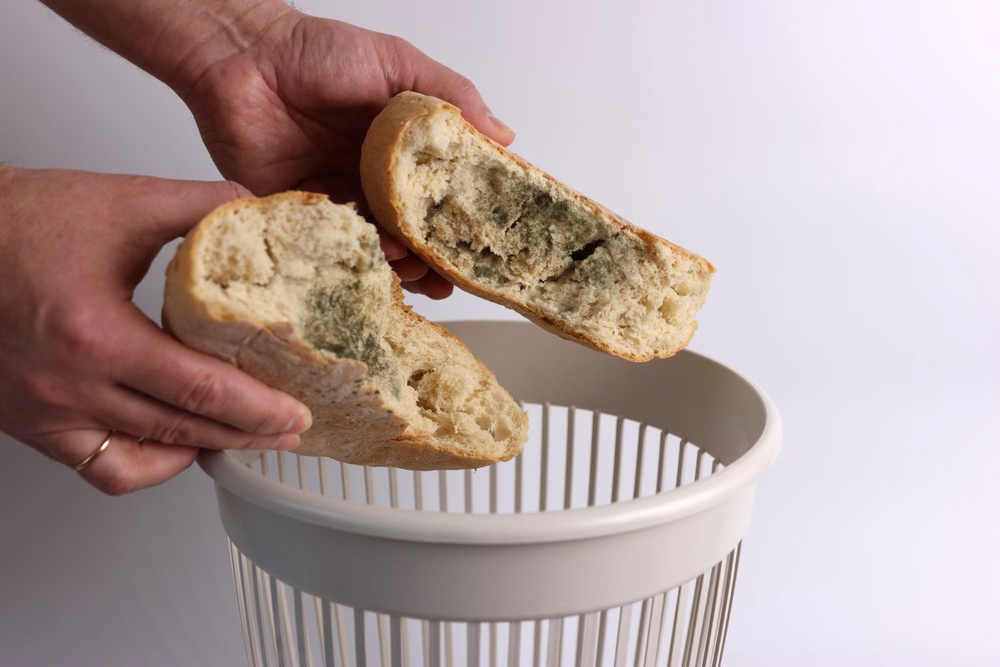
When only one slice has a visible mold spot, it can be tempting to remove it and eat the rest. Unfortunately, bread is porous, so mold can spread below the surface where it isn’t visible. Cutting away the affected area doesn’t reliably make the remaining loaf safe to eat.
If you spot mold on bread, discard the entire loaf rather than trying to salvage unaffected-looking slices. Don’t sniff moldy bread closely, since that can release mold spores into the air. Check nearby food and clean any storage surfaces that may have come into contact with the affected loaf. If mold appears unusually quickly in several loaves, review the storage conditions and packaging, and consider whether your kitchen is particularly warm or humid.
How to Keep Bread Fresh Longer and Waste Less Food
Bread can develop mold faster than expected when stored in warm, humid conditions or sealed before it has fully cooled. From choosing the wrong storage spot to buying more than you can use, small mistakes can lead to unnecessary food waste. Learn how proper storage, freezing extra slices, and recognizing when bread is no longer safe to eat can help keep your loaf fresh longer and save money.
What To Read Next
Bread Sold in Puerto Rico Recalled Over Undeclared Sesame — Check These 7 Lots
The Hidden Reason Bread Prices Are Rising Again in 2026
11 Bakery Tricks That Keep You Buying More Bread
Olive Garden’s Breadsticks Are Unlimited — But What Happens to the Ones Nobody Eats?
Why Bread Prices Are Finally Stabilizing And What It Means for Your Grocery Bill
The post Your Bread Keeps Going Moldy Too Fast — This Storage Mistake May Be Why appeared first on Grocery Coupon Guide.