
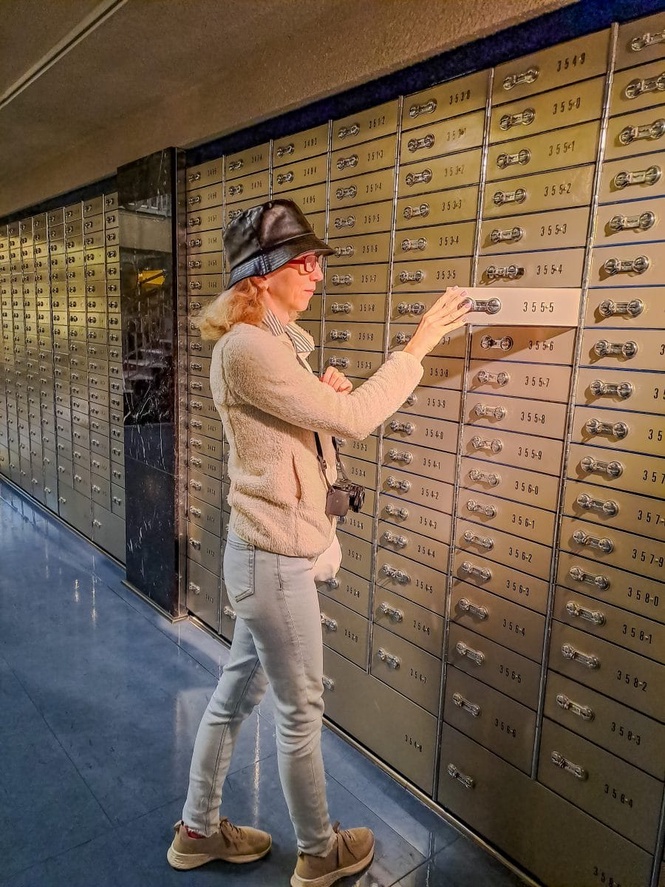
After a parent dies, families often begin searching for important documents, insurance policies, jewelry, and other valuables. But what happens when some of those belongings are locked inside a bank’s safe deposit box? You might have the key, know exactly which bank holds the box, and even be named in your parent’s will, yet still discover that you cannot legally open it.
That’s because access to a safe deposit box after death is governed by state laws, bank policies, and the legal authority of the person requesting entry. Being someone’s child doesn’t automatically give you permission to retrieve the contents, even if you’re responsible for handling their final affairs.
For families already dealing with funeral arrangements, probate, and financial paperwork, these restrictions can create unexpected complications. Understanding who can open the box, what documentation may be required, and what happens to its contents can prevent costly delays and family disputes.
Being the Adult Child Doesn’t Automatically Give You Access
One of the biggest misconceptions about a safe deposit box after death is that the deceased person’s children automatically inherit the right to open it. In reality, banks generally require proof of legal authority before allowing someone to access a box rented solely in the deceased person’s name. Even if you’re the oldest child, paid the funeral expenses, or have possession of the key, those circumstances alone may not establish your legal right to enter. Banks must follow applicable state laws and the terms of the rental agreement when determining who can access the contents. Before visiting the bank, contact its estate services department and ask what documentation is required for a deceased customer’s safe deposit box.
A Joint Renter May Have Different Access Rights
If your parent rented the box jointly with another person, that surviving renter may have continuing access depending on the rental agreement and state law. For example, a married couple might share a safe deposit box, allowing the surviving spouse to access it without first obtaining a probate court order. However, joint rental arrangements don’t necessarily establish ownership of everything stored inside the box. Jewelry, cash, property deeds, and other valuables may still belong to the deceased person’s estate, even when another renter can physically retrieve them. Anyone with joint access should document the contents carefully and consult the estate representative before removing property that could belong to other beneficiaries.
The Executor or Estate Administrator May Be Authorized to Open It
When someone dies, the person legally responsible for administering their estate often has authority to access financial records and property, including a safe deposit box after death. An executor named in a will generally needs formal court appointment before exercising the full powers of that role, while an administrator may be appointed when there is no will. For example, North Carolina law recognizes letters testamentary, letters of administration, and certain other documents as authority for accessing a deceased person’s safe deposit box. Banks may request a certified death certificate, identification, court-issued letters, or other documentation before allowing entry. If you’re handling your parent’s estate, ask the probate court and the bank which documents establish your authority rather than assuming being named in the will is sufficient.
Some States Allow Limited Access to Search for a Will
What happens if your parent’s will is locked inside the very box you need legal authority to open? Fortunately, some states have procedures allowing certain relatives to search a deceased person’s safe deposit box specifically for important documents. The Texas State Law Library, for example, explains that qualifying family members may be permitted to search for a will, burial instructions, burial plot deed, or life insurance policy under bank supervision. However, permission to search for documents doesn’t necessarily authorize someone to remove cash, jewelry, or other valuables discovered during the inspection. In Nevada, the state court system explains that a court order may be obtained to retrieve a will, but the authorized search doesn’t permit removing other property.
Having Power of Attorney Usually Won’t Help After Death
Another common misunderstanding involves adult children who previously managed a parent’s finances through a power of attorney. While that document may have authorized you to pay bills, manage bank accounts, or access financial records during your parent’s lifetime, the authority generally ends when the person dies. That means you shouldn’t assume a previously valid power of attorney still allows you to open a safe deposit box after death. Instead, legal authority typically shifts to the estate’s executor, administrator, or another person authorized under applicable law. If you previously handled your parent’s financial affairs, contact the bank and probate court to determine what new documentation you’ll need before accessing the box.
The Contents Don’t Automatically Belong to Whoever Opens It
Gaining lawful access to a safe deposit box doesn’t necessarily mean you own everything inside. A box might contain family jewelry, valuable coins, property documents, cash, or items that actually belong to someone other than the deceased renter. In many circumstances, property owned by the deceased becomes part of the estate and must be distributed according to a valid will or applicable state inheritance laws. For instance, a daughter who discovers $15,000 in cash inside her father’s box generally cannot assume the money belongs to her simply because she found it. Executors should carefully document the contents, identify ownership when possible, and follow the required estate administration procedures before distributing property.
Opening the Box May Require an Inventory
Depending on state law and the circumstances, opening a safe deposit box after death may involve preparing a formal inventory of its contents. North Carolina’s statute, for example, includes inventory requirements and specifies circumstances when a court clerk or qualified person may supervise or document the opening. This process helps establish what property was present and can reduce disputes among heirs who might otherwise question whether valuables disappeared. Families should avoid casually removing items without documentation, particularly when several beneficiaries may have an interest in the estate. Taking photographs when permitted, retaining receipts, and maintaining an accurate written inventory can help protect both the estate representative and the people entitled to inherit.
What if Nobody Knows Where the Safe Deposit Box Is?
Sometimes families know a parent rented a safe deposit box but have no idea which bank holds it. Start by reviewing financial records, bank statements, rental fee transactions, and correspondence for evidence of a box rental agreement. You can also contact financial institutions where your parent maintained accounts, although banks may require proof of legal authority before discussing confidential customer information. If the box remains unclaimed for an extended period, its contents may eventually be handled under applicable state unclaimed-property laws and bank procedures. The National Association of Unclaimed Property Administrators provides links to official state unclaimed-property programs that families can search for assets reported in a deceased person’s name.
The Best Time to Ask About a Safe Deposit Box Is Before It’s Needed
Handling a safe deposit box after death can be considerably more complicated than simply presenting a key at the bank. Whether you can open the box depends on the rental agreement, state law, your relationship to the deceased, and whether you’ve received legal authority to administer the estate. Families can avoid unnecessary complications by discussing the location of important documents, identifying authorized renters, and understanding how estate representatives will obtain access. It’s also worth keeping essential estate-planning information somewhere the appropriate people can locate it without first needing a court order. A little preparation today can spare surviving relatives considerable confusion, expense, and frustration during an already difficult time.
Have you ever had trouble accessing a loved one’s safe deposit box after their death? Do you think banks should make it easier for immediate family members to retrieve important documents? Share your experiences in the comments.
What to Read Next
Your Parent Dies and Their Car Is Still in the Driveway — Can You Legally Drive It?
9 Ways Families Fall Apart After One Parent Dies
What Should You Never Store in a Retirement Safe Deposit Box?