.png)
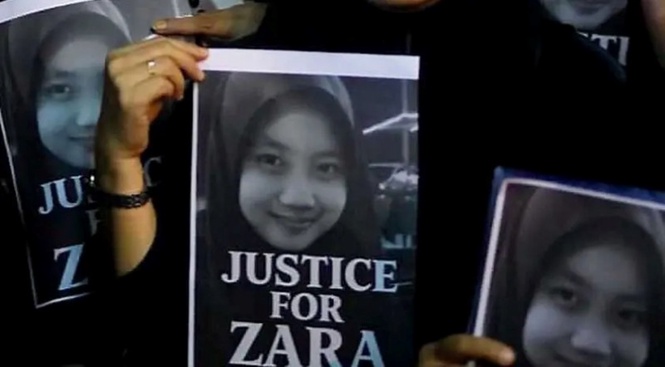
A FORENSIC psychiatrist has told the Kota Kinabalu Coroner's Court on Thursday that the private diary of the tragic schoolgirl provides the most accurate evidence of her mental torment, overriding audio recordings and upbeat family interactions because it unmasks the hidden psychological pain that ultimately drove her to crave death.
The raw and unfiltered diary of teenager Zara Qairina Mahathir carries greater evidential weight than spoken conversations or outward behaviour because adolescents frequently mask severe emotional distress behind cheerful facades, an expert witness has told a death inquest.
Forensic consultant psychiatrist Chua Sze Hung, appearing as the 67th witness in the inquest proceedings, said diaries often provide a far more accurate portrayal of a person’s internal psychological condition compared with spoken conversations or outward behaviour.
Testifying before Coroner Amir Shah Amir Hassan on Thursday, Dr Chua explained that adolescents frequently conceal emotional distress behind outwardly cheerful personalities, making verbal interactions alone unreliable indicators of genuine mental suffering.
“It is common for teenagers to hide their emotional pressure. They may present an outwardly cheerful personality and there is a risk of displaying a false personality.
“On the other hand, a diary is the truest and most genuine representation of oneself, free from social pressure, interpersonal relationships and the judgement of others. It is a raw, personal and unfiltered expression of the self. The diary is more material,” New Straits Times quoted the psychiatrist saying.
The psychiatrist was responding to questions from coordinating officer Dacia Jane Romanus during the 71st day of the inquest into the death of the Form One student.
Dr Chua, who was recalled to testify, was presented with witness statements from Zara Qairina’s uncle Abu Bakar Lamat, her aunt Nur Shira Abdullah and another family member concerning their observations and interactions relating to the relationship between Zara Qairina and her mother, Noraidah Lamat.
All three family members had testified earlier this week.
The court also played an audio recording of a telephone conversation between Zara Qairina and her mother for the psychiatrist’s assessment.
Dr Chua maintained that the diary represented a private emotional refuge where the teenager processed her true feelings and psychological struggles.
“I wish to stress again that conflict can occur periodically or continuously. It can happen once, repeatedly or become chronic.
“The psychological pain was real given that it had reached the point where she desired her own death and the deaths of her parents,” he said. - May 21, 2026