
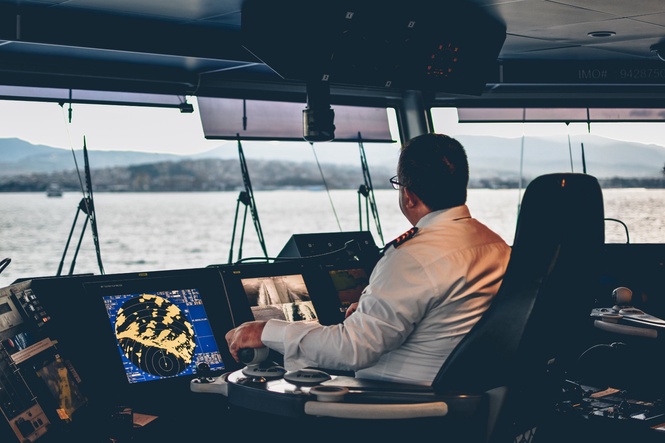
Come this April, the Royal Malaysian Navy (RMN in short) will celebrate her 89th anniversary. The second branch of Malaysian Armed Forces (MAF), the service is rumoured to have a new Chief as the current Navy Chief, Admiral Tan Sri Mohd Reza Sany is believed to be at the end of his service term and will have to go for permanent retirement.
However, at 89 years of age, the service is currently plagued with major obsolence issues that threatened the fleet in near and short term. Especially considering that naval peers in the region, including potential adversaries have modernised and strengthened their fleet and could even count on their white-hull cousins to provide back-up to their grey-hull services (grey hull refers to Navy ships which are military in nature and are painted grey, while while-hull ships refers to Coast Guard ships that are painted white, while armed, are largely considered as civilian enforcement agency in nature).
RMN on the other hand, is also tied by the fact that their cousin serrvice, Malaysian Maritime Enforcement Agency (MMEA) too are facing similar issue with most of their ships are hand-me-down ships from various agencies, including RMN and Royal Malaysian Police Force (RMP) that had been enforcement maritime law for Malaysia.
The current dire state of the RMN can be directly attributed to two events.
The NGPV Fiasco
The first was the so-called plan to procure 24 units of New Generation Patrol Vessels (NGPV) in the early 2000. The plan took a leaf out of Royal Australian Navy (RAN) of introducing the concept Fitted-For-But-Not-With (FFBNW), where the ships are treated as combat platform that are only to be fitted with the necessary armament when required via a plug-and-play concept.
The procurement plan which was awarded to a local company, PSC Naval Dockyard utilised the design of Meko 100 from Germany's Blohm+Voss.
Unfortunately, the procurement was a disaster. Of the contracted 27 ships, only the first tranche of 6 ships were built. These 6 ships were classified as the Kedah class ships. With the FFBNW concept, it became a double whammy as these ships are only equipped with 76mm Oto Melara cannon and a 30mm Breda-Mauser secondary gun. The only Beyond-Visual-Range (BVR) capability for the ships were provided by 6 Super Lynx helicopters armed with Sea Skua anti-ship missiles.
The company that was supposed to be buidling ships, PSC Naval Dockyard was believed to have squandered the fund for the project and the project itself had to be rescued. The fiasco was supposed to be investigated via a Parliamentary Select Committee (PSC), but no further news came about it.
Of the 6 vessels that had came into service, they had been fully utilised by RMN in a range of mission, as far as to the Gulf of Aden under Ops Fajar to Ops Daulat where the Kedah class ships were involved providing blockade against Sulu intruders and other potential threats (the Philippine government was deemed as a potential threat as many Filipino see Sabah as part of the Republic of Philippines, with one senator openly calling for the Philippine government to militarily intervene in Sabah).
Second Generation Patrol Vessel Fiasco
The next fiasco that came was the SGPV fiasco. The RMN had ordered 6 vessels of then newly designed Gowind from France's DCNS, awarding the contract to Boustead Naval Dockyard (BNS).
Unfortunately, the same fiasco had occurred whereby BNS had never shed her dark past; the PSC Naval Dockyard which had to be rescued for the NGPV fiasco had been taken over by Boustead and repeated the same fiasco.
An investigation was made into the fiasco whereby then Prime Minister, Datuk Seri Ismail Sabri had chosen to declassify the report just before the 14th General Election.
As the case is currently still under investigation, it is best to let the investigation to take its course.
Other Scandals
Two other scandals that impacted the RMN's capabilities, though in a different way are the scandal involving the procurement of two Scorpene-class submarines, and the NGV Tech issue.
For the Scorpene issue, though there were issues involving the procurement of the submarines, both submarines were able to extend RMN's capability as the submarines are classified as strategic assets that can be used as denial of access assets by RMN against foreign navies at time of war. While the emotion-driven public often believed that the submarines were inoperable, these were largely political rhetoric that never died away. Indeed, there were at least 3 other submarines that could not submerge in Malaysia during and shortly after the arrival of the Scorpenes, i.e. 2 irreparable former Dutch Navy Zwardviss class submarines that PSC Naval Dockyard had tried to sell to RMN, and 1 Agosta class the Ouessant submarine which was given to RMN to train the first few batches of submariners in France.
NGV Tech
NGV Tech was a local company that had tried to build several training vessels for RMN. During the building of the ships, the company ran into financial difficulties and the ships were seized by the creditors. Two ships were built and have since been operated by the Navy as KD Teguh Samudera and KD Gagah Samudera. For more indepth coverage of these ships, best to follow Marhalim Abas' website, Malaysian Defence.
RMN Dire Needs
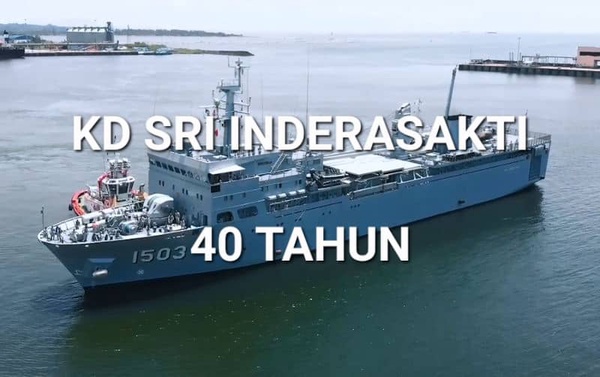
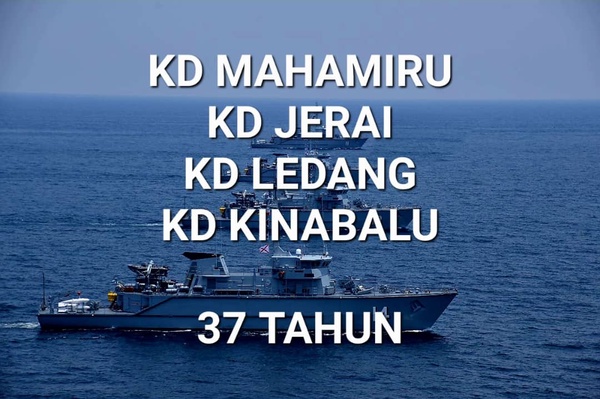
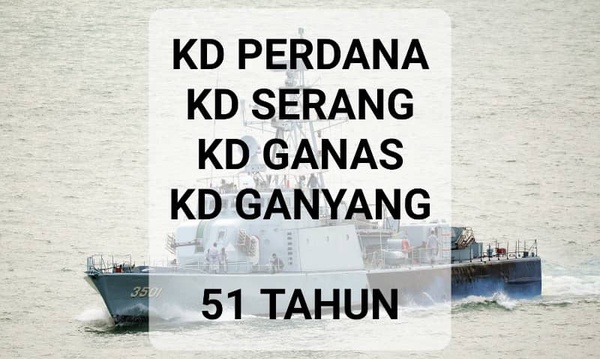
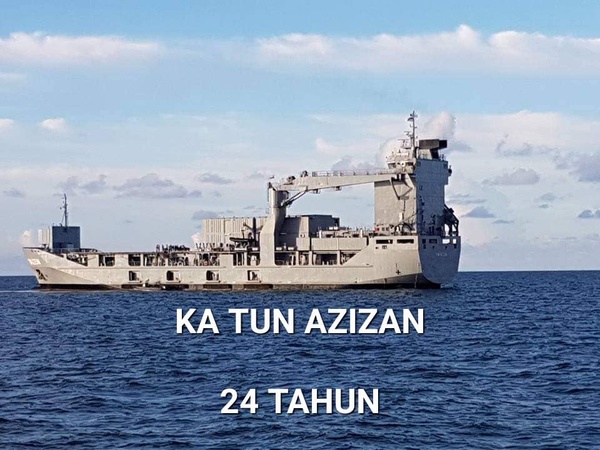
Even if we go into one by one of these issues, the elephant in the room is still that RMN's assets are undergoing through obsolences. Currently, only the 1990's procured KD Jebat and KD Lekiu can be considered as frontline combatant as both are armed with BVR missiles.
Even the once venerable Laksamana class corvettes are now only armed with their main guns with the Otomat missiles been made obsolete.
Lacking of a better word, at time of war, RMN will be sitting ducks.
Following are photos that Malaysia Military Power (MMP), a defence observer group have compiled as a reminder that RMN is indeed, a shadow of its former self.
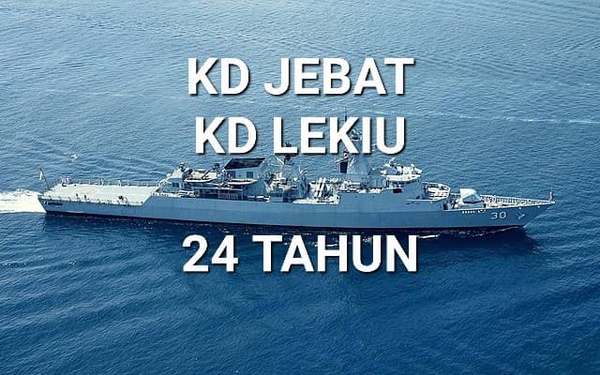
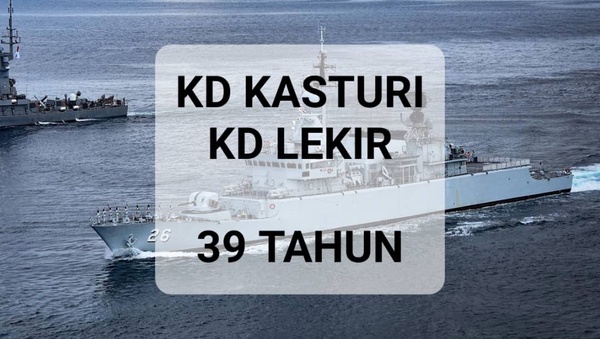
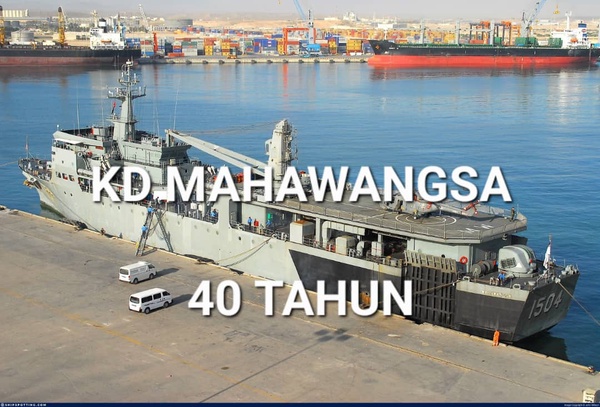
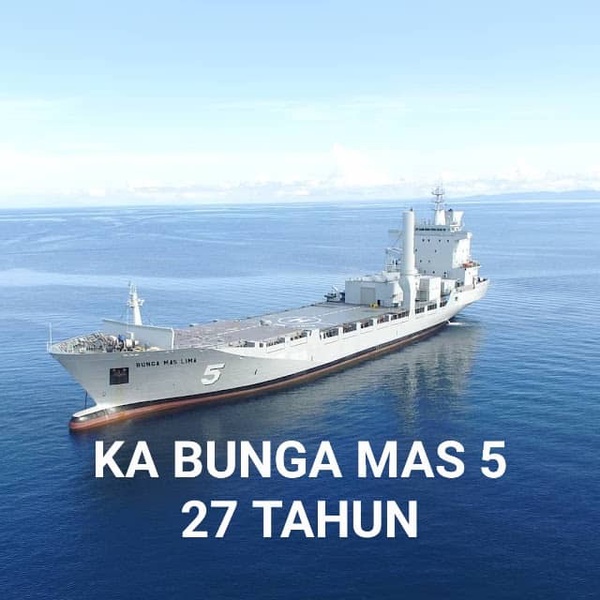
All the above photos are open-source photos.
What the Government can do?
The investigation into the above-mentioned scandals notwithstanding, the Federal Government still have a fiduciary duty to ensure that the Navy fleet continues to operate.
First thing that the Government should be doing is to consider procuring new or acceptable second-hand vessels from other countries. One option is to seek US' Excess Defence Articles to identify US Navy ships that would be retired. Indeed, if the past government had taken this route, RMN today would have been operating Oliver Hazard Perry class ships, but then the government had chosen to develop the local defence sector.
Other than USN, the Government could also source the same from either the British as they are in the midst of reducing the size of their forces.
Would this do the trick to ensure that RMN fleet continue to operate? It is too early to know but one must bite the bullet.
Danny Liew is a content creator under the Newswav Creator programme, where you get to express yourself, be a citizen journalist, and at the same time monetize your content & reach millions of users on Newswav. Log in to creator.newswav.com and become a Newswav Creator now!
The User Content (as defined on Newswav Terms of Use) above including the views expressed and media (pictures, videos, citations etc) were submitted & posted by the author. Newswav is solely an aggregation platform that hosts the User Content. If you have any questions about the content, copyright or other issues of the work, please contact Newswav.
