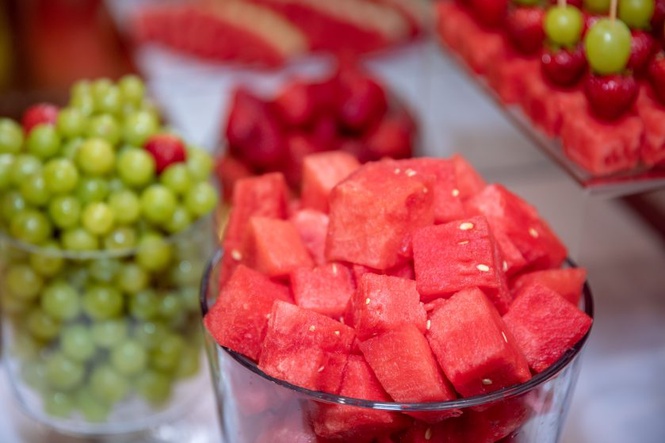
Grocery stores are designed to make shopping faster and easier, from pre-cut vegetables to ready-made meals and individually packaged snacks. While these conveniences can save time, they often come with higher prices that are easy to overlook during a routine shopping trip. Over time, paying extra for small shortcuts can add up and leave less money for other essentials. Knowing which grocery conveniences cost more than necessary can help you decide when the extra expense is worthwhile and when doing a little more yourself could save money.
1. Pre-Cut Fruits and Vegetables
Pre-cut fruit and vegetables can make dinner preparation faster, but that convenience often comes with a higher price per pound. Shoppers may pay substantially more for diced onions, sliced peppers, peeled carrots, and ready-to-eat melon than they would for whole produce. The extra cost covers preparation, packaging, and the labor required to make the food ready to use. When you buy several prepared ingredients for one meal, those small price differences can quickly add up.
Buying whole produce is usually the better choice when you have time to prepare it yourself. A whole onion can be chopped in minutes, and a bag of carrots can provide ingredients for several meals. However, pre-cut produce can still be worthwhile if it helps you cook more often or prevents food from going unused. Compare unit prices and consider how much preparation time you are actually saving before deciding which option belongs in your cart.
2. Pre-Shredded Cheese
Pre-shredded cheese is convenient when making tacos, casseroles, pizza, or quick weeknight dinners. Instead of pulling out a grater and cleaning it afterward, shoppers can open a bag and start cooking. That convenience can come at a premium, particularly when a smaller shredded package costs more per ounce than a comparable block. Buying shredded cheese repeatedly can make a noticeable difference for households that use it throughout the week.
A block of cheese generally offers better value if you do not mind grating it yourself. It can also provide more flexibility because you control how much to shred for each recipe. Still, pre-shredded cheese makes sense when time is limited or a recipe calls for a large amount. Compare the price per ounce rather than assuming the larger package or familiar brand automatically provides the best deal.
3. Bagged Salad Kits
Bagged salad kits promise a quick side dish without the work of washing lettuce, chopping vegetables, or preparing dressing. Many include toppings and a dressing packet, making them especially appealing on busy evenings. The downside is that you are paying for several components that may cost less when purchased separately. If your household eats salad regularly, the convenience premium can become a recurring expense.
Buying a head of lettuce or a larger container of greens and adding your own toppings may stretch your budget further. Carrots, cucumbers, croutons, and dressing can be used across multiple meals rather than purchased in a single-serving kit. However, the cheapest option is not always the one with the lowest shelf price. If loose greens spoil before you finish them, a smaller salad kit may create less waste and deliver better value overall.
4. Ready-Made Meals From the Deli
Prepared pasta dishes, roasted chicken meals, hot sides, and deli entrees can rescue shoppers who do not have time to cook. They also make it easy to pick up dinner while completing a regular grocery run. But the price reflects more than the ingredients, including preparation, labor, packaging, and the convenience of having a finished meal available. Buying several prepared items for one dinner can cost considerably more than assembling a meal from basic ingredients.
Before choosing the deli counter, consider how many people the meal will feed and whether leftovers are included. A prepared entrée might serve only one or two people, while a simple homemade dish could stretch across several portions. Rotisserie chicken, for example, can sometimes offer better value than buying multiple individual prepared entrees, depending on the store and size. The best choice is the one that fits your budget, serving needs, and schedule without leaving expensive leftovers uneaten.
5. Individual Snack Packs
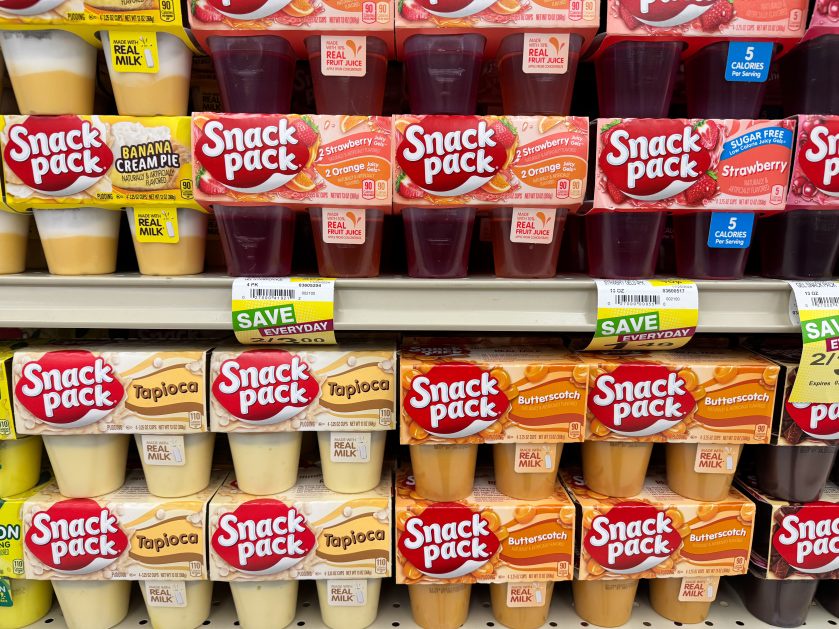
Individually wrapped crackers, cookies, nuts, cheese, and fruit snacks make packing lunches and grabbing food on the go easier. They also help with portion control, which can be useful for families and people who prefer ready-to-pack options. However, shoppers often pay more per ounce for individual servings than for a larger package of the same or a similar product. The extra packaging and portioning can make a routine lunchbox purchase more expensive than expected.
Buying a family-size package and dividing it into reusable containers can reduce the cost of snacks over time. This approach works particularly well for foods that stay fresh after opening and are eaten regularly. Still, individual packs can be practical for travel, busy mornings, or situations where reusable containers are inconvenient. Compare the total package weight and price before deciding whether the time saved is worth the added expense.
6. Pre-Marinated Meat and Ready-to-Cook Proteins
Pre-marinated chicken, seasoned steak, kebabs, and ready-to-cook meat products promise flavor without measuring spices or preparing a marinade. They can shorten dinner preparation and reduce the number of ingredients you need to buy. However, the price may be higher than that of plain meat, and the package weight can include marinade or other added ingredients. Shoppers may therefore pay extra for preparation that takes only a few minutes at home.
Buying plain chicken or another protein and seasoning it yourself can provide more control over flavor and cost. Basic pantry ingredients such as garlic, pepper, herbs, and oil can create a range of marinades without requiring a separate prepared product. On the other hand, ready-to-cook proteins can be useful when they prevent an expensive takeout order or help you get dinner on the table. Check the unit price and ingredient list before deciding whether the convenience is worth paying for.
7. Grocery Delivery and Service Fees
Grocery delivery can save time, reduce travel, and help shoppers who cannot easily visit a store. The real cost, however, may extend beyond the price displayed beside each product. Delivery charges, service fees, tips, minimum-order requirements, and possible price differences can increase the final total. A basket that looks affordable while browsing may become noticeably more expensive at checkout.
Compare the final delivery total with what you would pay for the same groceries in person before placing an order. Pickup can sometimes provide a middle ground by avoiding a trip through the store while reducing delivery-related costs, although fees and pricing policies vary. If delivery helps you avoid unnecessary impulse purchases or is essential for your circumstances, the added expense may be justified. The important thing is to evaluate the complete bill instead of focusing only on the grocery subtotal.
8. Pre-Portioned Ingredients and Meal Kits
Pre-portioned ingredients and meal kits can simplify cooking by supplying measured ingredients and instructions for a particular recipe. They may also reduce the need to purchase full containers of spices or sauces for a meal you have never made before. Yet the per-serving cost can be higher than preparing a similar dish from groceries you already own. Shipping charges, subscription terms, and optional upgrades can further affect the overall price of meal kits.
These services can be useful when you want to try new recipes or need help organizing weeknight dinners. To compare their value fairly, account for ingredients left over after cooking, not just the amount spent at the register. Buying every ingredient for a single recipe can be expensive initially, but many pantry staples will last for future meals. Meal kits may be worth the premium when convenience and variety matter most, while routine family meals may cost less with basic grocery ingredients.
9. Bottled Water and Single-Serve Drinks
Individual bottles of water, juice, tea, and other drinks are easy to grab during a grocery trip. They are also convenient for packed lunches, road trips, and occasions when carrying a reusable bottle is impractical. But buying drinks one at a time can cost more per ounce than purchasing larger containers or using tap water where it is safe to drink. Those repeated purchases may seem minor until they become part of every shopping trip.
For everyday use, a reusable water bottle and safe tap water can reduce spending and packaging waste. Larger containers of juice or other beverages may also offer a lower unit price, although they require refrigeration and careful portioning after opening. Shoppers should compare the cost per ounce and consider how quickly the drink will be consumed. Convenience still matters, but buying single-serve drinks by habit can make them an easy expense to overlook.
10. Pre-Packaged Produce Trays and Party Platters
Ready-made vegetable trays, fruit platters, cheese boards, and party snacks can save hours when preparing for guests. They remove the need to wash, cut, arrange, and package individual ingredients. The price includes preparation and presentation, so the same ingredients may cost less when purchased separately. For a small gathering, the difference can be significant if you need several trays or platters.
Making your own platter is often more economical when you have time to prepare it. Buying whole fruit, vegetables, cheese, and crackers lets you choose quantities based on the number of guests and avoid paying for ingredients nobody wants. However, a prepared platter may be worth the cost when time is short or presentation matters. Compare the package size, variety, and amount of edible food before assuming a homemade version will always be cheaper.
The Real Cost of Convenience Is Worth a Second Look
Grocery store conveniences aren’t necessarily a waste of money, but paying extra for them out of habit can quietly stretch your food budget. The next time you shop, compare unit prices on prepared foods, packaged snacks, and ready-to-cook ingredients to see where a little extra effort could lead to meaningful savings. Even cutting $5 in unnecessary convenience costs from your weekly grocery bill could save approximately $260 over a year. Of course, saving time, reducing food waste, and making meals easier to prepare have value, too. The goal isn’t to eliminate every shortcut but to spend intentionally on the ones that genuinely make your life easier.
Which grocery store convenience do you think is worth paying extra for, and which one would you never buy? Share your thoughts in the comments.
What To Read Next
Why Are Costco’s Food Court Prices So Much Lower Than Other Restaurants?
You Saved $40 at the Grocery Store. How Much Did You Have to Spend to “Save” It?
7 Items Families Cut First When Budgets Tighten
What’s the One Item You Should Never Buy Pre-Cut?
13 Controversial Opinions on Buying Food Online That Might Be Spot‑On
The post 10 Grocery Store “Conveniences” That Cost More Than You Think appeared first on Grocery Coupon Guide.