Feeding a family of four on a grocery budget takes more than finding the cheapest items on the shelf. The real savings come from buying ingredients that can be used in several meals, reducing food waste, and avoiding extra shopping trips for one missing item. A bag of potatoes might become a dinner side, breakfast hash, and a filling addition to soup. A package of chicken can cover multiple dinners when paired with different pantry staples.
These eight grocery staples offer that kind of flexibility. Prices vary by store, package size, and location, so this list focuses on ingredients that are generally versatile and budget-friendly rather than promising a specific checkout total. With a little planning, families can use the same groceries in different ways throughout the week.
1. Oats and Eggs Cover More Than Breakfast
Oats are an inexpensive pantry staple that can serve as more than a quick morning meal. A large container can provide several breakfasts, whether the family prefers oatmeal with bananas, overnight oats, or oats mixed into pancake batter. Plain oats also work as a binder for meatballs or homemade meatloaf, helping stretch ground meat without buying a separate ingredient. Because they keep well when stored properly, families can use them over several weeks instead of worrying about fresh food spoiling.
Eggs offer another flexible option for breakfast, lunch, and dinner. Scrambled eggs and toast make a quick meal, while boiled eggs can top salads or fill sandwiches. Families can also add eggs to fried rice, breakfast burritos, or a potato hash. Buying these two staples gives households several meal options without requiring specialty ingredients or complicated recipes.
2. Rice and Pasta Create the Base for Multiple Dinners
Rice is useful for stretching ingredients that might otherwise feed only a few people. Serve it with chicken and vegetables one night, turn leftovers into fried rice the next day, or use it as the base for a bean bowl. Dry rice is shelf-stable, and a larger bag can be more economical than repeatedly purchasing small packages. Families should compare unit prices and choose a variety they will actually use.
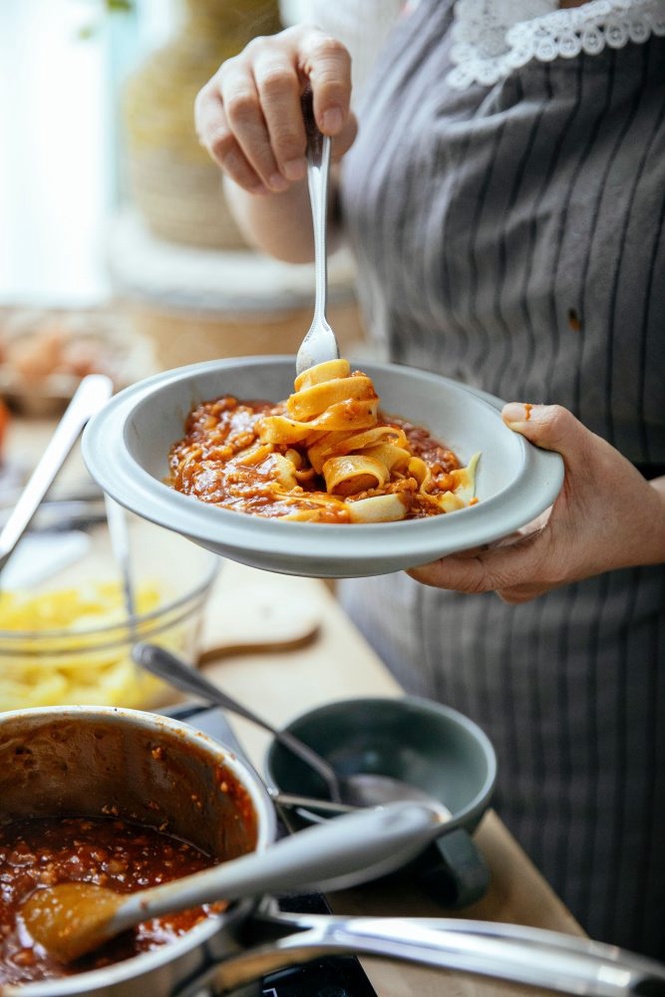
Pasta offers similar flexibility without requiring an entirely different set of ingredients for each dinner. One night, pair it with tomato sauce and vegetables; another, use leftover chicken to make a simple pasta skillet. Pasta salad can also turn leftovers into a lunch that travels well. Keeping both rice and pasta on hand makes it easier to build meals around whichever protein or vegetable is on sale.
3. Dried or Canned Beans Add Protein and Stretch Meals
Beans are one of the most useful budget staples because they can serve as a main ingredient or supplement a smaller portion of meat. Black beans work in tacos and rice bowls, while kidney beans can bulk up chili and soups. Chickpeas can become a simple salad or join roasted vegetables for a filling lunch. Dried beans often cost less per serving, although canned beans are convenient when cooking time is limited.
The savings become more noticeable when beans are added to meals the family already enjoys. Mix them into taco filling, add them to pasta sauce, or combine them with rice and vegetables for a meatless dinner. Canned options make preparation easy, and rinsing them can reduce some of the sodium. Buying varieties that fit several recipes helps prevent half-used cans from sitting in the refrigerator.
4. Chicken Thighs Can Anchor Several Family Meals
Chicken thighs are worth comparing with chicken breasts because they are often competitively priced and remain flavorful when cooked in different ways. Roast a batch with seasonings for one dinner, then remove the leftover meat for sandwiches, soup, or pasta. Bone-in thighs may cost less per pound than boneless cuts, although the bone adds weight that isn’t edible. Compare the price and usable amount before deciding which package is the better value.
Planning the second meal before cooking can help families get more from the same purchase. Serve roasted chicken with potatoes and vegetables, then use the remaining meat in a rice bowl or simple soup. Refrigerate leftovers promptly and use them within recommended food-safety timelines, or freeze portions for later. This approach reduces waste and makes a future dinner easier to prepare.
5. Potatoes Work for Breakfast, Dinner, and Lunch
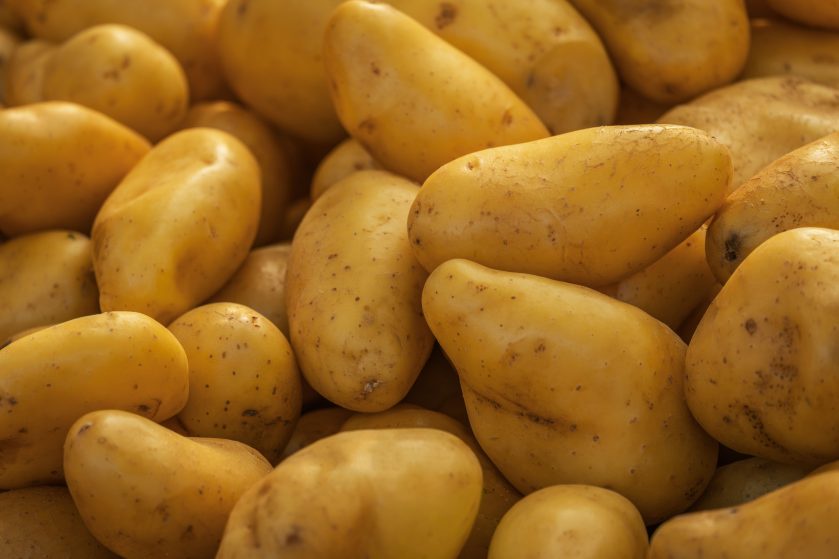
Potatoes are filling, versatile, and useful in nearly every part of a meal plan. Bake them as a side dish, mash them for dinner, or dice them into breakfast hash with eggs. They can also be added to soups and stews to make a pot of food more substantial. A bag of potatoes provides multiple servings, making it easier to plan around one purchase instead of buying a different starch for every meal.
Storage makes a difference in how much value families get from a bag. Keep potatoes in a cool, dark, well-ventilated place, away from onions, and check them regularly for spoilage. Plan meals that use the potatoes in different forms so the family doesn’t get tired of the same side dish. Changing seasonings and cooking methods can make a familiar ingredient feel like a new meal.
6. Frozen Vegetables Help Reduce Waste
Frozen vegetables are a practical choice when fresh produce spoils before the family can finish it. Peas, broccoli, green beans, corn, and mixed vegetables can be added to rice, pasta, soups, casseroles, and skillet dinners. They are typically washed and prepared before freezing, which also saves time during busy evenings. Choose plain varieties when possible so you can control the seasonings and added ingredients.
Frozen vegetables also make it easier to use the same ingredients across several meals without worrying about finishing a fresh bunch within a few days. Add broccoli to pasta, stir mixed vegetables into fried rice, or serve green beans alongside roasted chicken. Buy the types your household enjoys, and compare the cost per ounce with fresh or canned alternatives. The best option is the one that fits both the budget and the family’s eating habits.
7. Combine the Staples Instead of Planning Eight Separate Meals
The biggest benefit of these groceries comes from using them together. Chicken, rice, and frozen vegetables can make one dinner, while beans, rice, and vegetables can form another. Potatoes and eggs become breakfast hash, and pasta, leftover chicken, and vegetables can turn into a quick skillet meal. The same ingredients can appear more than once without making every dinner identical.
Before shopping, check the pantry, freezer, and refrigerator, then write down meals that reuse ingredients. The USDA’s MyPlate budget guidance recommends planning meals, using leftovers, and keeping a mix of fresh, frozen, and shelf-stable foods to help reduce waste. Buy only what is missing, check store-brand prices, and use weekly promotions when they apply to foods already on your list.
A Shorter Grocery List Can Make the Budget Go Further
A family of four doesn’t need a completely different set of ingredients for every meal. Oats, eggs, rice, pasta, beans, chicken thighs, potatoes, and frozen vegetables can form the foundation for a variety of breakfasts, lunches, and dinners. Choosing flexible ingredients helps limit waste and makes it easier to adapt meals to sales and what is already in the kitchen.
Start with a few meals your family enjoys, then choose groceries that can serve more than one purpose. Store leftovers safely, freeze extra portions, and avoid buying large packages simply because the unit price looks attractive. A practical grocery list isn’t the one with the most items. It’s the one that turns what you buy into meals your family will actually eat.
What To Read Next
Ordering Fast Food for a Family of 4? These 7 Mistakes Can Add $20 to the Bill
What Should a Family of 4 Actually Spend on Groceries in 2026?
11 Ways to Save on Groceries for a Family of Five
10 Tips for Feeding a Family of Four on Fifty Dollars a Week
The post Cheap Grocery List for a Family of Four: 7 Staples That Stretch Across Multiple Meals appeared first on Grocery Coupon Guide.