A few things left on your porch or in the backyard might seem harmless until a storm, theft, or accident turns them into an expensive problem. That spare ladder leaning against the garage could make a break-in easier, while an unattended package may disappear before you get home. Other outdoor items can create fire hazards, water damage, or liability concerns that homeowners rarely consider. You don’t need to empty your yard completely to reduce those risks. But these ten items deserve a safer storage location before they create a problem that costs far more than replacing the item itself.
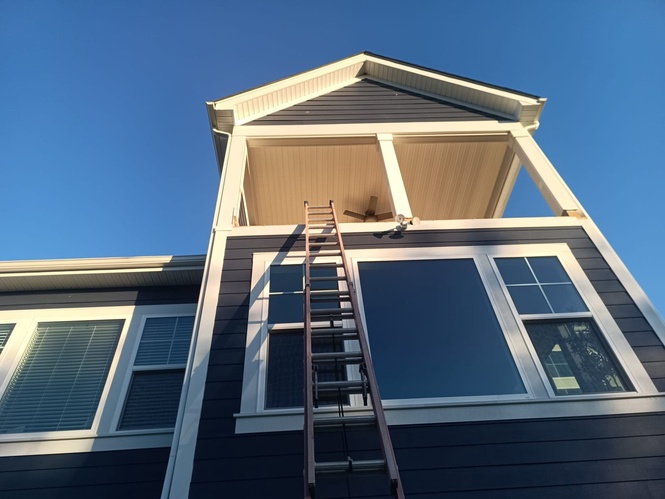
1. Ladders That Make Upper Windows Accessible
A ladder left beside the house may provide convenient access to upper windows, balconies, or roofs. That can create an avoidable security concern if someone uses it to reach an otherwise difficult entry point. Store ladders in a locked shed or garage when possible. If outdoor storage is unavoidable, secure the ladder to prevent unauthorized use. The cost of replacing stolen property or repairing a damaged window could far exceed the effort required to put the ladder away.
2. Packages Sitting in Plain Sight
An unattended delivery can attract opportunistic theft, particularly during busy shopping seasons. Expensive electronics, medications, and holiday gifts may be especially inconvenient to replace. Consider using delivery lockers, secure package boxes, or pickup locations when you cannot receive shipments personally. The Federal Trade Commission provides guidance on online purchases and problems involving deliveries. Keep tracking information and purchase records in case you need to contact the seller or carrier.
3. Spare Keys Hidden Near the Door
A key beneath a flowerpot or decorative rock may feel like a clever backup plan. Unfortunately, obvious hiding places can undermine the security provided by an otherwise reliable lock. Consider leaving a spare with a trusted person or using an appropriately secured lockbox instead. Avoid attaching identifying address information to spare keys. Replacing locks and dealing with a burglary can become considerably more expensive than arranging a safer way to handle accidental lockouts.
4. Extension Cords That Aren’t Rated for Outdoor Use
Indoor extension cords aren’t designed to withstand prolonged exposure to rain, moisture, and outdoor conditions. Using the wrong cord can create shock or fire hazards, especially when connected to high-powered equipment. The Electrical Safety Foundation International provides electrical safety guidance for outdoor equipment and seasonal decorations. Use cords specifically rated for the environment and equipment involved. Permanent electrical needs should be addressed with properly installed outdoor outlets rather than improvised long-term extension cords.
5. Unsecured Propane Cylinders
Propane containers require careful storage because they contain flammable gas under pressure. They should generally be kept upright in suitable, well-ventilated outdoor locations away from ignition sources and vulnerable areas. Leaving cylinders where they can fall, overheat, or be damaged creates unnecessary risk. Follow manufacturer instructions and applicable fire codes rather than storing them in enclosed living spaces. Proper storage matters more than hiding the cylinder from view.
6. Expensive Power Tools
A pressure washer, portable generator, or set of power tools left outdoors can be an attractive theft target. Exposure to moisture may also damage motors, batteries, and electrical components. Store equipment in a secure, dry location that follows the manufacturer’s instructions. Keep serial numbers and purchase records for insurance or police reports if something disappears. A few minutes of secure storage can protect equipment that might cost hundreds or thousands of dollars to replace.
7. Outdoor Furniture During Severe Weather
Patio chairs, umbrellas, and lightweight tables can become dangerous when strong winds arrive. Flying objects may damage windows, vehicles, fences, or neighboring property. Secure or relocate movable furniture before severe weather rather than waiting until conditions become hazardous. Even heavy items may shift during unusually strong storms. Insurance coverage and liability depend on the circumstances, making prevention preferable to a dispute after damage occurs.
8. Important Paperwork in Unsecured Areas
Documents left in vehicles, outdoor workspaces, or unsecured porch storage can expose personal information. Tax records, financial statements, and mail may contain account numbers or other details useful to identity thieves. The FTC’s identity theft resources explain how stolen personal information can be misused. Store sensitive documents indoors and securely dispose of paperwork you no longer need. A stolen document can create complications that extend well beyond the cost of replacing the paper.
9. Unprotected Outdoor Faucets in Freezing Weather
An outdoor faucet connected to plumbing can become a source of expensive water damage when temperatures drop. Depending on the plumbing design and climate, freezing water may damage pipes or fittings. Disconnect hoses and follow local recommendations for winterizing outdoor water connections. Some frost-free faucets also require proper installation and maintenance to function as intended. Repairing a burst pipe and associated water damage can cost substantially more than taking preventive steps.
10. Valuable Bicycles and Recreational Equipment
Bicycles, scooters, and other recreational equipment may be easy to steal when left unsecured. Even relatively inexpensive items can add up when several family members own them. Use appropriate locks and store valuable equipment in a secured location whenever possible. Keep photographs and identifying information to support recovery or insurance claims. Avoid assuming that a fenced yard automatically provides adequate protection.
Check Your Insurance Before Something Happens
Homeowners insurance may cover certain theft or damage involving personal property, but exclusions, limits, and deductibles matter. Some expensive items may require additional coverage or have special limitations. Liability protection can also depend on the facts surrounding an accident. Review your policy before assuming every outdoor loss will be reimbursed. Preventive storage and maintenance are often more economical than filing a claim for avoidable damage.
Protecting your home doesn’t require buying elaborate security systems or removing every object from the yard. Start by identifying items that could attract theft, cause injuries, create water damage, or become dangerous during storms. Secure what you can and relocate equipment that doesn’t belong outdoors permanently. Check these areas again when seasons change or severe weather approaches.
What’s one thing you’ve been leaving outside your home that might deserve a safer storage spot?
Partner Pick: Thinking about investing? Motley Fool Stock Advisor shares new stock picks every month. See Stock Advisor (affiliate link).