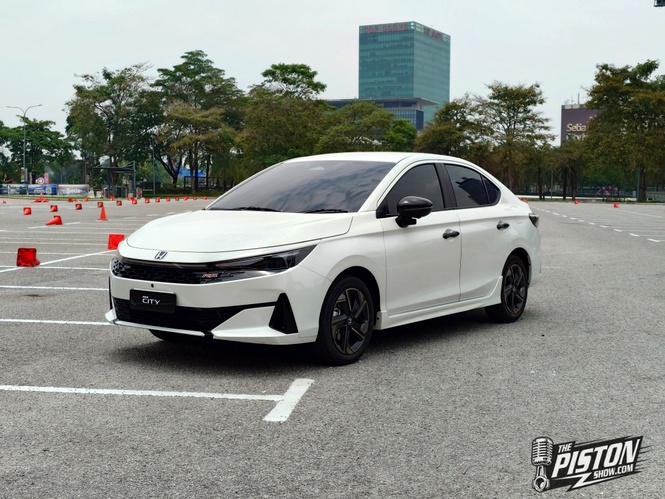
The 2026 Honda City now comes in four variants with petrol and e:HEV powertrains, upgraded safety equipment and prices ranging from RM89,900 to RM 111,900.
CHOOSING a Honda City used to be fairly straightforward. Decide how much you wanted to spend, work your way up the variants until the monthly instalment started making you uncomfortable, and there was probably a City somewhere in the middle that made sense.
The newly facelifted City does not change that formula dramatically, although Honda has trimmed the range from five variants to four. The entry-level S is gone, leaving the E, V, Petrol RS and e:HEV RS, priced from RM89,900 to RM111,900. More importantly, the differences between them are now fairly easy to understand.
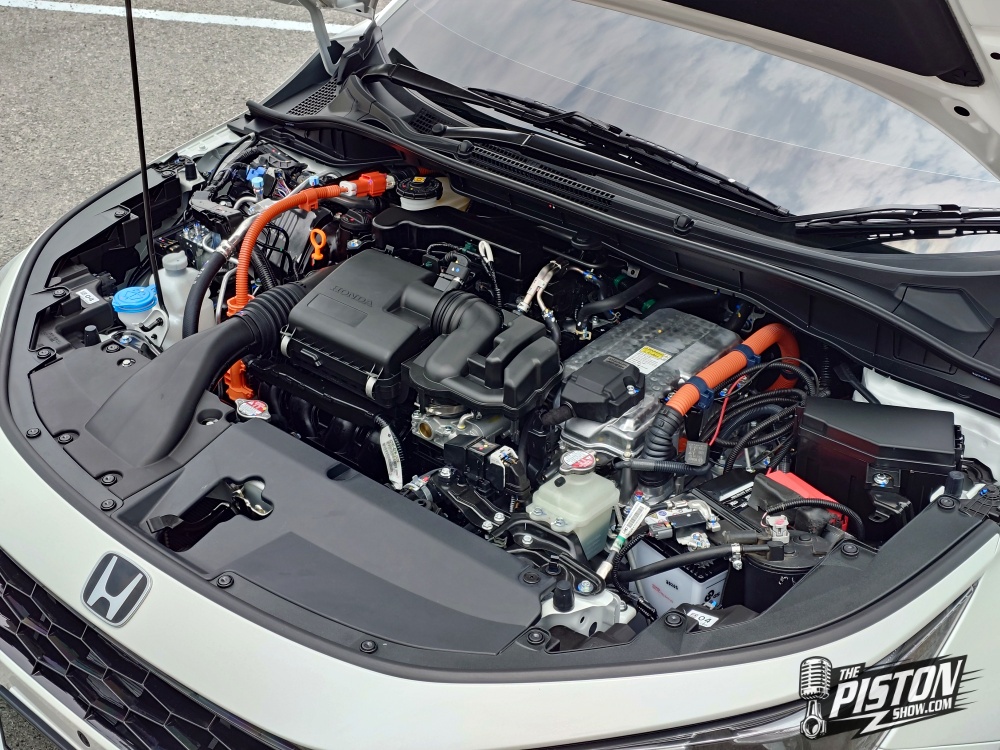
Three of the four use Honda’s familiar 1.5-litre naturally aspirated four-cylinder petrol engine, producing 121PS and 145Nm through a CVT. The e:HEV RS takes a very different approach, pairing a 1.5-litre Atkinson-cycle engine with Honda’s two-motor hybrid system. Most of the time, a 109 PS and 253 Nm electric motor is responsible for actually driving the wheels, while the petrol engine largely generates electricity before being able to connect directly to the wheels at higher speeds.
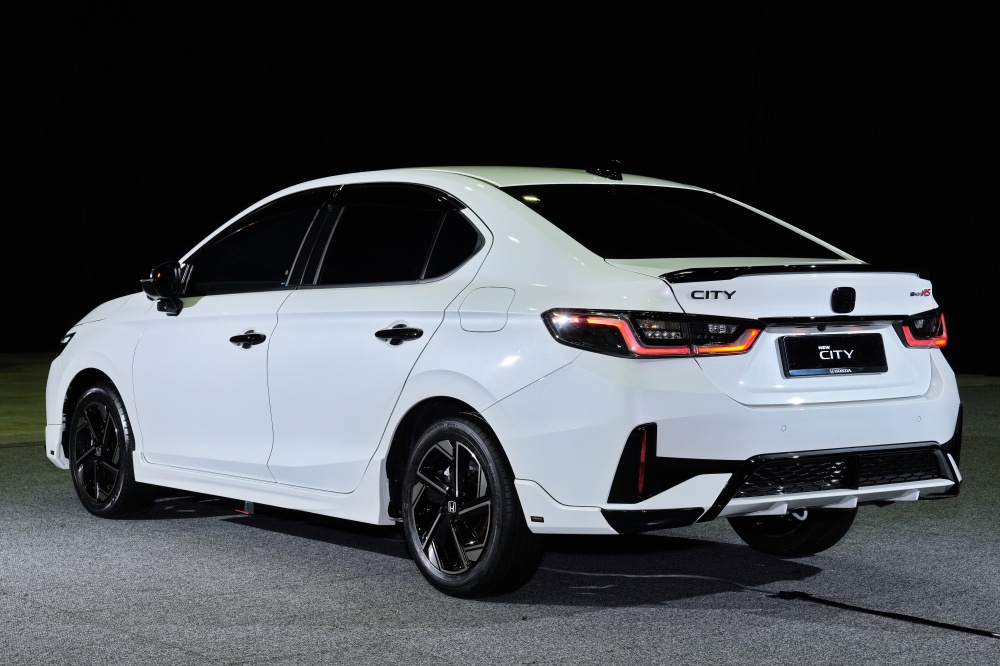
So, which one makes the most sense?
The City E starts at RM89,900 and is no longer quite the stripped-out entry variant you might expect. Honda has upgraded it to Bi-LED headlights, while the safety equipment is particularly comprehensive for the base model.
Honda SENSING, adaptive cruise control, Lane Keeping Assist, Collision Mitigation Braking, Road Departure Mitigation and Auto High Beam are joined by the new Blind Spot Information system with Cross Traffic Monitoring, while Honda LaneWatch remains standard too.
You also get smart entry with push-button start, remote engine start, rear air-conditioning vents, six airbags and an eight-inch touchscreen with wired Apple CarPlay and Android Auto. The E sticks with 15-inch wheels, a smaller 4.2-inch meter display and fabric upholstery, but there is surprisingly little missing if what you want is simply a well-equipped City without spending for cosmetic upgrades.
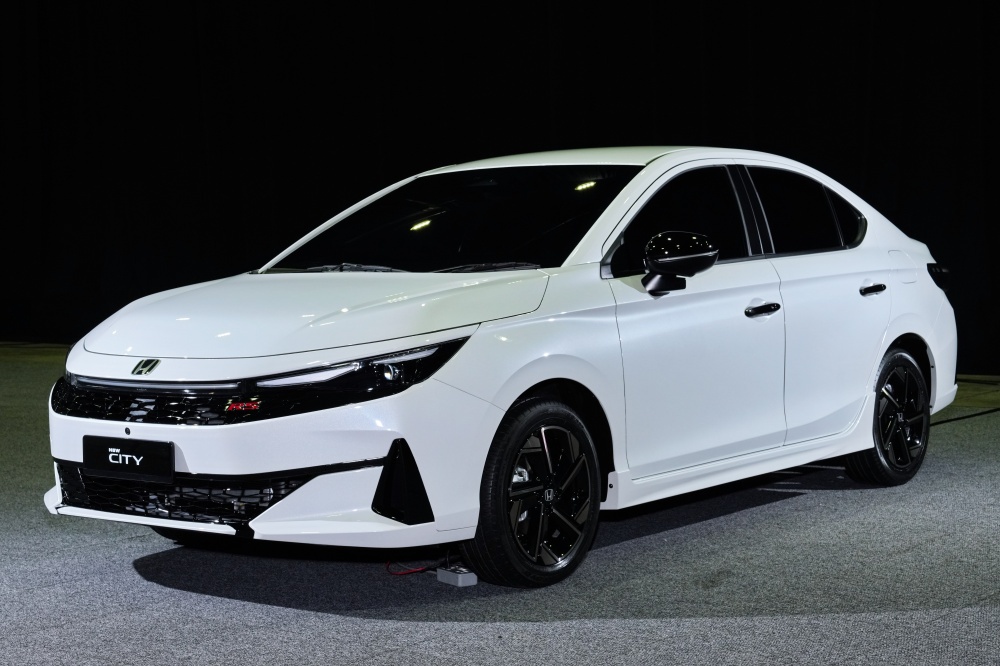
Another RM5,000 brings you to the RM94,900 City V, and this is arguably where the equipment starts feeling noticeably more upmarket. The wheels grow to 16 inches, the instrument display to seven inches and the central touchscreen to 10 inches, while Apple CarPlay and Android Auto become wireless.
You also get combination leather upholstery, a leather-wrapped steering wheel and gear selector, auto-folding mirrors and additional ambient lighting around the cabin.
For buyers who want most of the useful upgrades without necessarily needing the sportier styling, the V probably represents the easiest middle ground. It keeps the same 121 PS petrol drivetrain as the E, so the extra RM5,000 is largely being spent on equipment you will actually see and touch every day.
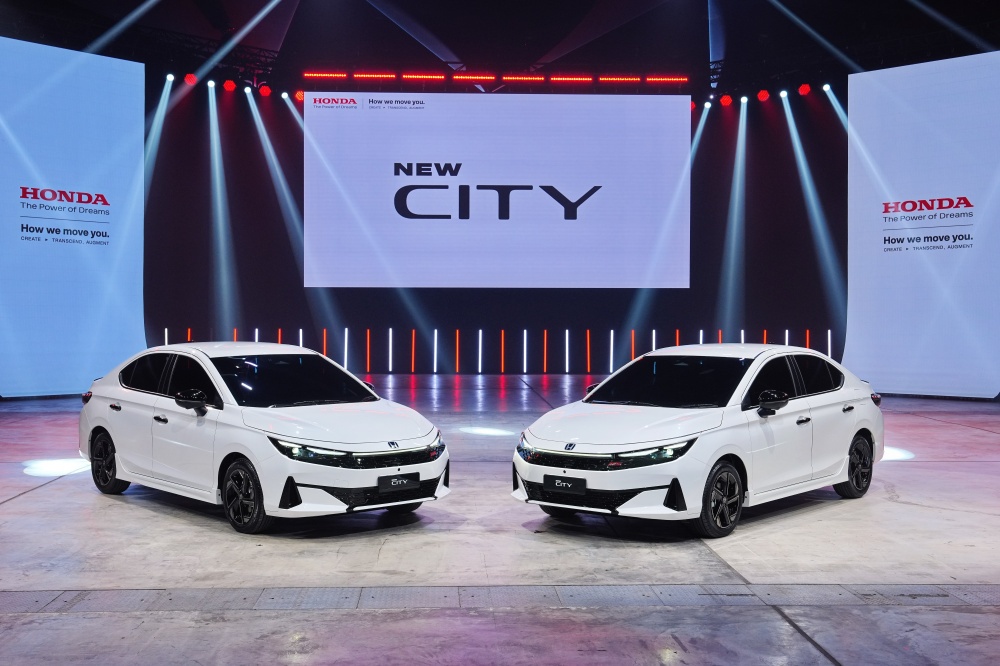
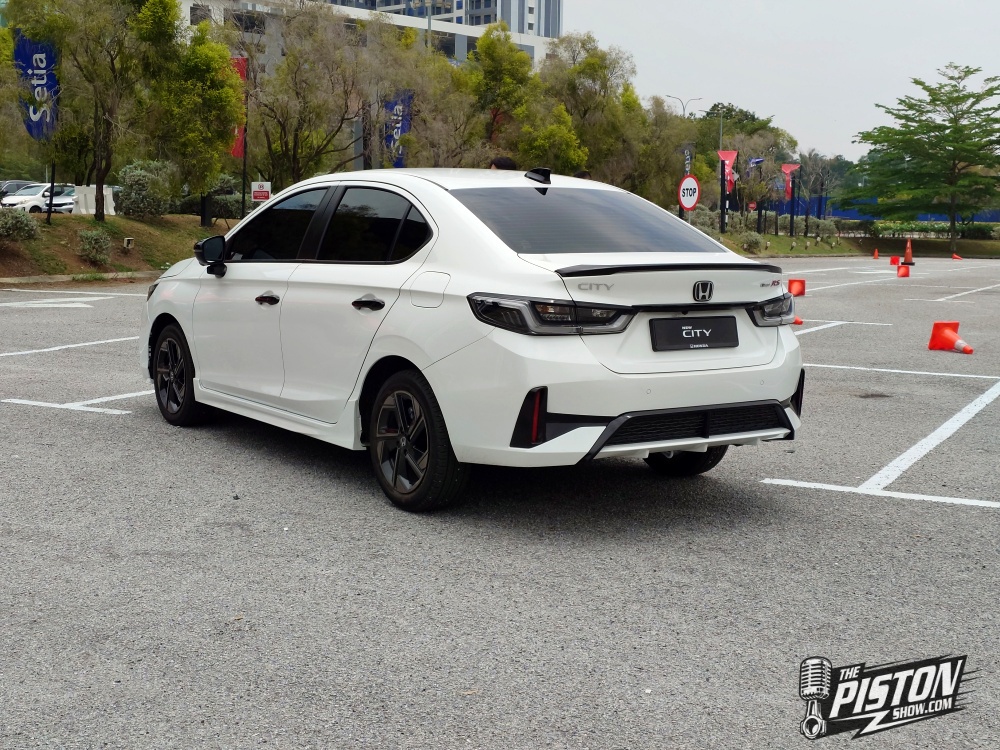
Move up another RM5,000 and you arrive at the RM99,900 Petrol RS. Mechanically, there is no additional horsepower waiting for you despite the badges and more aggressive appearance, but there is considerably more visual drama.
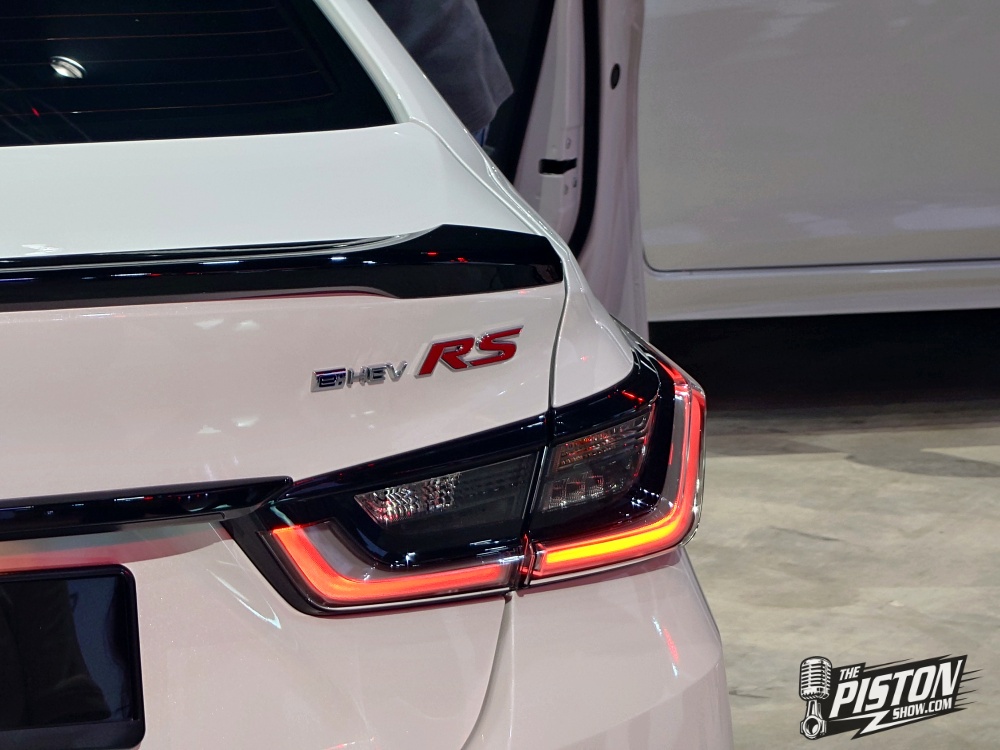
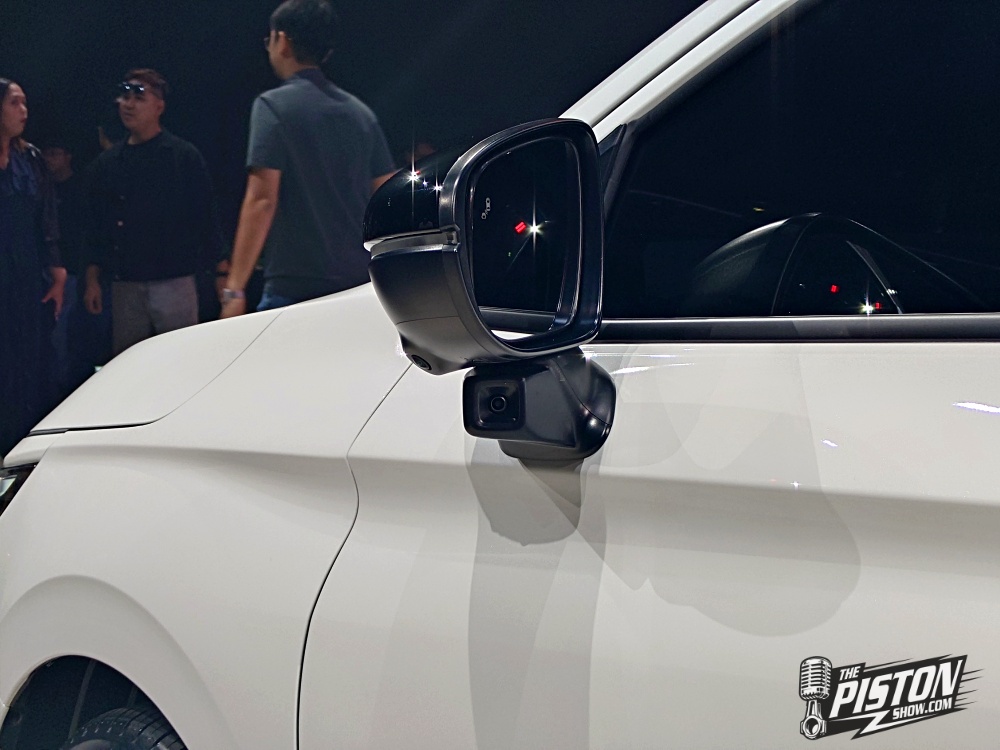
The RS gets its own bumpers, a full-width front light bar, black exterior details, different 16-inch wheels, a bootlid spoiler and a sportier cabin treatment with red ambient lighting. More useful additions include the new 360-degree Multi-View Camera with moving-object detection, automatic wipers, an auto-dimming rear-view mirror and Honda CONNECT telematics.
For RM5,000 over the V, you are essentially deciding whether the RS appearance and those extra convenience features are worth it. Considering that the Petrol RS still sneaks underneath RM100,000, the jump is not particularly difficult to understand if the styling appeals to you.
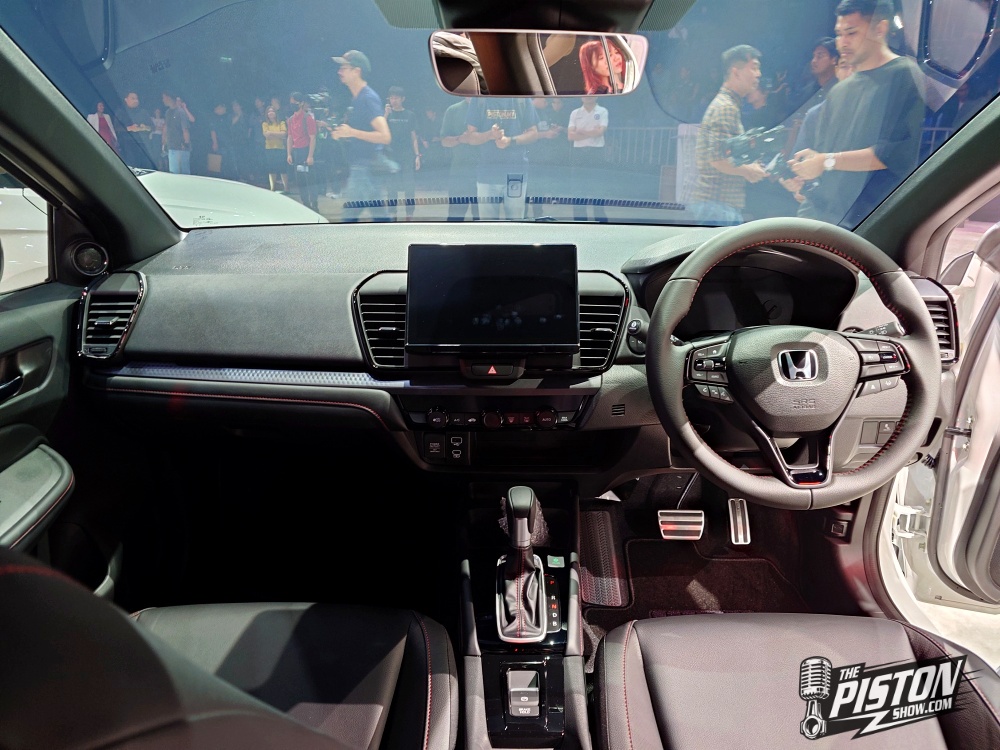
Then there is the RM 111,900 e:HEV RS. The RM 12,000 jump from Petrol RS to e:HEV RS changes much more than just the badge on the boot. Instead of the regular petrol drivetrain, you get Honda’s hybrid system with 253 Nm from its traction motor, plus an electric parking brake with Auto Brake Hold, wireless phone charging, deceleration selector paddles and Low Speed Follow for the adaptive cruise control.
The hybrid system is also covered by a 10-year unlimited-mileage warranty on its hybrid components, on top of the City’s new eight-year unlimited-mileage vehicle warranty.
The biggest reason to spend the extra money, however, is fuel consumption.
Honda quotes 5.6 litres/100 km for the petrol City and just 3.7 litres/100 km for the e:HEV RS. Put another way, the claimed figure works out to roughly 27 km from one litre of petrol.
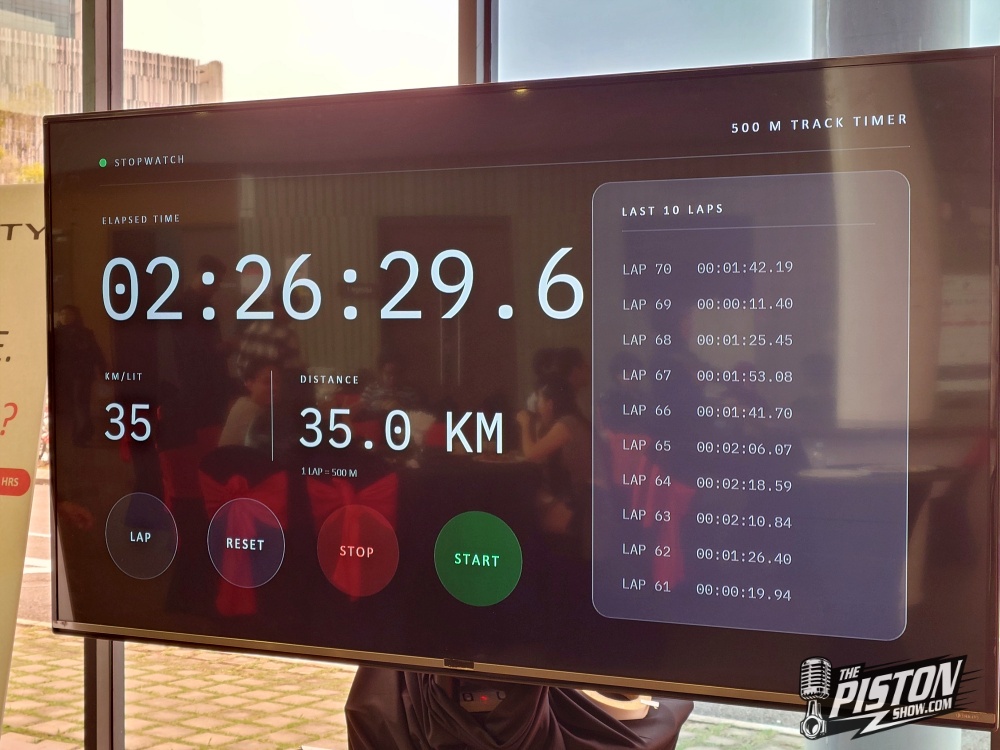
Honda decided to demonstrate that claim rather literally at the City’s Malaysian launch. The company put one litre of fuel into a City e:HEV RS and sent it around a 500-metre closed course designed to mimic urban conditions, complete with stop signs, junctions and sections running up to 60 km/h.
The target was to exceed 27 km before the litre ran out. It eventually completed 70 laps and covered 35 km, with the demonstration display showing 35 km/litre after around two and a half hours of running.
It is worth keeping the result in context. This was a controlled closed-course demonstration rather than a certified real-world fuel economy test, and Honda itself makes that distinction. Still, going considerably beyond the official 27.26 km/litre equivalent under a deliberately urban-style stop-start cycle gives the e:HEV’s efficiency claim a little more substance than a number printed on a brochure.
The way Honda’s hybrid system works also explains why city driving plays to its strengths. At low and moderate speeds, the electric motor does much of the driving while the petrol engine can operate as a generator. Energy recovered while slowing down is returned to the battery, meaning the constant accelerating and braking that hurts a conventional petrol car’s efficiency can actually give the hybrid more opportunities to recover energy.
Whether the e:HEV RS is worth another RM 12,000 over the Petrol RS therefore depends heavily on how you use the car. Someone doing large annual mileage, particularly in urban traffic, has more opportunity to benefit from the lower fuel consumption. Buyers doing relatively little mileage may simply prefer to pocket the difference and take the Petrol RS.
Whichever powertrain you choose, the facelift has also closed some of the equipment gaps lower down the range. Bi-LED headlights and Honda SENSING are standard, and every variant now gets Blind Spot Information, Cross Traffic Monitoring and LaneWatch. The two RS variants add the 360-degree camera, while the V upwards receives the larger 10-inch infotainment display with wireless smartphone connectivity.
Honda has also retained the City’s practical side. Petrol variants offer a sizeable 519-litre boot, although the hybrid hardware reduces that to 410 litres in the e:HEV RS. One notable change is that petrol variants no longer come with a spare tyre either, with a tyre repair kit supplied instead.
For those who look at the standard car and immediately start thinking it needs a little more, Honda is offering Modulo packages too. Both add front and rear under spoilers together with black Honda emblems, with slightly different front treatments for the regular and RS body styles. The Modulo Package for the E and V is priced at RM 3,030, while the Modulo RS Package for the Petrol RS and e:HEV RS is RM 3,010.
Ultimately, there is no obviously wrong City in the line-up. The E already covers the important basics, particularly safety. The V spends its RM 5,000 premium on equipment you interact with every day, while the Petrol RS adds considerably more visual character and a few useful convenience features while remaining below RM 100k.
The e:HEV RS asks for considerably more, but it is also the only variant that fundamentally changes how the City drives and consumes fuel. If efficiency matters and much of your life is spent in urban traffic, there is a strong argument for it. Honda’s one-litre demonstration may have been conducted under controlled conditions, but 35 km from a litre is still a rather effective way of making the point.
Four variants, two powertrains and a RM 22,000 spread from bottom to top. The decision mostly comes down to how much equipment you want, how much you care about the RS appearance, and just how much time you spend watching the fuel gauge move.