Anonymous online posts hinting that politicians in Hsinchu County joined sex parties, which the ruling party's local candidate says are built on AI deepfakes, have reached President Lai Ching-te. Lai has told party headquarters to step in, worried that the furor could spill into the Taipei mayoral race, the marquee contest of the 2026 Taiwan local elections on November 28.
Hsinchu County, which includes the fast-growing tech hub of Zhubei, has long been a stronghold of the opposition Kuomintang (KMT). This year Lai's Democratic Progressive Party (DPP) is fielding Zhubei Mayor Cheng Chao-fang against KMT Legislator Hsu Hsin-ying for the county's top job, Focus Taiwan reported, and polls have shown Cheng competitive in a county where the KMT has long held the magistrate's office.
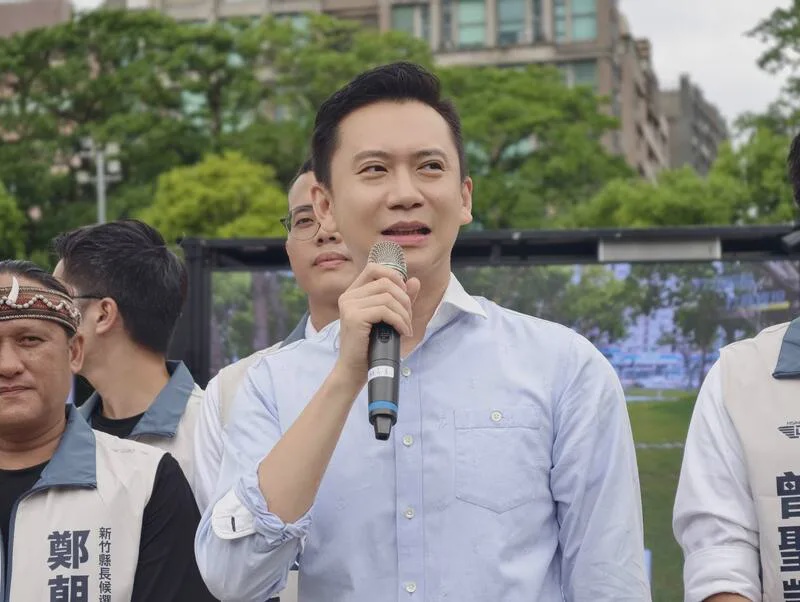
Zhubei Candidate Calls Sex Videos 100% Deepfakes
The posts began circulating in early November. An anonymous post on Dcard, a popular Taiwanese online forum, hinted at the private life of a well-known TV news anchor and of Hsinchu political and business figures, describing "multi-person parties," and suspected sexual images spread through social media and chat groups. The claims are unverified, and the poster has not been identified.
The most direct target was Tseng Sheng-kai, a National Yang Ming Chiao Tung University assistant professor whom Cheng personally recruited as the DPP's candidate to succeed him as Zhubei mayor. On November 7, Tseng said in a statement that the images "are 100% fake" and "all deepfake images," and that he had filed a police report, Next Apple News reported. He warned that anyone who made, posted or forwarded them would face legal action. "I will sue to the end, even if I have to take out a loan," he said.
"How did Taiwan's election culture end up like this?" a local DPP figure asked. He said the images appeared to have been spread from IP addresses in mainland China and altered with AI, adding: "The wise will not believe it." The party will fully back Tseng in defending his name, he said.
So far, he said, the damage to Tseng's campaign looks limited, but the stakes go beyond winning or losing. "Whether the impact is big or not, a good name cannot be stained in the slightest," he said.
Cheng has been targeted as well. According to the same DPP figure, some people have made insinuations about Cheng's sexual orientation, and one elected representative repeated them in public under the cover of parliamentary immunity. Sexual orientation should never be grounds for attacking anyone's character, he said. "Ordinary people will not support this kind of talk, and they will deeply dislike this kind of behavior."
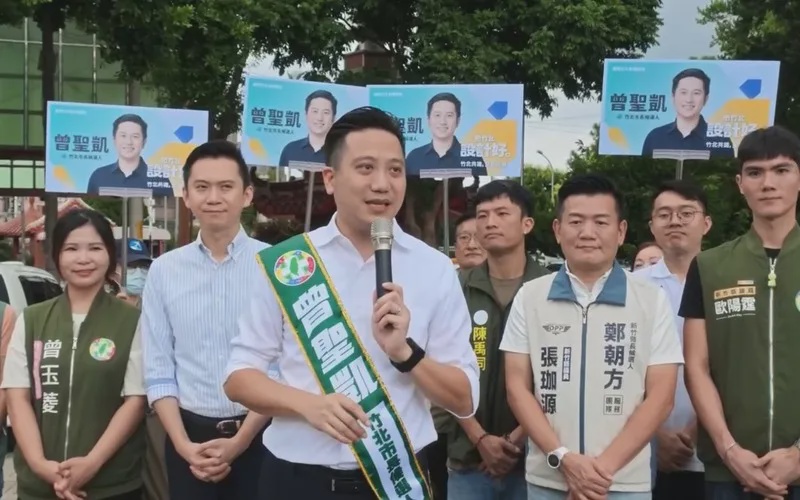
Lai Orders Party Headquarters To Back Hsinchu Camp
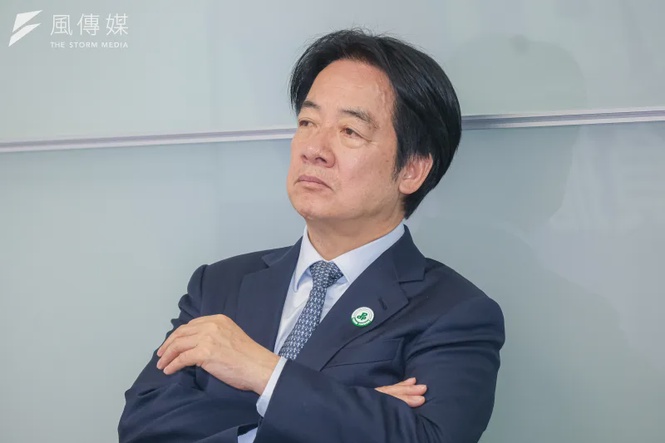
Local DPP figures in Hsinchu read the fallout as contained. Party headquarters in Taipei is less sure. DPP Secretary-General Hsu Kuo-yung recently briefed Lai, who also chairs the party, on the run of online smears in Hsinchu, Storm Media has learned. Lai told headquarters to contact Cheng's campaign, find out whether it needed help, and made clear he feared the episode could keep spreading and drag on the Taipei mayoral race.
A Hsinchu DPP figure confirmed that headquarters has reached out to both Tseng and Cheng and promised that the central and county party offices will provide whatever resources they need to defend their reputations. For now, he said, Tseng prefers to let the police report and the courts speak for him, and has urged those involved to show restraint and stop breaking the law.
The worry in Taipei reflects how much Lai has riding on the capital. DPP Legislator Puma Shen is challenging KMT Mayor Chiang Wan-an, and the DPP has not won Taipei since 1994. A scandal involving party candidates anywhere, insiders fear, gives opponents ammunition in a race that may come down to a few points.

Cheng Runs On His Record, Not His Party
Lai has crisscrossed Taiwan campaigning for DPP candidates, but he has not set foot in Hsinchu County to stump for Cheng since the party nominated him on June 10. Local DPP figures say that is by design. Cheng's race is relatively stable, they say, his strategy rests on his record in Zhubei, and Lai, as president, has state business to attend to, so his campaign stops naturally go to closer races.
Another local DPP figure was blunter. Because Hsinchu County leans KMT, a traditional blue versus green contest would favor the opposition, he said. Cheng's team has therefore played down party colors and built its campaign around his Zhubei record and his plans for the county.
Polls Put Cheng Ahead In A KMT Stronghold
The approach has shown up in the numbers. In a telephone poll by ERA Survey Research Center taken September 16 to 18, Cheng led Hsu 35.1% to 28.7%, with an independent candidate at 2.8% and 29.2% undecided, NOWnews reported. That reversed ERA's June survey, which had Hsu ahead 32.3% to 30.5%. Asked who would win, 39.9% named Cheng and 22.4% named Hsu. In Zhubei, the county's largest pool of votes, Cheng led 46.4% to 24.2%. The September poll surveyed 1,069 adults with a margin of error of plus or minus 3 percentage points.
Cheng's campaign has since released an online survey it commissioned showing him above 50% and 15.43 points ahead in October, Newtalk reported. Hsu has questioned those figures, and because the survey was paid for by Cheng's camp and conducted online, it is not directly comparable with independent telephone polls.
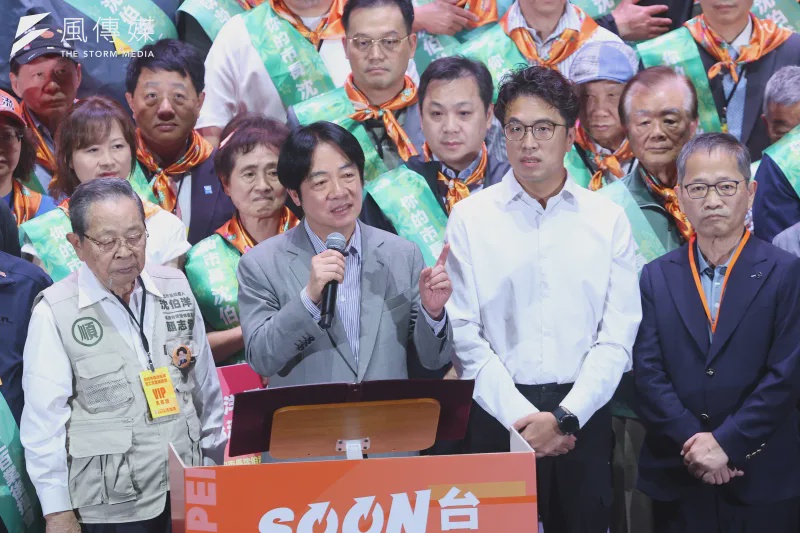
Undecided Taipei Voters Keep The Ruling Party On Edge
In Taipei, Lai is taking nothing for granted. A share of voters still have not made up their minds, and the DPP is wary of overconfidence. A DPP campaign aide said the party naturally hopes Taipei will change hands, but the share of voters willing to state a preference remains low and the race is full of variables. Shen has turned out about as many DPP voters as he can, the aide said, and the result now depends on whether centrist voters help him overcome the KMT's built-in advantage in the city.
Recent polls show why the party is cautious. A United Daily News poll conducted October 20 to 22 and October 25 put Shen at 45% and Chiang at 41%, a gap within the margin of error, while 48% of respondents expected Chiang to win against 35% for Shen, World Journal, a UDN Group paper, reported. A Hsin-Min Association poll taken October 14 to 16 had shown Shen 17 points ahead, and an AI-generated voter simulation released this month put Chiang 2.8 points in front.
On November 12, the DPP held an expanded campaign meeting for Taipei chaired by Presidential Office Secretary-General Pan Men-an, attended by Hsu Kuo-yung and all of the party's Taipei City Council candidates. Afterward, DPP Legislator Wu Szu-yao, who runs Shen's campaign, acknowledged that Chiang enjoys the organization and resources of an incumbent mayor. The DPP must hold its grassroots support, she said, and guard against smears, rumors and Chinese election interference in the campaign's final stretch, a threat Taiwan's security officials say now includes AI-driven targeting of voters.
DPP Legislator Wang Shih-chien put it more directly. The "Yang Wave," the nickname for Shen's surge taken from the last character of his Chinese given name, has arrived, he said, but every set of data still shows a sizable share of voters undecided. That leaves the party only cautiously optimistic, he said, and it cannot afford to make a single mistake.
2026 Taiwan Local Elections: Full Coverage
From the Taipei mayoral race between Chiang Wan-an and Puma Shen to New Taipei, Taichung and beyond, Storm Media tracks every report on the races and the polls and updates the page regularly.
► See all our 2026 Taiwan local elections coverage
You've read it. Now join the conversation — follow us on X, Facebook and IG. Editor: Penny Wang