Once the garden stops producing new leaves and flowers, putting away the watering can feels like the natural next step. But some plants can suffer serious damage when gardeners assume that cold weather means they no longer need moisture. Roots may remain active during parts of the dormant season, and evergreen foliage can continue losing water even when visible growth has stopped. The result can be brown leaves, damaged roots, or plants that fail to recover when spring arrives. These five types of plants deserve special attention before winter settles in.
1. Evergreen Shrubs Can Dry Out in Winter
Evergreen shrubs such as boxwood, arborvitae, and holly retain foliage throughout the colder months. That foliage can continue losing moisture through transpiration, especially during sunny or windy weather. The University of Minnesota Extension identifies winter drying as a major cause of evergreen injury. Watering thoroughly before the ground freezes can help reduce the risk when autumn rainfall has been insufficient. However, constantly saturated soil can damage roots, so moisture levels should guide watering decisions.
2. Newly Planted Trees Still Need Root Moisture
A young tree may appear dormant after losing its leaves, but its root system still needs adequate moisture. Recently planted trees are particularly vulnerable because their roots haven’t fully established beyond the original planting area. Careful watering is recommended during establishment and attention to soil moisture before freezing conditions arrive. A slow, deep watering is generally more useful than repeatedly wetting the soil surface. Once the ground freezes, however, adding water won’t help roots absorb moisture.
3. Rhododendrons Can Lose Moisture Through Their Leaves
Rhododendrons and other broadleaf evergreens may look inactive during winter, but their leaves remain exposed to sun and wind. Those conditions can cause moisture loss while cold soil limits the roots’ ability to replace water. There are some risks of winter desiccation in evergreen plants. Adequate fall watering and protection from harsh winter winds can help reduce injury. Avoid watering automatically when the soil is already wet or frozen.
4. Container Perennials Can Dry Out Faster
Plants growing in containers face different conditions from those rooted directly in garden soil. Their limited soil volume can dry out during extended periods without precipitation, particularly when pots sit under roof overhangs or other sheltered locations. Containers also experience greater temperature fluctuations that can stress roots. Check the potting mix during mild weather and water lightly when it has become dry, and temperatures permit drainage. Never allow pots to remain waterlogged, because cold, saturated conditions can contribute to root problems.
5. Winter-Growing Vegetables Still Need Moisture
Some cool-season vegetables continue growing slowly during mild winter conditions. Spinach, kale, and certain hardy greens may need supplemental water when rainfall is insufficient, and the soil remains unfrozen. Plants growing beneath row covers or inside protected structures may receive less natural precipitation than uncovered garden beds. The University of Maryland Extension provides general vegetable-growing guidance emphasizing adequate soil moisture. Water according to actual soil conditions rather than following a summer watering schedule through winter.
How to Tell Whether Watering Is Necessary
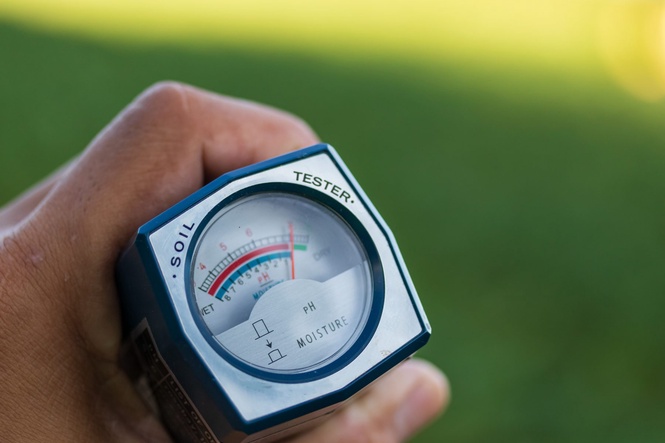
The appearance of a dormant plant doesn’t reliably reveal the moisture level around its roots. Check the soil several inches below the surface where practical, particularly around recently planted shrubs and trees. Dry soil may crumble easily, while overly saturated soil can feel sticky or remain waterlogged. Rainfall, soil type, drainage, and temperature all affect how quickly moisture disappears. Water only when conditions indicate a need and the ground can absorb it.
Timing Matters When Temperatures Drop
Watering immediately before a hard freeze isn’t always the best approach, particularly for plants in poorly drained containers. During mild weather, water early enough for moisture to soak into the root zone before temperatures fall sharply. Avoid creating standing water around crowns or roots. Once soil is frozen, roots cannot effectively absorb additional moisture, making late watering ineffective. The goal is to enter winter with adequate soil moisture rather than attempting to compensate after the ground becomes solid.
Too Much Water Can Be Just as Harmful
Gardeners sometimes respond to winter concerns by watering everything heavily. Unfortunately, excessive moisture can deprive roots of oxygen and encourage certain root diseases. Plants in clay soils or containers without adequate drainage are especially vulnerable. The correct amount depends on the plant, weather, and existing soil moisture. A careful check is more useful than assuming every dormant plant needs the same treatment.
Replacing winter-damaged shrubs and young trees can become expensive, particularly when several plants fail at once. Monitoring moisture during dry autumn weather requires relatively little effort compared with buying and installing replacements. However, watering alone cannot prevent damage caused by extreme cold, unsuitable plant selection, or poor drainage. Combining appropriate moisture management with mulch and wind protection offers a more complete strategy.
Do you continue checking your garden’s soil moisture through winter, or do you stop watering once the plants appear dormant?
The post 5 Plants That May Need Water Even After They Stop Growing appeared first on Frugal Gardening.