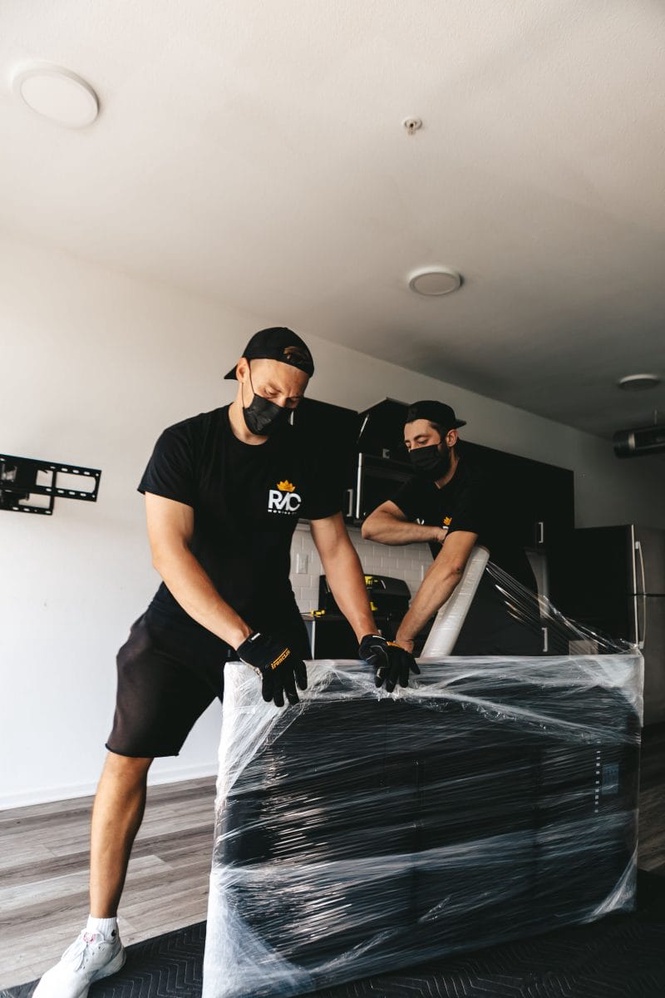
Moving into a new home is expensive enough without discovering that your television is cracked, your furniture is scratched, or your grandmother’s antique mirror didn’t survive the trip. Unfortunately, many people underestimate how much damage can happen inside a moving truck, even when the drive is relatively short.
Between sudden stops, sharp turns, road vibrations, and shifting boxes, your belongings can take a beating before they ever reach your new address.
And replacing damaged items can quickly turn an already expensive move into a financial headache.
While cardboard boxes and packing tape work for everyday belongings, certain possessions require additional attention. Knowing what to protect when moving can help you avoid costly repairs, insurance disputes, and the frustration of losing something irreplaceable.
Here are five categories of belongings that deserve extra protection before they go anywhere near a moving truck.
1. Flat-Screen Televisions and Expensive Electronics
Modern televisions are surprisingly fragile, especially when pressure is applied to their thin screens during transportation. A large television placed between furniture or stacked beneath boxes can develop cracks or internal damage even if the outside looks perfectly fine. The safest approach is to use the original manufacturer’s packaging when available or purchase a specialized television moving box with protective foam inserts. Remove cables, photograph connections before disconnecting them, and keep smaller accessories in clearly labeled bags so nothing gets lost during unpacking. If you’re deciding what to protect when moving, electronics deserve priority because replacing a damaged television, computer monitor, or gaming system can easily cost hundreds of dollars.
2. Antique Furniture and Valuable Wooden Pieces
That solid wood dining table might seem sturdy enough to survive anything, but moving trucks can expose furniture to scratches, dents, moisture, and broken joints. Antique pieces are particularly vulnerable because older finishes, delicate carvings, and weakened connections may not tolerate rough handling. Before loading valuable furniture, remove detachable legs or shelves when the manufacturer or construction allows, then wrap surfaces with clean moving blankets and secure them without placing adhesive tape directly against the finish. Avoid wrapping wood tightly in plastic for extended periods, especially in humid conditions, because trapped moisture can damage certain finishes. For particularly valuable antiques, consider professional packing or specialized transportation rather than treating them like ordinary household furniture.
3. Mirrors, Framed Artwork, and Glass Decorations
Large mirrors and framed artwork are among the easiest household items to damage during a move because even minor pressure can crack glass or bend frames. Simply wrapping these pieces in an old bedsheet rarely provides enough protection against shifting boxes and sudden movements. Use appropriately sized mirror boxes or picture cartons, add corner protectors, and place cushioning around the frame to prevent direct contact with harder surfaces. When loading the truck, keep properly packed mirrors and framed artwork upright and securely supported rather than laying them flat beneath other belongings. Understanding what to protect when moving is especially important for sentimental artwork because some pieces cannot be replaced regardless of how much insurance coverage you purchase.
4. Mattresses and Upholstered Furniture
A mattress may not look fragile, but transporting it without protection can expose it to dirt, moisture, tears, and unwanted pests. Upholstered sofas and chairs face similar risks, particularly when they’re loaded beside dirty equipment, sharp furniture edges, or poorly secured boxes. Heavy-duty mattress bags and appropriate furniture covers create a barrier against surface contamination and minor abrasions during loading and transportation. Be sure mattresses and upholstered furniture are completely dry before wrapping them, since sealing moisture inside protective coverings can encourage mildew. Spending a relatively small amount on protective materials can be worthwhile when compared with replacing a mattress or sofa that costs $1,000 or more.
5. Appliances With Delicate Internal Components
Refrigerators, washing machines, dryers, and other major appliances require more preparation than simply unplugging them and placing them on a dolly. Washing machines may need shipping bolts or other manufacturer-approved restraints to prevent the drum from moving excessively during transportation. Refrigerators should be emptied, cleaned, dried, and transported according to manufacturer instructions, including guidance about positioning and how long to wait before restarting them. Use appliance dollies, moving straps, and protective padding to reduce the risk of damage to both the equipment and surrounding property. When determining what to protect when moving, remember that repairing a damaged appliance can be expensive, and improper handling may create safety problems after installation.
Your Moving Company’s Insurance May Not Cover Everything
One of the biggest moving mistakes is assuming that a professional moving company will automatically reimburse you for the full replacement value of damaged belongings. For interstate moves, the Federal Motor Carrier Safety Administration explains that movers generally offer different levels of liability protection, including Full Value Protection and Released Value Protection. Under Released Value Protection, a mover’s liability can be limited to just 60 cents per pound per article, meaning a 20-pound television could result in only $12 of compensation under that option. Full Value Protection provides broader protection, but it still comes with terms, exclusions, and possible deductibles that consumers should review carefully. Before moving day, ask for written details about liability coverage and whether particularly valuable belongings require additional documentation.
A Little Preparation Can Prevent Expensive Moving Mistakes
Protecting your belongings doesn’t necessarily require spending hundreds of dollars on specialized moving supplies. Local community groups, friends, and neighborhood marketplaces may have reusable moving boxes, blankets, and packing materials available at little or no cost. However, it’s worth investing in proper protection for expensive electronics, fragile artwork, and furniture that would be difficult to repair or replace. Photograph valuable items before packing, keep an inventory of their condition, and clearly label boxes containing fragile possessions. These simple precautions can help you document damage if something goes wrong and make the unpacking process considerably less stressful.
Some Belongings Shouldn’t Go in the Truck at All
Not everything valuable belongs in the back of a moving truck, regardless of how carefully it’s packed. Important documents, prescription medications, jewelry, cash, passports, and other small valuables are generally better transported personally whenever possible. The FMCSA also encourages consumers to understand their mover’s responsibilities and review the paperwork before signing a moving agreement. Keeping essential items with you reduces the risk of losing access to something important if the truck is delayed, damaged, or temporarily unavailable. A separate essentials bag can also prevent unnecessary purchases when you arrive at your new home before the moving truck does.
Protect Your Belongings Before They Become Replacement Expenses
Moving is already one of life’s more expensive transitions, and preventable damage can make the final bill considerably higher. Knowing what to protect when moving allows you to prioritize the possessions that are most vulnerable or costly to replace. A few moving blankets, specialized boxes, and carefully secured appliances can make a meaningful difference during transportation. Just as importantly, understanding your moving company’s liability coverage can prevent unpleasant surprises if something arrives damaged. Taking extra time to pack properly may be one of the simplest ways to protect both your belongings and your moving budget.
Have you ever had something valuable damaged during a move? What happened, and did the moving company cover the cost? Share your experiences and best packing advice in the comments!