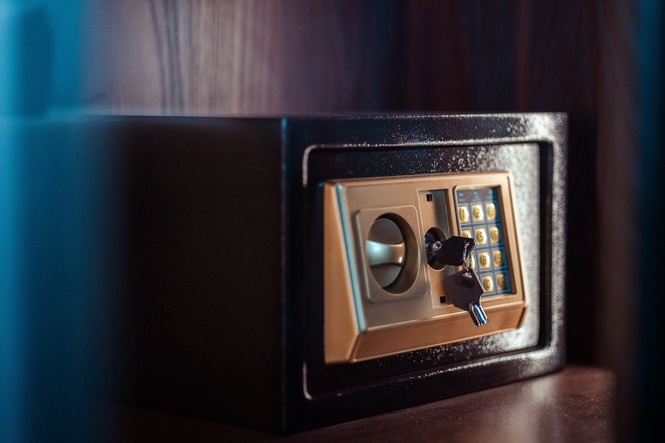
Imagine moving into your new home, pulling back an old piece of furniture, and discovering a locked safe built into the wall. The previous owners never mentioned it, there’s no combination, and you have absolutely no idea what’s inside.
Could it contain old documents, family jewelry, or even a forgotten stash of cash?
It’s the kind of discovery that makes homeowners immediately curious, but before calling a locksmith or grabbing a power drill, there’s an important question to consider: Can you legally open an abandoned safe in a house you just purchased?
The answer isn’t always straightforward.
While buying a home generally transfers ownership of the property and many of its permanent fixtures, the contents of a forgotten safe can raise separate legal questions. Understanding your rights before opening an abandoned safe could help you avoid expensive repairs, ownership disputes, and unexpected legal trouble.
Does Buying the House Mean You Own the Safe?
When you purchase a home, the transaction generally includes the real estate and fixtures that are permanently attached to it, unless the purchase agreement provides otherwise. A wall safe that’s built into the structure may qualify as a fixture, while a portable safe sitting in a closet could be treated as personal property. That distinction matters because personal belongings left behind by a seller don’t automatically become yours under every state’s laws or every purchase contract. For example, a seller might have agreed to remove a freestanding safe before closing, creating questions about whether it was intentionally abandoned or simply forgotten. Before opening an abandoned safe, review your purchase agreement and closing documents to determine whether the safe or other remaining personal property was specifically addressed.
What if the Previous Owner Left It Behind Accidentally?
Finding an abandoned safe doesn’t necessarily mean the previous homeowner intended to give away everything inside it. The seller may have forgotten the safe existed, lost the combination years earlier, or inherited the property without knowing what was hidden inside. If the home was purchased through an estate sale, foreclosure, or auction, ownership questions can become even more complicated. A practical first step is contacting your real estate agent or closing attorney to determine whether the seller can be reached and whether the contract addresses belongings left behind. Taking this precaution creates a record showing that you made a reasonable effort to clarify ownership before disturbing potentially valuable property.
Can You Legally Hire a Locksmith to Open It?
In many situations, a homeowner can hire a qualified locksmith to open a safe that they legally own or are authorized to access. However, possession of the house doesn’t necessarily settle ownership of a portable safe or the property stored inside it. A reputable locksmith may request identification, proof of ownership, or other documentation before attempting to open the safe. Professional safe technicians can sometimes use specialized methods that preserve the locking mechanism, although drilling or replacement parts may still be necessary. Before paying someone to open an abandoned safe, ask about the inspection fee, estimated opening cost, potential damage, and whether the technician has experience with your particular safe.
What Happens if You Find Cash, Jewelry, or Valuables?
Discovering valuable property inside a safe can create a completely different set of legal questions from opening the safe itself. State laws concerning lost, mislaid, abandoned, and unclaimed property may affect who has the strongest ownership claim. A collection of old coins, for example, might belong to a former homeowner or an estate rather than automatically becoming the property of whoever discovers it. If you find cash, jewelry, or other valuable possessions, photograph the discovery, preserve any identifying information, and consult a local attorney before spending, selling, or distributing anything. The financial temptation may be substantial, but a few hundred dollars in legal advice could be far less expensive than defending an ownership dispute.
What if the Safe Contains Important Documents?
Not every valuable discovery involves money, precious metals, or jewelry. Some homeowners may discover birth certificates, military records, property deeds, insurance paperwork, or documents belonging to someone who died decades earlier. These records can contain sensitive personal information and may have legal or sentimental importance to surviving family members. Rather than posting photographs online or throwing the papers away, keep them secure while determining whether they should be returned to a previous owner, an estate representative, or another authorized person. When opening an abandoned safe, remember that information can be valuable even when the documents themselves have little resale value.
Could Opening an Old Safe Damage Your House?
The cost of opening a safe can extend beyond the locksmith’s bill, especially when the safe is built into a wall or floor. Older installations may be surrounded by finished woodwork, masonry, electrical wiring, or other materials that make removal complicated. Attempting to pry open a safe yourself could damage flooring, drywall, or structural components, potentially turning a small discovery into an expensive home repair. Never use a torch, grinder, or other destructive method on an unknown safe, since older containers may hold hazardous materials or contents that could be damaged by heat. If the safe appears unusual, heavily corroded, or potentially dangerous, have an experienced professional evaluate it before proceeding.
Don’t Assume Your Homeowners Insurance Covers the Discovery
Another potential surprise involves homeowners insurance, which may not cover the costs associated with opening or repairing an abandoned safe. Standard policies generally protect against specified covered losses rather than paying for every maintenance issue or unexpected discovery inside a home. The National Association of Insurance Commissioners encourages homeowners to understand their policy limits, deductibles, and exclusions before assuming a particular loss will be covered. If opening the safe requires removing flooring or cutting into a wall, ask your insurer whether any resulting damage would qualify for coverage before authorizing work. Paying for a professional evaluation upfront may be a smarter financial decision than assuming your insurance company will reimburse you afterward.
A Hidden Safe Could Be a Treasure — or an Expensive Surprise
Finding an abandoned safe in your new home can be exciting, but curiosity shouldn’t override common sense or legal precautions. Before opening an abandoned safe, determine whether it belongs to you, review your purchase documents, and consider whether the previous owner might still have a legitimate claim. If you decide to proceed, hiring a qualified safe technician is generally safer than attempting to force it open yourself. Should you discover valuable belongings, document everything and clarify ownership before assuming you’ve received an unexpected windfall. A little patience could protect you from legal complications while preserving whatever mystery your new home has been hiding.
Have you ever discovered a hidden safe, locked box, or forgotten valuables in a house you purchased? Would you open it immediately or try contacting the previous owner first? Share your thoughts in the comments!