
Everyone’s hit that mid-afternoon slump before, feeling the energy zapped right out of them after lunch and just a couple of hours before the end of the workday.
Nearly three in four Americans now report feeling fatigue on at least some days in the past three months, according to federal data.
But there are several quick ways to get energy back throughout the day, experts say.
Giving yourself a boost can be as easy as remembering to get up from your desk frequently, opting for a healthier meal and making sure to breathe.
“There are ways to improve our energy without consuming large amounts of caffeine and sugar,” Dr. Angel Ochoa, a family medicine physician at Scripps Coastal Medical Center Oceanside, said in a statement. “Just a few simple lifestyle changes can help increase energy and prevent fatigue.”
Eat up
Getting the most out of your daily diet can make a big difference for your energy levels, Danna Raphael, a registered dietitian at the Hospital for Special Surgery in New York, told The Washington Post.
“Your body needs energy to function, and keeping up with those demands is important. Caffeine can be helpful. But you need proper nutrition to help carry you through the day and to give your body something to run on,” she explained.
That means relying on naturally-energizing food sources, such as melon and cucumbers, which can hydrate the body.
Snacking on protein-rich foods, including edamame and almonds, can prevent any blood sugar spikes that lead to energy crashes.
Walk around and about
Shocker: exercise is good for you and your energy level. But that exercise doesn’t have to be a marathon. Even just a 10-minute walk has been shown to raise energy levels.
Walking boosts oxygen circulation throughout the body and releases feel-good hormones.
“Just getting up and moving ... activates your whole system so you feel more energy, whether it’s [getting up] from your chair at work or the couch or the bed,” Jamie Shapiro, a professor and co-director of the Sport & Performance Psychology program at the University of Denver, explained to The Huffington Post.
Raise a glass - of water
Staying hydrated also helps keep you energized.
The body is around 60 percent water and needs more to replace water lost through bodily fluids. Even mild dehydration can make you feel sluggish and affect your ability to think clearly, according to the Mayo Clinic.
Unfortunately, there is no one-size-fits-all approach to hydration. That’s because people with different bodies need different amounts of water.
People with more muscle mass have more water in their bodies and need to drink more to maintain their fluid balance, Dr. Stavros Kavouras, a professor and director of the Arizona State University hydration science lab, told The New York Times.
Breathe in, breathe out
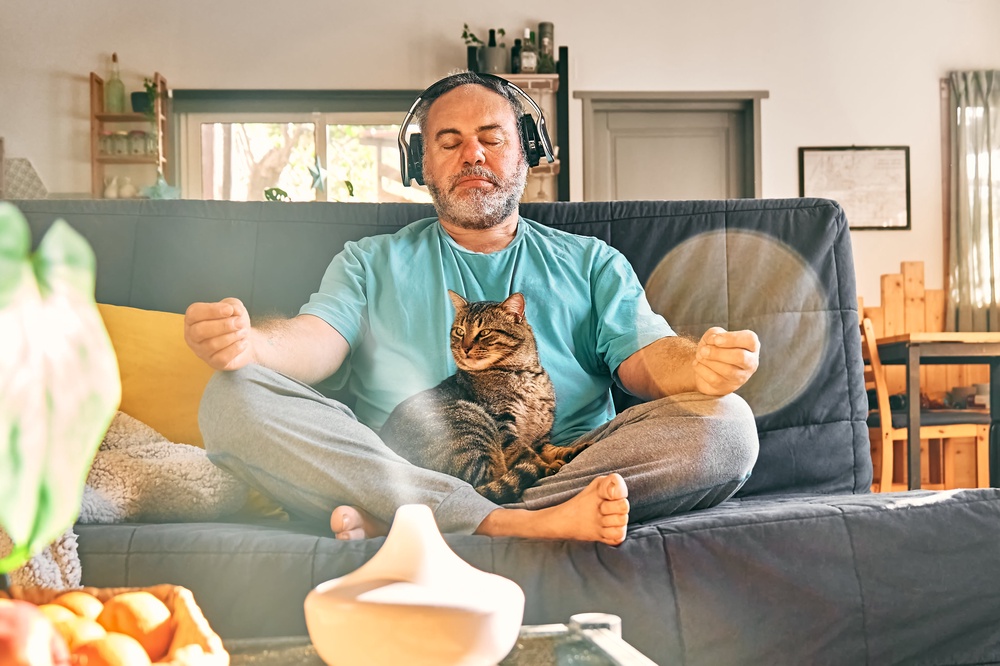
It’s likely no surprise that stress can sap your energy levels.
Over time, stress disrupts the body’s natural production of the stress hormone cortisol, which the body needs to mobilize energy, according to Houston Methodist.
To fight these effects, breathing can help. Deep breathing stimulates the vagus nerve, Yale Medicine says, which is the most influential nerve in the nervous system and helps to restore balance.
So does humming or singing, according to Dr. Erin Kinney, a naturopathic doctor in Maryland.
Nap - but also just sleep
A power nap of 20-30 minutes can improve energy and focus, according to Harvard Health.
But naps are no substitute for good sleep. Getting the federally-recommended seven to nine hours a night will give you the energy needed to tackle the next day.
“Set and keep specific bedtimes and wake-up times and stick to a consistent schedule as much as possible,” the American Heart Association explains.
Read MoreExperts say ‘lymphatic walking’ helps circulation, so I tried it. Here’s how it went
Expert reveals whether shakes can replace meals
We’re doctors. Here’s how to boost your immune system ahead of winter
Cardiovascular disease symptoms you should know as Davina McCall reveals diagnosis
Are you ever too old to run? Here’s what scientists have said
Why you feel the cold more as you age – and how to keep warm in winter