A few hours of fall garden cleanup can make your yard look ready for winter, but some common maintenance habits actually leave plants more vulnerable to cold weather. Cutting back the wrong shrub, piling mulch against tree trunks, or forgetting to water newly planted evergreens can create damage that doesn’t become obvious until spring. Even experienced gardeners sometimes make these mistakes because the effects are delayed. The good news is that preventing winter injury often costs less than replacing damaged plants. These seven mistakes deserve a second look before freezing temperatures arrive.
1. Pruning Shrubs Too Late in the Season
Late-season pruning can stimulate new growth on certain trees and shrubs. That tender growth may not have enough time to harden off before freezing weather arrives. The University of Minnesota Extension advises avoiding late pruning of susceptible evergreens because new foliage is particularly vulnerable. However, pruning recommendations vary by plant species, flowering habit, and local climate. Removing dangerous or broken branches may still be necessary, but routine shaping should follow plant-specific guidance.
2. Piling Mulch Against Tree Trunks
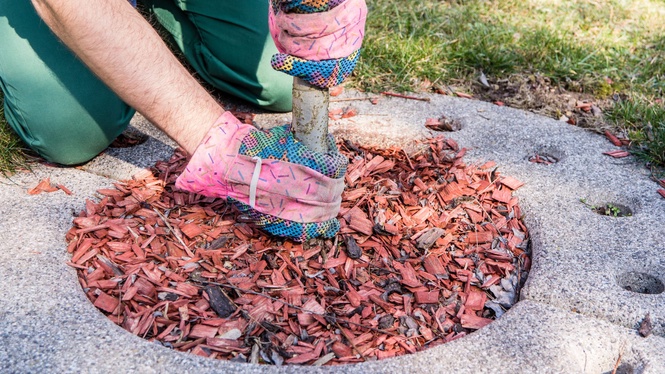
Mulch can help moderate soil temperatures and conserve moisture, but improper placement creates problems. A thick mound pressed against a tree trunk can trap moisture and encourage bark deterioration or pest activity. The University of Maryland Extension recommends keeping mulch away from direct contact with trunks and root crowns. Spread it across the surrounding root zone instead of creating a volcano-shaped pile. Proper placement provides many of the benefits without creating unnecessary risks.
3. Forgetting to Water Before the Ground Freezes
Gardeners often stop watering as soon as temperatures cool. Unfortunately, evergreens and recently planted trees may enter winter with insufficient soil moisture if autumn has been dry. Adequate fall watering is an important part of preventing winter injury. Roots cannot effectively replace lost moisture once the soil freezes, particularly when foliage remains exposed to drying winds. Water according to actual soil conditions before freeze-up rather than assuming seasonal rainfall has been sufficient.
4. Leaving Containers Exposed to Severe Cold
Plants growing in pots experience more extreme root-zone temperatures than many plants growing in the ground. A perennial that survives winter outdoors in a garden bed may suffer damage when its roots are exposed inside a small container. Moving containers to a sheltered location or insulating them may reduce some risks, depending on the species. However, bringing cold-hardy dormant plants into a warm living room isn’t always appropriate because their seasonal requirements differ.
5. Covering Plants With Plastic That Touches the Leaves
Gardeners sometimes drape plastic directly over plants when a freeze is forecast. Unfortunately, foliage touching the plastic can still experience cold injury, and poorly ventilated coverings can trap excessive heat during sunny weather. Frost cloth or other suitable protective materials generally work better when installed according to their intended use. Covers should be secured appropriately and removed or ventilated when temperatures rise. A makeshift cover can help in some conditions, but it isn’t guaranteed protection against severe or prolonged freezing.
6. Fertilizing to Encourage Late Growth
Applying high-nitrogen fertilizer late in the season can encourage tender new growth on some plants. That growth may be more vulnerable to cold injury than mature, hardened tissue. A lot of guidance advises against encouraging late growth through excessive fertilization. However, soil nutrient needs vary, and certain fall fertilization practices may be appropriate for specific plants or lawns. Base applications on soil testing, plant requirements, and local extension recommendations rather than assuming more fertilizer always improves winter survival.
7. Removing Every Leaf and Stem
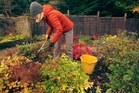
A perfectly bare garden may look tidy, but removing all organic material can eliminate useful winter habitat. Fallen leaves can help protect soil and provide shelter for beneficial insects when left in appropriate locations. Standing stems may also become nesting sites for certain native bees, particularly after openings develop. NC State Extension research explains how the age and condition of stems influence their value to nesting insects. Selective cleanup can preserve wildlife habitat while still removing diseased material and preventing drainage or safety problems.
Check Your Garden Before the First Hard Freeze
A short inspection can reveal vulnerabilities that are easier to address before temperatures drop. Look for dry soil around evergreens, unstable plant supports, exposed containers, and mulch piled against trunks. Review which shrubs should remain unpruned and which plants need protection from wind or wildlife. Check drainage around garden beds so winter precipitation doesn’t collect around vulnerable roots. Addressing these problems early can reduce the likelihood of expensive surprises in spring.
Not Every Brown Leaf Means a Dead Plant
Winter damage can be difficult to evaluate immediately. Some evergreens develop brown foliage while retaining living buds that produce new growth in spring. The University of Minnesota Extension advises waiting until spring before removing certain winter-damaged foliage. Pruning too early may remove tissue that could recover or make it harder to determine the true extent of injury. Patience can prevent unnecessary replacement purchases and additional plant stress.
A damaged perennial might cost only a few dollars to replace, but mature shrubs and young trees can be considerably more expensive. Replacing several plants also requires labor, soil amendments, and time for new growth to become established. Many winter gardening mistakes involve routine habits rather than unusual weather events. Learning when to water, prune, mulch, and protect plants can improve survival without requiring expensive equipment.
Which winter gardening mistake have you made, and what did it teach you about protecting plants?
The post 7 Gardening Mistakes That Can Make Winter Damage Worse appeared first on Frugal Gardening.