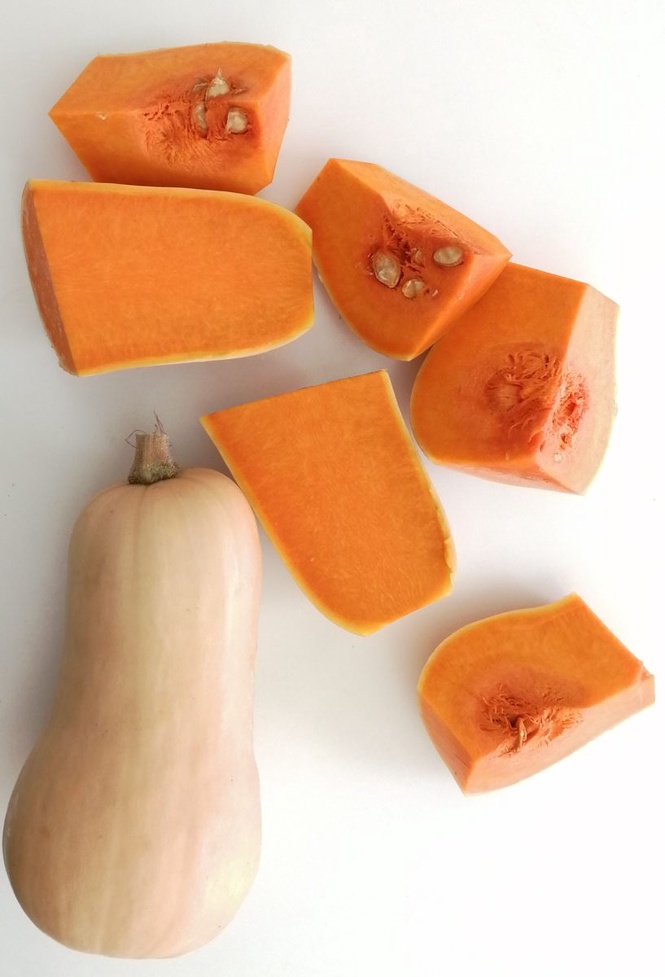
Buying groceries that are already peeled, sliced, cubed, or portioned can make cooking much easier. Instead of spending time cutting up a whole vegetable or trimming a large piece of meat, shoppers can bring home ingredients that are ready for the pan or oven. The trade-off is that some of these convenient options cost more.
The extra cost is not always obvious. A package of cubed squash or a tray of prepared chicken may look like a practical purchase, but shoppers are also paying for the labor, packaging, and handling involved in preparing it. Here are seven grocery products worth comparing with their whole or less-prepared alternatives before adding them to the cart.
1. Pre-Cut Butternut Squash
Butternut squash can be one of the more frustrating vegetables to prepare at home. Its thick skin, firm flesh, and awkward shape make peeling and cutting it a chore. Grocery stores often sell containers of peeled, cubed squash that can go straight into a roasting pan, soup, or casserole. That convenience can come with a higher price per pound than buying the whole squash.
However, shoppers should consider how much of a whole squash is actually usable. The skin, seeds, and interior fibers are removed before the prepared version reaches the shelf, so comparing package prices alone doesn’t tell the whole story. If the prepared squash costs considerably more, buying it whole may still be worth it for shoppers comfortable with the extra prep. For anyone who rarely cooks squash because cutting it is difficult, the prepared version may be worth the additional expense.
2. Spaghetti Squash Halves
Spaghetti squash is another vegetable that can be inconvenient to prepare. Its hard exterior can make it difficult to cut safely, and removing the seeds adds another step before cooking. Some grocery stores sell squash that has already been halved and cleaned out, allowing shoppers to season it and place it directly in the oven.
The extra preparation can raise the price compared with a whole squash. But this is a case where convenience may offer more than a few saved minutes. Shoppers who have difficulty cutting through hard vegetables may find the prepared version easier and safer to handle. Before choosing it, compare the price with a whole squash and consider whether the time and effort saved justify the difference.
3. Pre-Cut Melon and Mixed Fruit
Containers of watermelon, cantaloupe, honeydew, and mixed fruit are popular because they eliminate the work of washing, peeling, removing seeds, and cutting everything into bite-sized pieces. They are especially convenient for packed lunches, quick snacks, and gatherings. However, shoppers can pay a noticeable premium for fruit that has already been prepared.
Whole melons generally offer more control over how much fruit is purchased and how it is portioned. A whole watermelon, for example, can provide multiple servings, while a small container of cut watermelon may be gone after one or two snacks. Still, the edible yield matters because the rind and other discarded portions are included in the weight of the whole fruit. Compare the price, package size, and amount your household will actually eat before deciding which option offers better value.
4. Pre-Cut Beef Stew Meat
Packages labeled beef stew meat save shoppers from cutting a larger roast or other suitable beef cut into smaller pieces. The meat is already portioned for soups, stews, and slow-cooker recipes, making it an easy option when preparing dinner. But that preparation can be reflected in the price per pound.
Buying a whole roast or a larger cut and cutting it at home may cost less, depending on the sale and the cut being compared. Shoppers should also pay attention to the type of beef used for stew meat. Packages can contain different cuts, and not every cut will cook the same way. If the price difference is substantial, comparing a chuck roast with the prepared stew meat may reveal an opportunity to save while still getting the pieces needed for a recipe.
5. Pre-Cut Chicken Cutlets
Chicken cutlets are convenient because they are already sliced into thinner portions that cook relatively quickly. They are useful for recipes such as chicken Parmesan, sandwiches, and pan-fried chicken dinners. However, shoppers may pay more for chicken that has already been sliced and packaged into individual portions.
A package of regular chicken breasts can sometimes offer a better value. Shoppers can slice the breasts horizontally or gently pound them to create thinner pieces at home. The savings will depend on the store’s pricing and whether the regular chicken breasts are on sale. It is worth checking both packages rather than assuming the cutlets are priced similarly simply because they contain the same type of meat.
6. Pre-Cut Beef Kabob Meat
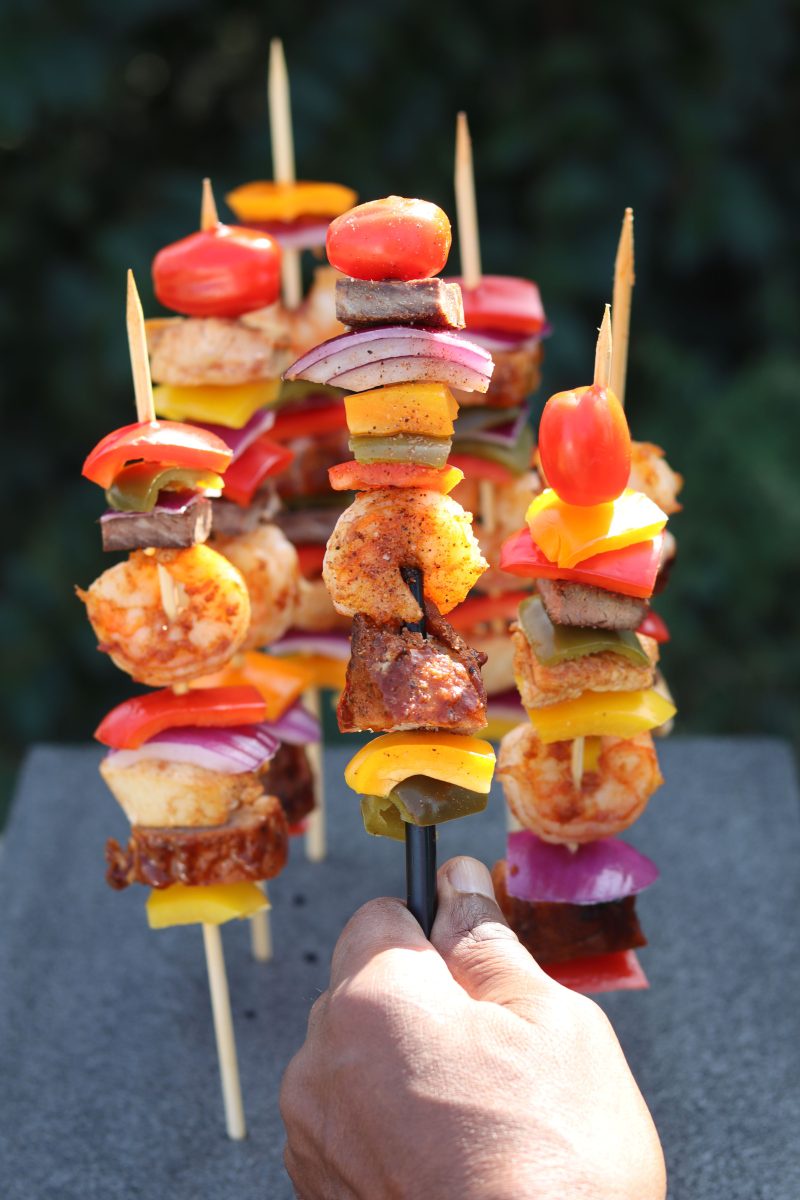
Beef sold specifically for kabobs is another convenience purchase that deserves a closer look. The meat is already cut into chunks, making it easier to thread onto skewers with vegetables and grill. But shoppers may be paying extra for the cutting and portioning, and the price can vary depending on the cut used.
Buying a larger piece of suitable beef and cutting it into cubes at home may cost less. The important detail is comparing the actual cuts, not just the package labels. Kabob meat is not necessarily the same cut from one store to another, and some options may be tougher than others. If the prepared package does not identify the cut clearly, shoppers can ask the butcher before deciding whether it is worth the price.
7. Pre-Cut Chicken Strips
Chicken strips and tender-sized pieces are convenient for stir-fries, fajitas, salads, and quick skillet meals. They eliminate the need to cut raw chicken into smaller pieces, which can be appealing when preparing dinner in a hurry. However, shoppers may find that regular boneless, skinless chicken breasts or thighs cost less per pound.
Cutting chicken at home is relatively simple, and shoppers can portion only what a recipe requires. It also makes it easier to control piece size and use the remaining chicken for another meal. As with other prepared meats, check whether the package contains plain chicken or includes added seasoning, marinade, or other ingredients. Those additions can affect both the price and the amount of actual chicken in the package.
When Paying for Pre-Cut Food Makes Sense
Pre-cut groceries are not automatically a bad deal. For some households, the time saved, reduced preparation, and convenience of having ingredients ready to cook are worth paying extra. Prepared foods can also help prevent waste when shoppers only need a small quantity of an ingredient and would otherwise leave the unused portion in the refrigerator.
A better shopping habit is to compare the price per pound or ounce, consider how much usable food comes in each package, and think about whether you can reasonably prepare it at home. A whole squash or larger cut of meat may offer better value, but only if the savings outweigh the extra work and you’ll actually use the food. Convenience has a place in a grocery budget; the key is knowing when the added cost is worth it.
The post 7 Grocery Products That May Cost More Because They’re Pre-Cut appeared first on Grocery Coupon Guide.