A grocery store shelf label can make a product look like a bargain before you even pick it up. Bright sale signs, bold percentage discounts, and special offers are designed to catch your attention while you shop. But the most prominent number isn’t always the one that tells you whether you are getting the best value. A little closer inspection can reveal that a supposedly cheaper product costs more per ounce or comes with conditions you might otherwise miss.
These details matter when every dollar in your grocery budget has a job to do. Comparing shelf labels takes only a few seconds, but it can help you avoid paying extra for familiar brands, oversized packages, and promotions that are not as generous as they appear. Here are seven price-tag details worth checking before you put an item in your cart.
1. The Unit Price in Small Print
The large price on a shelf label tells you how much you will pay for the package, but the unit price shows how much you pay for a standard amount, such as an ounce, pound, or quart. That smaller number is often more useful when comparing different sizes of the same product. A large package may cost more upfront while delivering a lower price per ounce, although that advantage only matters if you can use the entire package.
For example, a 12-ounce box of cereal priced at $4 costs about 33 cents per ounce. A 20-ounce box priced at $5 costs 25 cents per ounce, making the larger box the better unit-price value. However, package sizes and unit-price formats can vary by store, so check that you are comparing the same measurement. Also consider whether the larger package fits your budget and will stay fresh long enough to use.
2. The Original Price Behind a Sale
A shelf tag advertising a discount can make an item seem like a must-buy, especially when the regular price is printed beside the sale price. But a markdown is only useful if the final price is competitive with other options. The original price may not reflect what the product usually costs at that store, and a percentage discount does not automatically make an item cheaper than a comparable alternative.
Instead of focusing on how much the label claims you are saving, look at the amount you will actually pay. Compare the sale price with similar products, including store brands, and check the unit price when package sizes differ. If you regularly buy the item, you may also recognize whether the deal is better than the store’s typical promotion. The goal is to find a genuinely low price, not simply the most impressive-looking discount.
3. The Fine Print on Buy-One-Get-One Deals
Buy-one-get-one promotions can be worthwhile, but the details determine how much you actually save. Some stores offer a free second item, while others use buy-one-get-one-half-off pricing or require a minimum quantity. Depending on the promotion and store policy, you may also need to purchase specific sizes or varieties to qualify.
Before putting multiple packages in your cart, check the offer’s conditions and calculate the final cost. If two products normally cost $4 each and the second is half-price, you will pay $6 for both, or $3 per item. That can be a useful discount if you need both products, but it is not the same as getting one free. If you only wanted one package, buying two may increase your total spending even when the offer is legitimate.
4. The Price Per Pound on Meat and Produce
Meat, seafood, and many fresh produce items are priced by weight, which means the final cost can be different from what you initially expect. A package of chicken marked at $2.99 per pound may look affordable, but the package price depends on its actual weight. Some products also contain bones or other parts you may not use, so the lowest price per pound does not always mean the lowest cost for the portion you plan to eat.
Check both the price per pound and the total package price before deciding. When comparing meat, consider whether you are looking at boneless or bone-in cuts, since they provide different amounts of usable food. For produce, think about how much trimming or peeling will be needed and whether the quantity is realistic for your household. These details can help you compare products more fairly instead of choosing based on one number alone.
5. The Price That Requires a Loyalty Card
Some grocery stores display a regular price alongside a lower member price that requires a loyalty card or digital account. These offers can deliver real savings, but the lower price may not be available automatically to every shopper. In some cases, you may need to scan a physical card, enter a phone number, or activate a digital coupon before checking out.
Read the shelf label carefully to see what is required to receive the advertised price. If the discount depends on a digital coupon, confirm that it has been activated and check any quantity limits or expiration dates. You should also compare the final price with competing brands rather than assuming the member price is the lowest available. A loyalty deal can be valuable, but only when you qualify for it and the product is still a good buy.
6. The Price for a Different Package Size
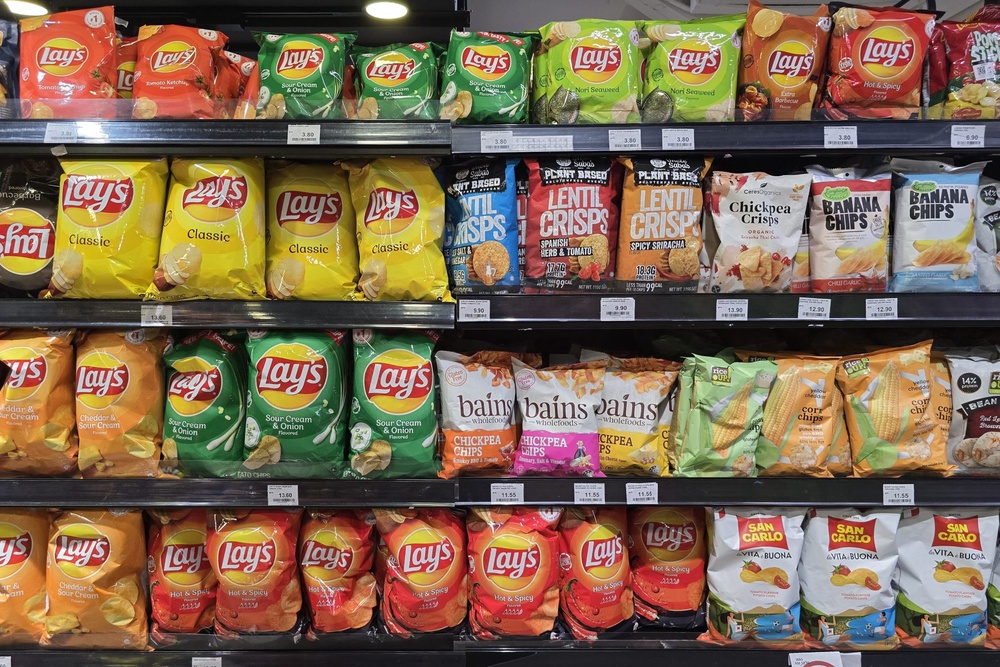
Manufacturers sometimes sell products in several package sizes, and the shelf labels can make comparisons confusing when the containers look similar. A familiar brand may offer a smaller package at a lower total price, while the larger version costs less per ounce. If you compare only the big numbers, you might choose the package that feels cheaper without realizing you are paying more for each serving.
This is particularly important for products such as coffee, cereal, snacks, yogurt, and household staples. Check the net weight or volume printed on the package and compare the unit prices shown on the shelf. Do not assume that the biggest package is always the best deal, either. A larger container may offer a lower unit price but still be a poor choice if the food expires, loses freshness, or goes unused before you finish it.
7. The Price Tag That Does Not Match the Item
Sometimes the problem is not the deal itself but whether the shelf label corresponds to the product you are holding. Similar packaging, multiple flavors, and different sizes can make it easy to mistake one price for another. A label may also remain on the shelf after a promotion ends or fail to reflect a change that has already occurred in the store’s system.
Before placing an item in your cart, check the exact brand, size, flavor, and quantity listed on the label. If a promotion appears inconsistent or the price does not match what you expected, ask an employee to verify it before you buy. Keep an eye on the checkout screen as well, since it gives you a chance to catch an unexpected charge while you are still at the register. Store pricing policies and local rules differ, so do not assume every mismatch automatically entitles you to a free product or a particular discount.
Make the Shelf Label Work for Your Budget
You do not need to calculate every price in the store to become a smarter grocery shopper. Start with the products you buy most often, compare unit prices, and check the conditions behind sale and loyalty offers. Those habits can help you recognize which promotions offer genuine value and which ones simply encourage you to spend more.
Remember that the lowest price is not always the best purchase if the product is poor quality, goes to waste, or requires buying more than you need. Look at the total cost, the amount you will actually use, and whether the item fits your grocery plan. A few seconds spent reading the shelf label can help keep small pricing mistakes from adding up across an entire shopping trip.
What To Read Next
Grocery Prices Are Still Rising — But Not Every Food Category Is Getting More Expensive
Nearly Half of Shoppers Would Trade Grocery Privacy for Lower Prices
10 Grocery Store Products That Look Like Deals Until You Check the Unit Price
8 Aldi Finds That Look Like Bargains — Until You Check the Unit Price
Store Brand vs. Name Brand: 12 Grocery Items Where the Price Difference Is Hard to Ignore
The post 7 Grocery Store Price Tags That Deserve a Second Look Before You Buy appeared first on Grocery Coupon Guide.