Thanksgiving grocery shopping often involves buying more food than a typical household needs for an ordinary week. Between the turkey, side dishes, desserts, appetizers, and drinks, it is easy to fill a cart without thinking about how much food everyone will actually eat. Many families want to make sure nobody leaves the table hungry, but purchasing too much can create unnecessary expenses and leave refrigerators packed with leftovers.
Some of the biggest opportunities to save come from reconsidering everyday holiday purchases. Certain ingredients are easy to overestimate, especially when multiple recipes call for similar items or shoppers are preparing food for a large gathering. Before heading to the grocery store, consider these seven items families may buy more of than they really need.
1. Potatoes for Mashed Potatoes and Other Side Dishes
Potatoes are a Thanksgiving staple, but families sometimes purchase several large bags without calculating how much they need. Mashed potatoes may be the main reason for buying them, but shoppers might also plan roasted potatoes, potato casseroles, or other dishes. When multiple potato recipes make it onto the menu, the total quantity can grow quickly.
A useful starting point is approximately one-half pound of raw potatoes per person for a mashed potato side dish, adjusting for appetites and other menu options. Families serving several additional sides may need less. Consider the number of guests and whether potatoes appear in more than one dish before buying large packages. This can help avoid having several pounds left over after the holiday.
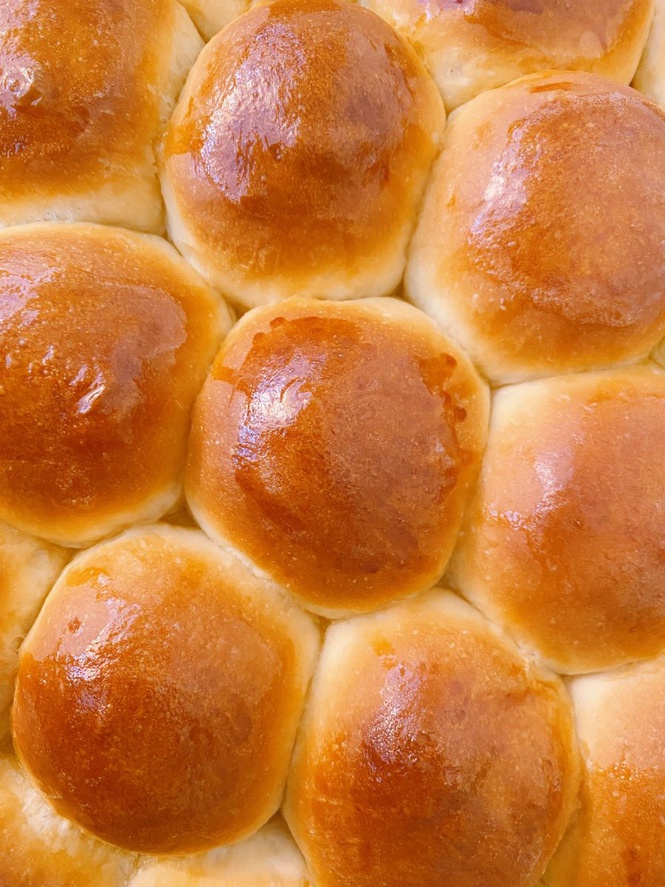
2. Dinner Rolls and Other Bread Products
Dinner rolls are an easy addition to a Thanksgiving meal, but they can also become one of the most overbought items. Grocery stores often display large packages and seasonal bakery selections, encouraging shoppers to purchase more than they originally planned. Families may also buy cornbread, biscuits, or specialty bread without considering how many bread options are already on the menu.
Think about how many guests will realistically eat bread and whether it is being served alongside several other starches. If the meal already includes stuffing, macaroni and cheese, potatoes, and casseroles, guests may not need multiple rolls each. Choosing one primary bread option can help reduce costs and prevent unopened packages from taking up refrigerator or freezer space.
3. Canned Vegetables and Casserole Ingredients
Canned green beans, corn, cream soups, and other vegetables are common Thanksgiving purchases. They are convenient, relatively inexpensive, and often appear in multiple traditional side dishes. However, shoppers can end up buying too many cans when they plan each recipe separately without calculating the combined quantities.
Before purchasing canned ingredients, review the recipes and determine exactly how many cans each dish requires. Consider whether guests are eating green bean casserole, corn casserole, and additional vegetable sides. Families do not necessarily need several different vegetable dishes if only a few guests particularly enjoy them. Planning the menu around popular sides can help prevent unnecessary spending on ingredients that may never be used.
4. Butter and Dairy Products
Butter, milk, heavy cream, and sour cream are important ingredients in many Thanksgiving recipes. They appear in mashed potatoes, casseroles, baked goods, gravy, and desserts, making it easy to underestimate how much you need. However, buying several extra packages without checking existing supplies can leave families with more dairy products than they can use.
Start by combining the ingredient requirements from all planned recipes. A single package of butter may cover several dishes, depending on the quantities involved. Check the refrigerator before shopping, paying attention to expiration dates and what you already have. Also consider whether every recipe needs the same type of dairy product or whether an existing ingredient can serve more than one purpose.
5. Cranberry Sauce and Specialty Condiments
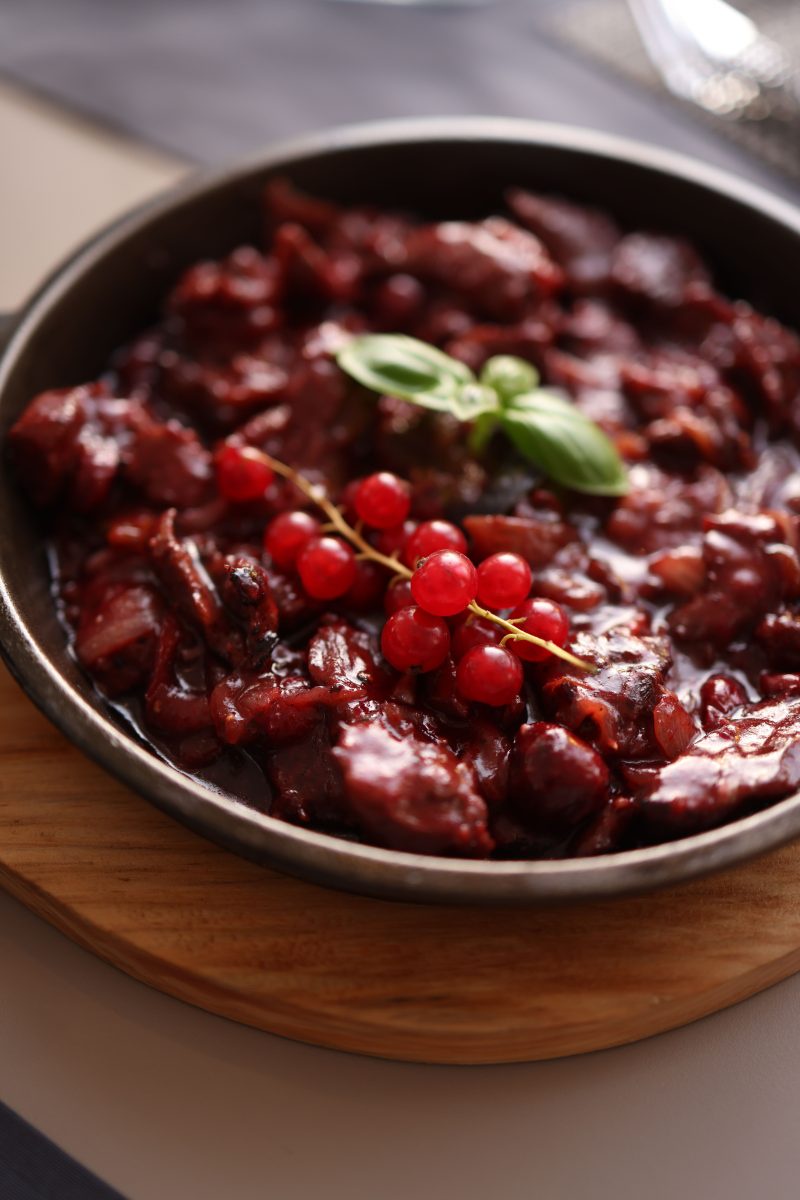
Cranberry sauce is a Thanksgiving favorite, but it is not always a dish that every guest eats. Some families buy multiple cans or containers to make sure there is enough for everyone. Others buy both canned cranberry sauce and fresh ingredients for a homemade version, even though one option may be sufficient.
The same issue can happen with gravy, specialty mustards, salad dressings, and other holiday condiments. Instead of automatically buying several varieties, consider what guests actually prefer and how many servings you need. If cranberry sauce is popular with only a few people at the table, one container may be enough. Checking what is already in the pantry can also prevent buying another jar unnecessarily.
6. Desserts and Baking Supplies
Thanksgiving desserts can quickly increase grocery spending, especially when families plan several pies, cakes, cookies, and other treats. Shoppers may feel obligated to provide a wide selection, even when guests are unlikely to eat more than one or two servings. Buying ingredients for multiple homemade desserts can also lead to excess flour, sugar, eggs, evaporated milk, and other baking supplies.
Consider how many people will be attending and whether guests are bringing desserts of their own. A smaller selection of popular choices may be more practical than preparing several full-sized desserts. Families can also compare the cost of making everything from scratch with purchasing one prepared dessert from the grocery store. The goal is to provide enough variety without spending money on sweets that will eventually go uneaten.
7. Drinks and Bottled Water
Beverages are another area where Thanksgiving shoppers can overestimate how much they need. Families may buy several cases of bottled water, multiple bottles of soda, juice, and other drinks without considering what guests already have. If the gathering is relatively small or most people prefer water, buying large quantities of every beverage option can be unnecessary.
A better approach is to ask guests what they plan to drink and estimate quantities based on the number of people attending. Consider whether tap water, pitchers of iced tea, or other inexpensive options can replace bottled beverages. Also check whether drinks are already included in what family members are bringing. Coordinating these purchases can help prevent several people from buying the same beverages.
Plan Thanksgiving Portions Before Heading to the Store
Thanksgiving grocery shopping doesn’t have to mean buying the largest package of every ingredient or preparing enough food for several extra meals. Families can often reduce their spending by estimating portions, reviewing recipes together, and considering which dishes guests actually enjoy. Checking pantry and refrigerator supplies before shopping is another simple way to avoid unnecessary purchases.
The best holiday grocery list accounts for the number of guests, the planned menu, and the food everyone is likely to eat. Buying enough to make the celebration enjoyable matters, but buying more than the household can reasonably use can turn holiday leftovers into food waste. A little planning before visiting the grocery store can help families enjoy Thanksgiving dinner without overspending.
The post 7 Thanksgiving Grocery Items Families Often Buy More of Than They Need appeared first on Grocery Coupon Guide.