
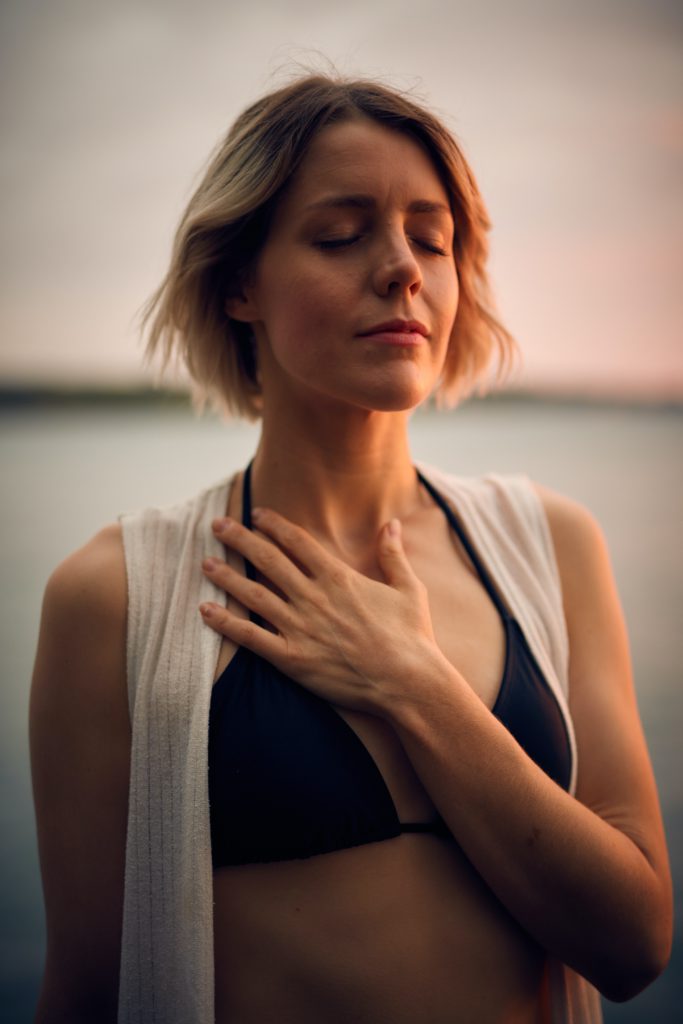
Nowadays, more and more people are suffering from depression and anxiety. This is because we live in a society that’s plagued with stress and with the covid-19 pandemic, I believe the statistics have worsened. According to a study published in the Elsevier Public Health Emergency Collection on depression and anxiety among the Malaysian population during the 3rd wave of the covid-19 pandemic, 25.1% of the participants displayed severe depressive symptoms, while 18.7% displayed mild depressive symptoms. When it comes to anxiety, 34.1% or one-third of the participants recorded mild to moderate anxiety symptoms.
These numbers are significant and hence, a cause for concern. So, lucky for you, I have put my research skills to good use. Here are some therapist-approved relaxation tips you can try to combat stress and alleviate symptoms of mental illness.
1) Deep Breathing
Also known as diaphragmatic breathing or belly breathing, deep breathing is a simple method commonly prescribed by therapists. This tip is recommended because when we’re stressed, we tend to breathe shallow and rapidly. Through deep breathing, we deliberately take slow and deep breathes thus, reversing the symptoms.
All you need to do is breathe in slowly for 4 seconds (4 counts), hold your breath for 4 seconds, then breathe out gently through the mouth for 6 seconds (6 counts). Repeat this breathing cycle for at least 2 minutes, 5 to 10 minutes for greater benefits.
2) Progressive Muscle Relaxation (PMR)
Another interesting relaxation technique I came across online is called Progressive Muscle Relaxation or PMR. It is said that regular practise of this technique can create a lasting feeling of relaxation that extends beyond the 5-10 minutes needed to do this exercise. Here’s a step-by-step guide to try it out.
- Sit back or lie down in a comfortable position. Close your eyes if you want to.
- Then, beginning at your feet, notice how your muscles feel. Are they tense or relaxed?
- Tightly tense your feet muscles by curling your toes. Hold the tension for 5-10 seconds.
- Finally, release the tension from your feet and let them relax. Notice the difference you feel between the tensed and relaxed states.
- Repeat the same steps throughout your body for the following groups of muscles: legs, pelvis, stomach, chest, back, arms, hands, neck, and face.
(If you are practising this exercise alone, it is suggested that you use audio or video aid.)
3) Watch Cute Animal Videos
Now did that video put a smile on your face? According to a study conducted by the University of Leeds in the UK, watching images and videos of cute animals for 30 minutes can contribute to a reduction in stress and anxiety. Based on the research results, participants who watched a video compilation of adorable baby animals experienced a reduction in blood pressure and heart rate. Their anxiety rates also went down by 35%.
So the next time you’re feeling stressed out in the office, go ahead and watch those adorable puppy and kitten videos on Youtube to relax and destress.
Random Rose is a content writer under Headliner by Newswav, a programme where content creators get to tell their unique stories through articles and at the same time monetize their content within the Newswav app.
Register at headliner.newswav.com to become one of our content writers now!
Newswav is solely an aggregation platform and hosts the content. The views expressed and content above including media (pictures, videos, etc) were provided by the author. If you have any questions about the content, copyright or other issues of the work, please contact Newswav.


