ON Aug. 15, after two weeks of heavy and incessant rain due to typhoons and the monsoon, a lucky celebrant had a morning of sunshine for her long-planned 80th birthday party in Bacolor, Pampanga.
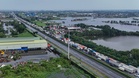
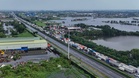
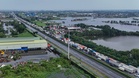
I was an invited guest and duly took the North Luzon Expressway (NLEx) north to Bacolor. It was in normal passable conditions, but I did notice the fields on each side of the expressway flooded almost to the fringe of the road. I said to myself and a few others later that the next heavy rain would surely flood the NLEx.
I am not a hydrologist, weather forecaster, engineer or prophet. It was just common sense that everyone has from life that predicted that the next heavy rain would flood the NLEx from what could be observed. I cannot help wondering if anyone in the NLEx management had the common sense to note the flooded fields and the flood that the next rain would surely bring to the expressway. And if it was noticed, were any emergency measures planned to cope with what was to come?
The NLEx management, despite its continuously rising toll fees, always shows signs of mismanagement. Only recently and not yet perfectly did they attend to the automated entry of vehicles despite stickers for it that should allow a seamless pass through. Their entry automation would fail, causing a backup of vehicles delaying one and all. Also, despite multiple flood occurrences where people and vehicles were stuck into paralysis with no exit, there seem not to have been any serious flood control measures taken. Or, emergency measures to deal with cars and people stuck in their flooded expressway. Moreover, inefficiencies like allowing vehicles that violate height restrictions into the expressway, resulting in their destruction of bridges and pedestrian walkways and in the process paralyzing the expressway, have happened unnecessarily. One would think that with the high tolls, which apparently are the most profitable part of the private entity that runs the expressway, they could find the funds to pay personnel to be on lookout to deny entry to such sources of destruction and consequent paralysis.
Time and time again when you most need the expressways (and I include here the South Luzon Expressway too, whose Skyway part actually flooded in recent rains), they fail. On holidays and the usual weather disturbances that should have been anticipated, the roads meant to bring their users quickly and efficiently to their destination prove otherwise. Is this an unfortunate consequence that there is no recourse for the toll payers but to accept?
So, as the sun rises and sets predictably, so will the NLEx flood during heavy rains because their flood control if any has failed or perhaps is nowhere there.
The result is people trapped in their vehicles for hours without a possible exit forward or backward. Hunger, the need for restrooms, for exercise, and for some kind of alleviation are absent. They are literally abandoned after paying hefty toll fees.
Moreover, if floods can be predicted due to the recurrent circumstances and there are no improvements to manage them at NLEx, should not management close the expressway for the duration of heavy rains after giving due notice in good time before thousands of vehicles and people converge in what is likely to flood and trap them? If there is weather forecasting, maybe the expressway too can do their own prediction as the rains fall and move quickly to avert catastrophe. They should know best that they cannot manage rain principally because as of now they have not provided the tools to keep traffic moving in weather that we have been experiencing time and time again.
Their latest stunt was to shut down NLEx suddenly days after the catastrophe to do what they should have been doing during the rains. Without prior notice, motorists already in Tarlac were told to leave the expressway without giving them information as to what roads to take to their destination. One friend unaware of the sudden closure took 14 hours to come down from Baguio to Manila as their vehicle was diverted from the expressway in Tarlac, resulting in their getting lost as they tried to find the way to their destination in unfamiliar territory. Could not NLEx have given wide publicity to the closure, allowed a few days to disseminate it and perhaps even given an alternate route for its would-be customers? But then from previous experience, that is asking too much of a management focused on tolls and not clients who pay them.
If I were the manager of the NLEx or any other expressway and this catastrophic situation due to my lack of foresight, industry and expertise happened, I would try to mitigate the outrage by spending money to bring water, coffee, food packs and even certain devices for relief of calls of nature (like portalets) and distribute them with apologies to the suffering stranded. Apparently, this idea or its shadow has not occurred to the NLEx management.
And if I were the Toll Regulatory Board or whatever government agency is supposedly supervising expressways, I would fine NLEx a month’s worth of tolls, especially now that they are crowing in a most untimely manner about their expressway profits.
Meanwhile, maybe they can have portable ramps to assemble over floods and get stranded vehicles to use them since there will always be floods. Or, bring car conveyances that bring multiple cars for sale to their destinations and use them to mount the cars stuck in flooded waters. Better still, get flood control that succeeds done as soon as possible. I am sure this will be called wishful and useless thinking and maybe it is but I dare the NLEx to think better and do better.