
When Cameron Highlands comes to mind, the imagery is almost immediate — strawberries in neat rows, rolling tea plantations, and crisp salad leaves thriving in the cool air. It is a destination long defined by its agricultural identity. Yet, tucked quietly within this familiar landscape lies something far less expected — a space that feels, in its own understated way, like a mini Holland within Malaysia.

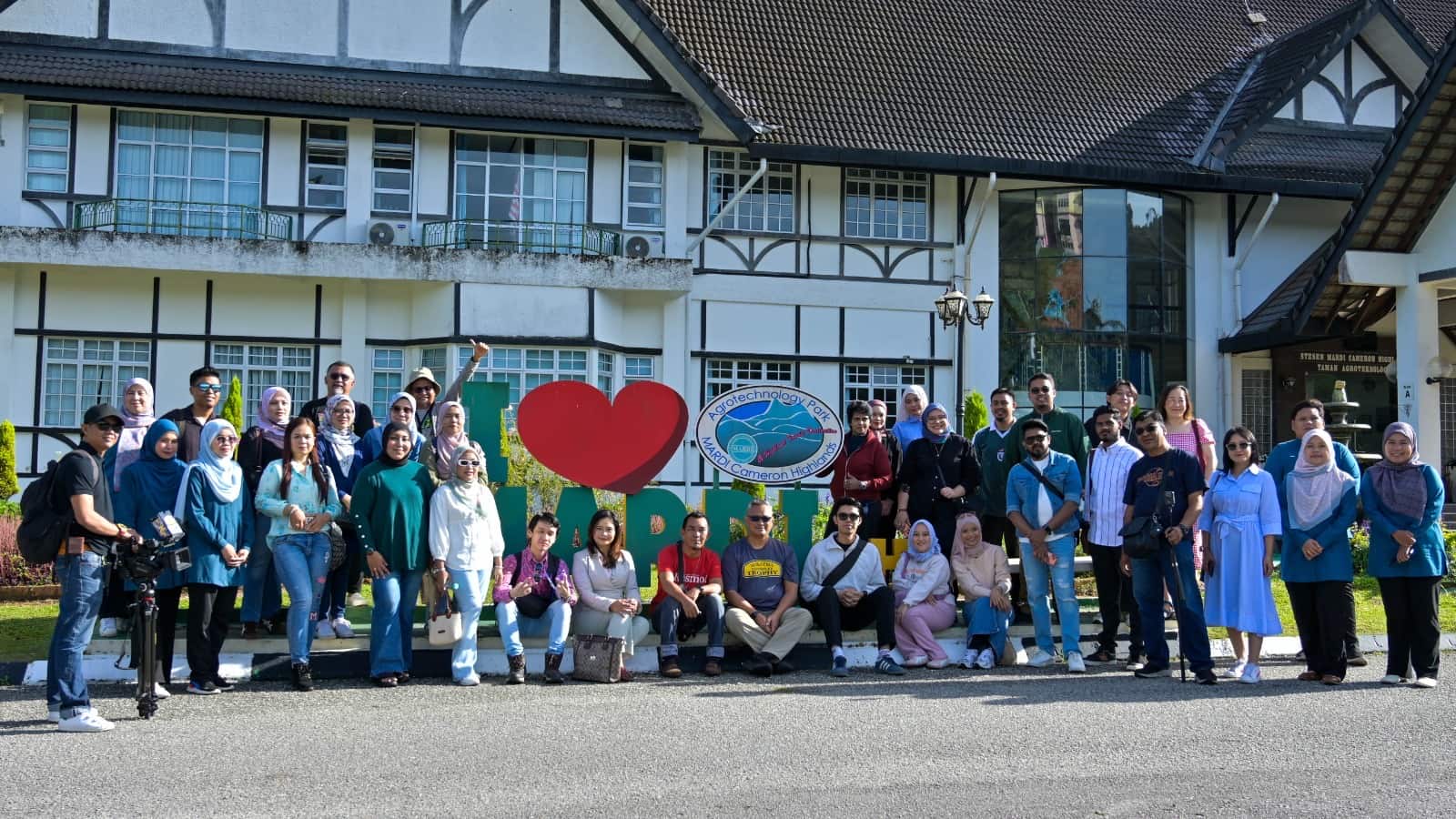
That was precisely what my teammate and I from S R THETA set out to explore during a recent visit on the 11th of April, 2026. Our focus was a short excursion to Agro Technology Park MARDI Cameron Highlands, located in Tanah Rata, an area sitting at approximately 1,500 metres (5,000 feet) above sea level. With temperatures typically ranging between 15°C and 25°C, the climate here offers a rare temperate environment within a largely tropical country.
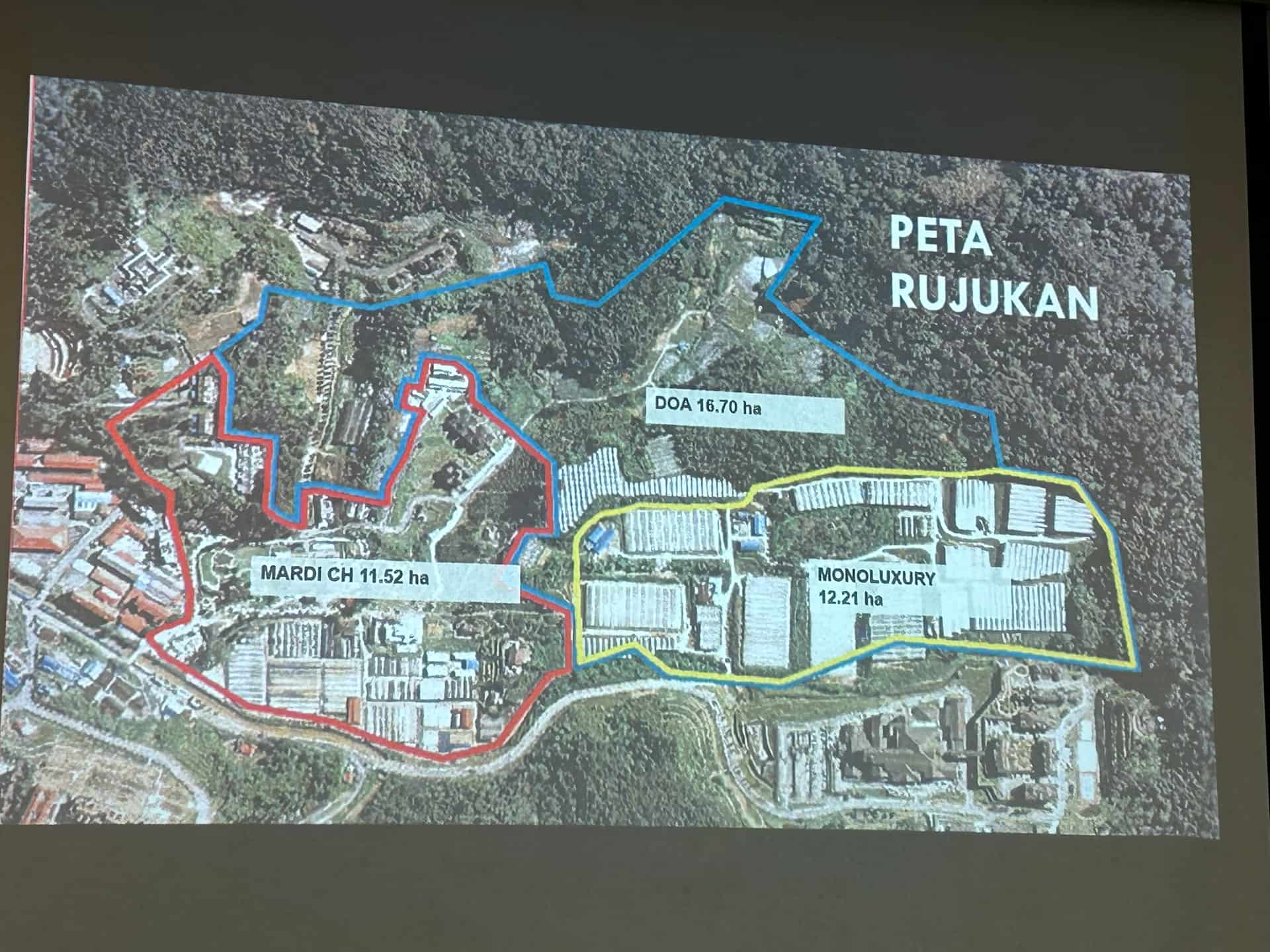
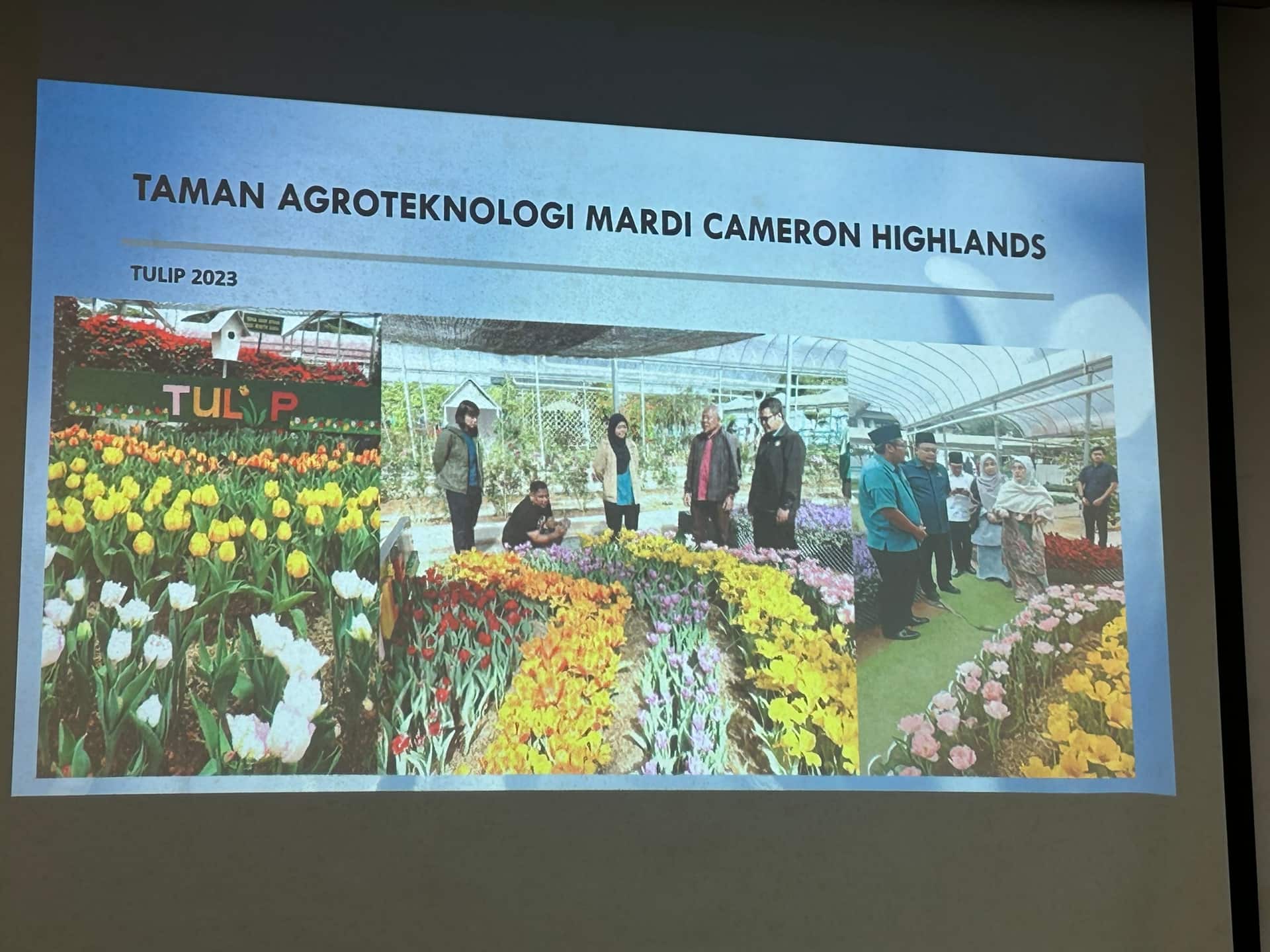
Our visit was part of a familiarisation programme supported by the Malaysian Agricultural Research and Development Institute, known as the “Tulips Experience” or “Tulip di Malaysia”. While the park is home to a wide variety of plantations — including strawberries, herbs, orchids, pitcher plants, roses, commercial vegetables, apples, and even Brazilian grapes — our attention was drawn towards one particular highlight: the tulip farm.
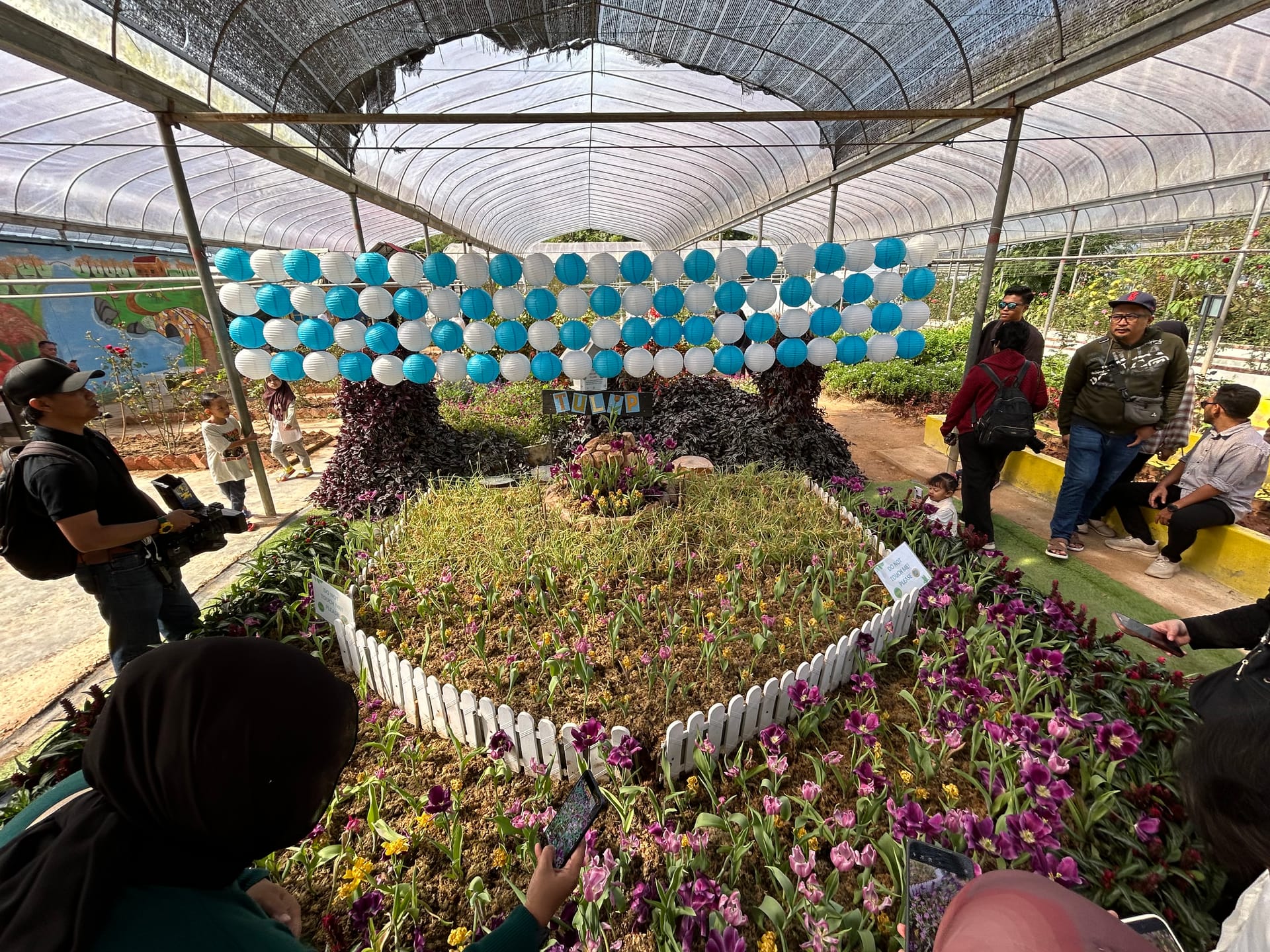
At first glance, the idea of tulips growing in Malaysia might seem unlikely. These flowers are more commonly associated with cooler European climates. Yet here, within a carefully managed section of the park, rows of tulips stood as a quiet testament to what controlled cultivation and agricultural research can achieve.

According to a briefing by an officer at MARDI Cameron Highlands, the tulip farm has been open to the public since 2022, with approximately 1,500 young plants cultivated in total. Two main variants are grown — Tulipa gesneriana (the garden tulip) and Tulipa clusiana (the lady tulip). Each planting cycle typically takes between 8 to 12 weeks, from the initial stage of cultivation until the flowers reach full bloom.
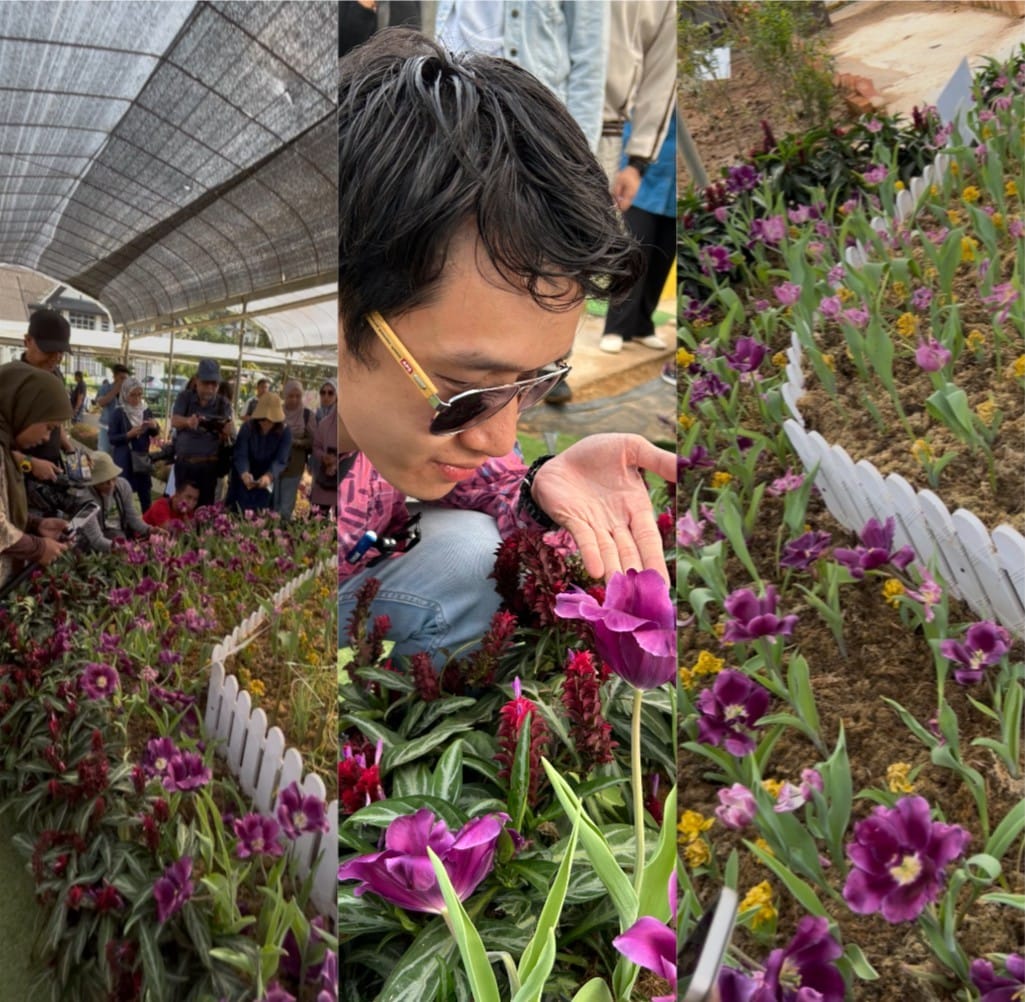
Interestingly, the batch we observed had been planted as early as January, aligning well with the timing of our visit. There is something quietly rewarding about witnessing a bloom that has taken weeks of careful preparation to reach its peak — especially knowing that such conditions do not naturally occur in most parts of the country.
Tulips, as it turns out, are rather “manja” plants — delicate and highly sensitive to their surroundings. To support their growth, the park utilises a combination of greenhouse systems, temperature and humidity control, vernalisation techniques, and regulated irrigation. These methods effectively recreate the conditions required for tulips to thrive, even within a tropical climate.
It also explains why tulips are seldom seen planted in urban parks, along streets, or used extensively in outdoor events across Malaysia. The natural heat simply does not provide a suitable environment. In many ways, the tulip’s dependency on the right conditions mirrors a broader truth — that growth, whether in plants or people, is often shaped by the environment we are placed in.
There was also a brief mention that efforts may be made to showcase tulips at the upcoming highly-anticipated Malaysia Agriculture, Horticulture and Agrotourism Show (MAHA) later this year. However, given that the event is expected to take place between late August and early September — a period less favourable for tulip cultivation — there remains a level of uncertainty.
Beyond the tulips, what made the visit feel more complete was the surrounding environment itself. The park is not limited to a single attraction, but rather offers a broader glimpse into Malaysia’s evolving floriculture landscape — one that blends research, climate adaptation, and public accessibility.
For those considering a visit, the recommended window would be between 1st and 16th April, when the tulips are expected to be at their best. The entry fee for adults is RM10, which, in perspective, feels reasonably worthwhile given that the experience extends beyond just the tulip enclosure. Visitors can also explore other parts of the park — from taking in views of the surrounding tea plantation to briefly interacting at the sheep sanctuary, and even sampling freshly plucked jabuticaba (Brazilian grapetree), which can be eaten straight from the branch.
It is, admittedly, a short seasonal window — but perhaps that is what gives the experience its quiet charm.
Looking back, the visit was not just about seeing tulips. It was about rethinking what Cameron Highlands represents. While strawberries and tea remain iconic, it is these quieter, lesser-known experiences that add depth to the journey — subtle discoveries that linger a little longer than expected.
Sebastian srTheta (iubiquitous96@icloud.com) is a content creator under the Newswav Creator programme, where you get to express yourself, be a citizen journalist, and at the same time monetize your content & reach millions of users on Newswav. Log in to creator.newswav.com and become a Newswav Creator now!
The User Content (as defined on Newswav Terms of Use) above including the views expressed and media (pictures, videos, citations etc) were submitted & posted by the author. Newswav is solely an aggregation platform that hosts the User Content. If you have any questions about the content, copyright or other issues of the work, please contact creator@newswav.com.