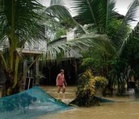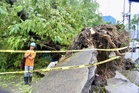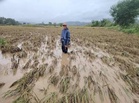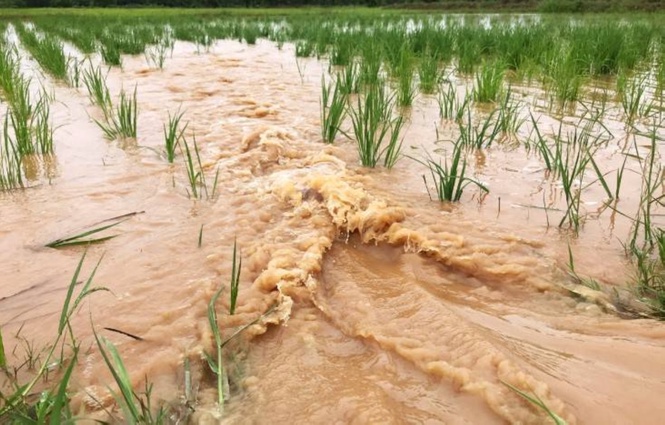
AGRICULTURAL losses from tropical cyclones Luis, Maymay, and Neneng, and worsened by the enhanced southwest monsoon, have reached P2.32 billion and affected 69,615 farmers, the Department of Agriculture (DA) said Thursday.
In its latest bulletin, the DA said 62,732 hectares of farmland were destroyed, with production losses totaling 60,896 metric tons.
Damage in the Cordillera Administrative Region, Ilocos Region, Cagayan Valley, Central Luzon, Calabarzon, Mimaropa, Bicol, and Western Visayas was reported.
Affected commodities include rice, corn, cassava, high-value crops, fisheries, livestock and poultry. Agricultural and fisheries infrastructure, machinery and equipment were also affected.
“Further damage and losses are expected in affected regions as assessment and validation are ongoing,” the DA said.
The agency said it has prepared P609.79 million worth of rice, corn, and vegetable seeds for farmers’ use, as well as 9,260 bags of National Food Authority rice for distribution to Ilocos, Cagayan Valley, Central Luzon, and Mimaropa.
The Philippine Crop Insurance Corp. has also readied P35.67 million in insurance payouts to 5,005 farmers.
Affected farmers may also avail of zero-interest Survival and Recovery loans of up to P25,000 through the Agricultural Credit Policy Council.
DA regional offices have mobilized assistance and are coordinating with regional disaster councils, local governments, and other agencies to address the impact of the weather disturbances.
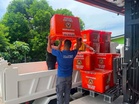
The agency has also deployed Kadiwa trucks to transport agricultural commodities and deliver assistance to affected areas. Regional offices are monitoring commodity prices and the movement of goods to help prevent profiteering amid supply disruptions.
In the Cordillera region, the DA has issued guidelines to help farmers reduce spoilage and post-harvest losses, particularly of high-value crops.
The DA-Cordillera has likewise set up help desks at the Benguet Agri-Pinoy Trading Center and La Trinidad Vegetable Trading Post to monitor vegetable shipments and provide farmers with information on available government assistance.