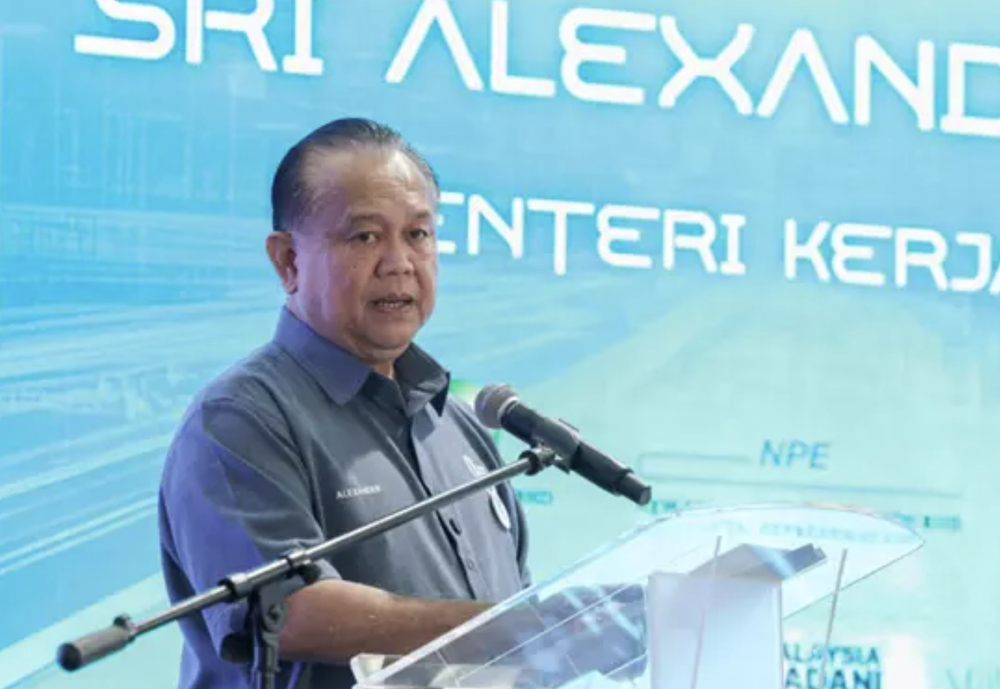
 Works Minister Datuk Seri Alexander Nanta Linggi. (Photo: Bernama)
AI is now keeping a closer eye on motorists using three Malaysian highways.
A new Smart Highway Traffic Control Centre has been launched to monitor the Sungai Besi Expressway (BESRAYA), New Pantai Expressway (NPE) and Kajang-Seremban Expressway (LEKAS), using artificial intelligence and automated detection systems to spot traffic incidents and potential offences in real time.
Among the behaviours the system can detect are wrong-way driving, illegal lane changes and illegal stopping or parking.
But before motorists start worrying about an AI-generated summons arriving in the mail, there is an important distinction.
The system cannot currently issue traffic summonses automatically.
TL;DR What Drivers Need To Know AI-powered monitoring is now being used across BESRAYA, NPE and LEKAS. The system can detect wrong-way driving, illegal lane changes and illegal stopping or parking. It can also spot breakdowns, pedestrians, potholes, spills, congestion and potential flood risks. The system cannot currently issue traffic summonses directly. Footage and data captured by the system can be used by police to assist enforcement. Works Minister Datuk Seri Alexander Nanta Linggi says direct automated ticketing could be introduced in the future. Which Highways Are Being Monitored?The new system covers three highways operated under the IJM Toll Division:
BESRAYA - Sungai Besi Expressway NPE - New Pantai Expressway LEKAS - Kajang-Seremban ExpresswayThe Smart Highway Traffic Control Centre was launched at the BESRAYA Traffic Monitoring Centre at Plaza Tol Loke Yew.
According to the Works Ministry, the IJM control centre integrates 144 CCTV cameras, 87 Video Incident Detection System (VIDS) units, 35 Automatic Number Plate Recognition (ANPR) units and 22 Variable Message Signs (VMS).
AI MONITORING IS LIVE HERE 3 MALAYSIAN HIGHWAYS BESRAYA Sungai Besi Expressway NPE New Pantai Expressway LEKAS Kajang-Seremban Expressway What Can The AI System Detect?The system goes beyond simply watching traffic through conventional CCTV cameras. It uses automated monitoring and video analytics to identify a range of incidents and potential risks as they happen.
According to the Works Ministry and Works Minister Datuk Seri Alexander Nanta Linggi, the system is capable of detecting vehicles travelling against traffic, illegal lane changes, illegal stopping or parking and traffic congestion.
It can also identify vehicle breakdowns, pedestrians on the highway, potholes and road damage, liquid spills, rubbish dumping and illegal advertising banners or signboards.
The system can additionally provide early warning of potential flooding and automatically count and categorise vehicles using the highway.
WHAT CAN IT DETECT? Traffic offences and behaviour: Wrong-way driving, illegal lane changes and illegal stopping or parking. Road incidents: Breakdowns, pedestrians, congestion, potholes, road damage and liquid spills. Other hazards: Rubbish dumping, illegal banners or signs and potential flood risks. Can The AI Issue A Summons?Not at the moment.
Nanta said the system currently cannot directly issue traffic summonses to motorists detected committing offences.
However, the footage and data it captures can be used by the police to assist with enforcement.
That means motorists should not confuse automated detection with automated enforcement. The system may spot a potential offence, but it does not currently generate and issue a summons on its own.
IMPORTANT AI DETECTION DOES NOT MEAN AUTOMATIC SUMMONSES The system can automatically detect potential traffic offences and incidents, but it cannot currently issue summonses directly. Data and footage captured by the system can still be provided to police to assist with enforcement. Could Automated Summonses Come Next?-full_normal.jpg)
Potentially.
Nanta said direct automated ticketing may be implemented in the future, although no implementation date or confirmed rollout has been announced.
That distinction matters.
For now, the technology is primarily being used to improve monitoring, incident detection, traffic management and enforcement support rather than functioning as an automated summons system.
Still, with ANPR cameras, AI-powered detection and real-time monitoring already operating across the three highways, the infrastructure raises an obvious question about how far automated enforcement could eventually go.
It Is Not Just About Catching Offences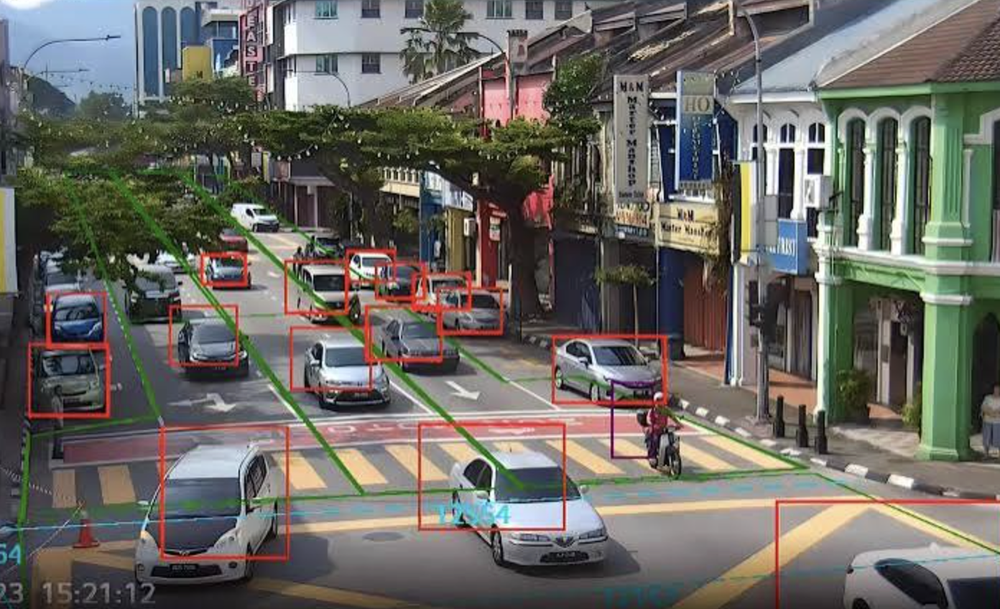 For illustration purposes only. (Photo: LED Vision)
The technology is also intended to improve how quickly highway operators can respond to crashes, breakdowns and other emergencies.
Nanta said highway patrol response times have fallen from more than 15 minutes to around eight to 10 minutes, with automated alerts helping teams respond more quickly.
The system forms part of a wider push towards Intelligent Transport Systems under the Malaysia ITS Roadmap 2030, which includes AI, big data analytics, the Internet of Things, real-time travel information and integrated traffic management.
The Works Ministry says Malaysia's overall tolled highway network is already monitored around the clock through 873 CCTV cameras and 278 Variable Message Signs.
THE BIGGER PICTURE Malaysia's Highways Are Getting Smarter Around six million vehicles use Malaysia's highway network every day. The government wants AI, big data, IoT and integrated traffic management to play a larger role in making those journeys safer and more efficient. Would You Trust AI To Enforce Traffic Laws?For motorists using BESRAYA, NPE and LEKAS, AI-assisted monitoring is no longer something being discussed for the distant future. It is already operating.
What comes next is arguably the more interesting question.
For now, a human enforcement process still sits between the system detecting an offence and a motorist receiving a summons.
But if Malaysia eventually moves towards direct automated ticketing using these systems, the relationship between drivers, highway cameras and traffic enforcement could look very different.
Read: PLUS Unveils Five-Year Roadmap - AI, Clean Mobility and Climate Resilience