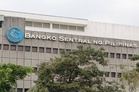
JAPANESE investment bank Nomura said the Bangko Sentral ng Pilipinas (BSP) could deliver another jumbo rate hike next month as worsening inflation pressures raise the need for more aggressive monetary tightening.
“The sharp pickup in core inflation does not only validate BSP’s more aggressive tightening in October, but it could also be a bigger worry for BSP,” Nomura said.
It projected that the central bank would raise its policy rate to 6.25 percent by the first quarter of 2027.
The BSP policymaking body Monetary Board has already raised key policy rates by a total of 125 basis points this year, with a jumbo rate hike implemented last month amid expectations of a higher inflation print.
Nomura expects the BSP to deliver another 50-basis-point increase at its December monetary policy meeting, followed by a further 25-basis-point hike in the first quarter of next year.
The investment bank said the latest inflation figures validated the central bank's more aggressive tightening stance, particularly as rising energy costs increasingly feed into other components of the consumer price index (CPI).
Philippine headline inflation accelerated to 7.8 percent in October from 7.2 percent in September. This was the highest inflation reading since the first quarter of 2023, in the aftermath of the Russia-Ukraine conflict.
The October figure was also at the upper end of the BSP's 7.1 to 8.1 percent forecast range for the month, bringing the average inflation rate for the first 10 months to 5.6 percent, well above the central bank's 2.0 to 4.0 percent target.
More concerning for monetary authorities was the acceleration in core inflation, Nomura said, which excludes volatile food and energy items and provides a better indication of underlying price pressures.
Core inflation climbed to 5.4 percent in October from 4.8 percent in September, marking its highest level since 2023.
“Core inflation could continue to rise, warranting more BSP monetary tightening,” Nomura said.
The bank said the increase indicated that the effects of the energy price shock were spreading to a wider range of goods and services, raising the risk that inflation could remain elevated even if global energy prices eventually ease.
In particular, prices of restaurant and accommodation services, as well as personal care and other goods and services, continued to increase as businesses adjusted to higher input costs.
These developments suggest that the initial increase in energy prices is translating into broader price adjustments across the economy, potentially making inflation more persistent.
Second-round effects
Nomura said this intensifying second-round impact, combined with the prospect of higher food prices due to the worsening El Niño phenomenon, could prompt the BSP to maintain its aggressive monetary policy stance.
The increase in energy costs was particularly evident in transport and household utilities.
Transport inflation surged to 20.1 percent in October from 14.6 percent in September.
Inflation in housing, water, electricity and gas likewise accelerated to 9.3 percent from 8.4 percent during the same period.
Rice inflation remained elevated at 20.7 percent, slightly higher than September's 20.3 percent, although lower prices of vegetables and fruits provided some relief following weather-related disruptions in the previous month.
Nomura said it expected headline inflation to remain above 7 percent in both November and December as elevated energy prices combine with higher food costs associated with an intensifying El Niño phenomenon.
It consequently raised its full-year 2026 headline inflation forecast to 5.9 percent from 5.8 percent.
Tightening to lift peso
Meanwhile, the investment bank also expressed a more positive outlook for the peso, raising its conviction level on its recommendation to bet against the US dollar against the local currency.
Nomura initiated a short dollar-peso position on Oct. 28, targeting an exchange rate of P62.20:$1 by the end of December 2026. It subsequently raised its conviction level to four out of five while maintaining its exchange rate target.
The peso has been on a downward trajectory since the Middle East war erupted in March, when it first breached the P60:$1 level.
It weakened further to the P63:$1 level before hitting a record low of P64.17:$1 on Oct. 27, despite the BSP’s 50-basis-point jumbo rate hike five days earlier.
Nomura said expectations of another 50-bps rate increase in December could provide additional support for the peso.
It also pointed to recent comments from BSP Governor Eli Remolona Jr. expressing concern over the peso's sharp depreciation, as well as declining global energy prices and emerging weakness in the US dollar.
Nomura noted that Brent crude had fallen to $94 per barrel, around 20 percent below its recent peak on Oct. 30, potentially easing pressure on the country's import bill and the peso.
“We also believe BSP has ample FX reserves to actively sell dollars in the event of a near-term turn higher in broad USD and the energy complex,” Nomura said. NIÑA MYKA PAULINE ARCEO