Bank of England boss Andrew Bailey has warned banks are likely to pass on costs of Labour’s tax hike on to customers, in a blow to millions of homeowners already set to see their monthly mortgage soar.
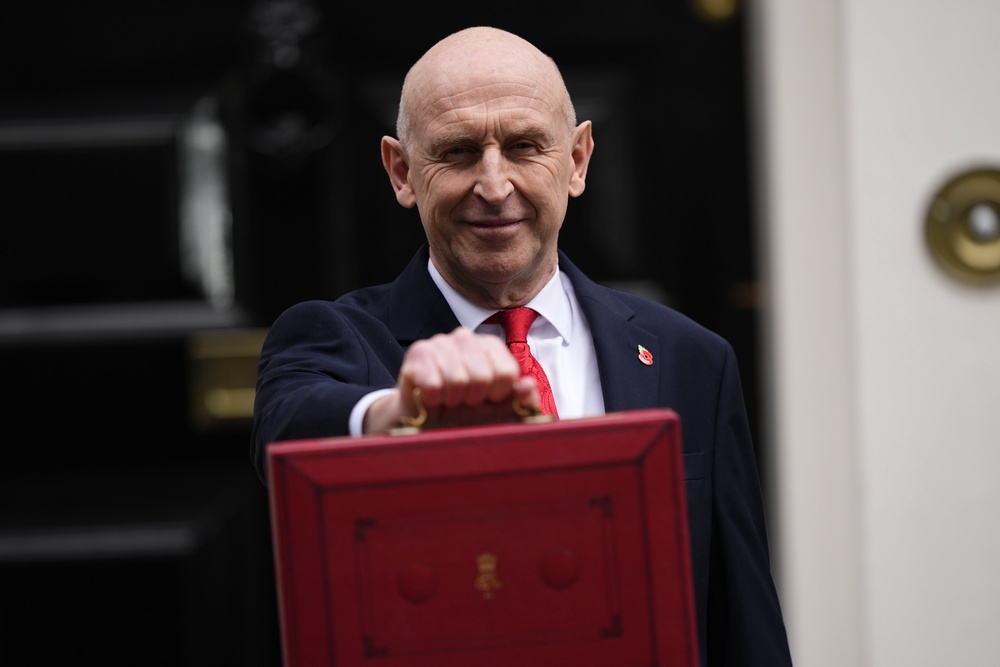
Chancellor John Healey’s Budget measure to double banking corporation tax surcharge from 3 per cent to 6 per cent is set to come into force in January.
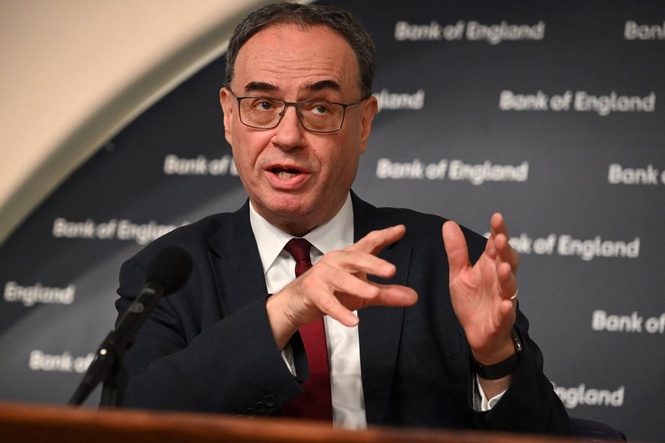
The government say the move will raise an extra £1.5bn for cost-of-living support, but Bank of England governor Mr Bailey has now said banks may pass on the additional cost to “protect their earnings”.
“It’s a market economy, so these are decisions banks will have to take,” Mr Bailey told The Times. “You could understand that they will look to pass it on because they will be targeting a rate of return.
“Now, how successful they will be depends on all sorts of things: market conditions, competition within the industry and so on. It wouldn’t be surprising to find out that they will start by trying to do that.”
Mr Healey pressed ahead with the bank levy in last month’s Budget despite opposition from banking chiefs.
He said the measure was temporary and would be in place for 15 months, marking a less severe change than some in the industry had feared.
Mr Healey said he was asking “a bit more of our banks to support ordinary people”, with the extra money raised set to help fund support for household energy bills.
But Mr Bailey’s intervention comes as around a million homeowners are set to see their monthly mortgage payments jump by £200 next year.
Chief Economist at the Institute of Economic Affairs (IEA), Dr Valentin Boboc, said the government risks “making the cost-of-living crisis worse” by implementing the tax hike.
“Andrew Bailey is right to highlight what the IEA has long warned: businesses may pay taxes, but people ultimately bear the cost,” he said.
“Higher taxes on banks risk higher borrowing costs for households and businesses and lower returns for savers.
“The irony is that the Government risks making the cost-of-living crisis worse through the very taxes it is raising to address it.”
Former shadow chancellor Sir Mel Stride said the government should “stop trying to tax its way out of trouble” as he warned measures will “fall on ordinary people”.
“The Governor has said out loud what everyone already knew,” he told The Independent.
“Bank taxes are not paid by faceless institutions. They fall on ordinary people through dearer mortgages, tighter lending to small businesses and poorer rates for savers.
“With families already worried about mortgages and energy bills, taking money from them through their banks to fund support for them makes no sense. The government should stop trying to tax its way out of trouble, get a grip on spending and set out a proper plan for growth.”
Mortgage rates have been edging higher in recent months, with the Bank hiking its base rate to 4 per cent last month to tackle rising inflation in the UK economy.
The latest Financial Stability Report, published on Thursday, showed more households are now projected to see increases in mortgage repayments over the next three years.
Around 6.5 million are expected to see payments rise by an average of about £100 a month – around double the amount projected by the Bank in its last report in July.
Many households are facing a substantially larger jump, with more than one million currently on mortgage rates below 3% and due to refinance by the end of next year.
They are facing an average increase of nearly £200 a month when they remortgage on to an average 5.5 per cent rate.
About 430,000 households can expect to see their payments go up by more than £500 a month over the next three years, the new projections showed.
At the same time, average household energy bills are set to jump by 26 per cent in January to an average of £2,166-a-year due to war-driven wholesale price spikes, outstripping the government’s £100 support payment for households in council tax bands A to D.
Policymakers have cautioned they may have to raise rates further in the coming months if energy prices stay elevated.
Lib Dem Treasury spokesperson Daisy Cooper MP said big banks had raked in a billion pounds a week this year, well above their own forecasts, thanks to higher interest rates and can “more than stomach paying their fair share”.
She added: “Customers will rightly vote with their feet if lenders try to pass this modest rise onto them. The real reason millions of families are facing soaring mortgage bills is years of Conservative economic chaos, compounded by a Labour government with no serious plan to grow our economy.”
Submit your questions below and join me, Karl Matchett, for the Ask Me Anything Q&A on Friday 27 November, from 12pm to 1pm GMT. I'll try to answer as many as I can within the hour!
Please note we cannot offer advice specific to your situation or recommend specific mortgage products.
If you’re struggling to post, please make sure you are logged in to a registered account on independent.co.uk. Register or log in here – then return to this page to submit your question!
Read MoreHomeowners delaying decisions to move home over rising mortgages
Labour MPs warn Burnham not to approve Rosebank oil field
Homeowners poised for Christmas mortgage pain as interest rates could rise again
Banks may pass £1.5bn tax hike on to customers, Bank of England chief warns
The UK is retreating from tackling the causes of conflicts – making wars more likely
DWP takes pensions and benefits systems offline after cyber incident