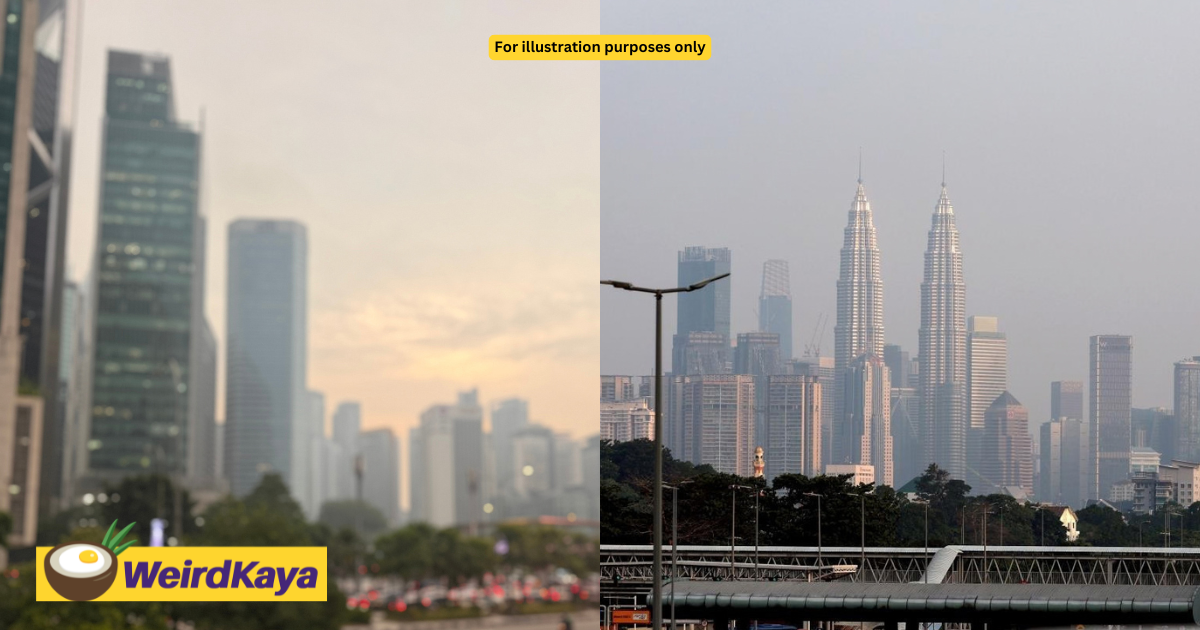
Greenpeace Malaysia urges stronger peatland protection, clean-air laws and corporate accountability as climate change threatens to intensify haze risks.
SCIENTISTS have warned that severe “Godzilla El Niño” conditions will increase the risk of drought, forest fires and transboundary haze across Southeast Asia.
A few years ago, Greenpeace Malaysia launched the “Haze-zilla” campaign to highlight how peatland destruction and unsustainable land-use practices contribute to haze.
Today, climate change threatens to intensify this challenge. Haze is not merely an environmental issue; it has also become a public health crisis, an economic burden and a threat to the well-being of millions of Malaysians.
Every major haze episode affects millions of Malaysians through respiratory illnesses, school disruptions, reduced productivity and increased healthcare costs.
We welcome the Natural Resources and Environmental Sustainability Ministry’s emphasis on early preparedness, inter-agency coordination, peatland fire prevention and readiness measures. These efforts are important steps towards reducing haze risks and protecting public health.
In this regard, we would like to offer additional recommendations to strengthen Malaysia’s preparedness.
Protecting peatlands
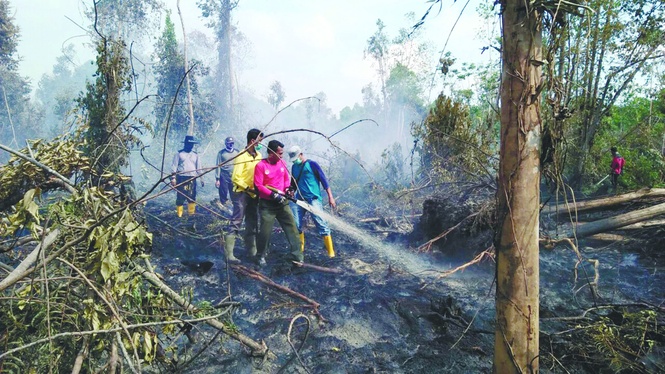
One of the most effective ways to prevent haze is to protect and restore peatlands. Healthy peatlands reduce fire risks, support biodiversity and store significant amounts of carbon.
When degraded, they become highly vulnerable to fire, particularly during droughts, generating smoke that affects millions of people.
Protecting and restoring peatlands is a public health, climate and economic priority that can help reduce greenhouse gas emissions and strengthen natural carbon storage.
We recognise the ministry to continue strengthening peatland protection and restoration efforts, particularly in fire-prone areas that are most vulnerable during prolonged dry periods.
There needs to be efficient systems capable of identifying wildfires and diligent monitoring of these areas to ensure early detection and rapid response, which is critical for minimising damage.
Enact a Clean Air Act to address transboundary haze
As recommended by the Human Rights Commission of Malaysia (Suhakam) and advocated by Greenpeace Malaysia through its Haze-zilla #TakNakJerebu campaign, Malaysia should enact a comprehensive clean-air legislation that addresses transboundary air pollution.
Such a legislation could hold Malaysian citizens and businesses accountable when their overseas operations contribute to haze pollution, deter irresponsible practices that increase the risk of fires and reinforce public confidence that environmental responsibility extends across borders.
Malaysia has acknowledged that cross-border environmental legislation is possible. The opportunity now is to build on this recognition and take the necessary steps to turn it into reality.
Driving responsible business practices
The haze crisis is also a matter of corporate accountability and governance. Some companies with Malaysian interests operating in the region have faced scrutiny over activities linked to peatland degradation and increased fire risks. This highlights the importance of strong environmental governance and accountability throughout supply chains.
Malaysia can demonstrate regional leadership by promoting responsible plantation practices and ensuring that Malaysian-linked companies uphold the highest environmental standards wherever they operate.
Strong accountability measures can strengthen public trust, improve market confidence and reinforce Malaysia’s reputation as a responsible and sustainable producer in global markets.
Champion environmental rights in Asean
While the Asean Agreement on Transboundary Haze Pollution remains an important framework, further efforts are needed to address recurring haze episodes.
Malaysia can continue to play a constructive role in advancing environmental rights, regional cooperation and accountability across Southeast Asia.
The National Action Plan on Business and Human Rights and the National Planetary Health Action Plan are putting Malaysia on the right track.
Strengthening these efforts will help prevent cross-border environmental harm, improve corporate accountability and better protect communities from pollution and ecological degradation.
The transboundary haze crisis has persisted for far too long. Future generations deserve clear skies, a healthy environment and sustainable livelihoods, not recurring seasons of smoke and pollution.
Years ago, we warned about haze-zilla. Today, climate change threatens to turn that challenge into a “Godzilla El Niño”.
Many of the solutions are already known. What is needed now is a decisive action to implement them. The question is not whether another haze season will come but whether we can act early enough to reduce its impact on people, communities and the environment.
By protecting public health, safeguarding forests and peatlands and strengthening environmental accountability, Malaysia can help ensure a cleaner, healthier and more resilient future for all.
The time to act is now, before the next haze arrives.
Heng Kiah Chun
Country Representative
Greenpeace Malaysia