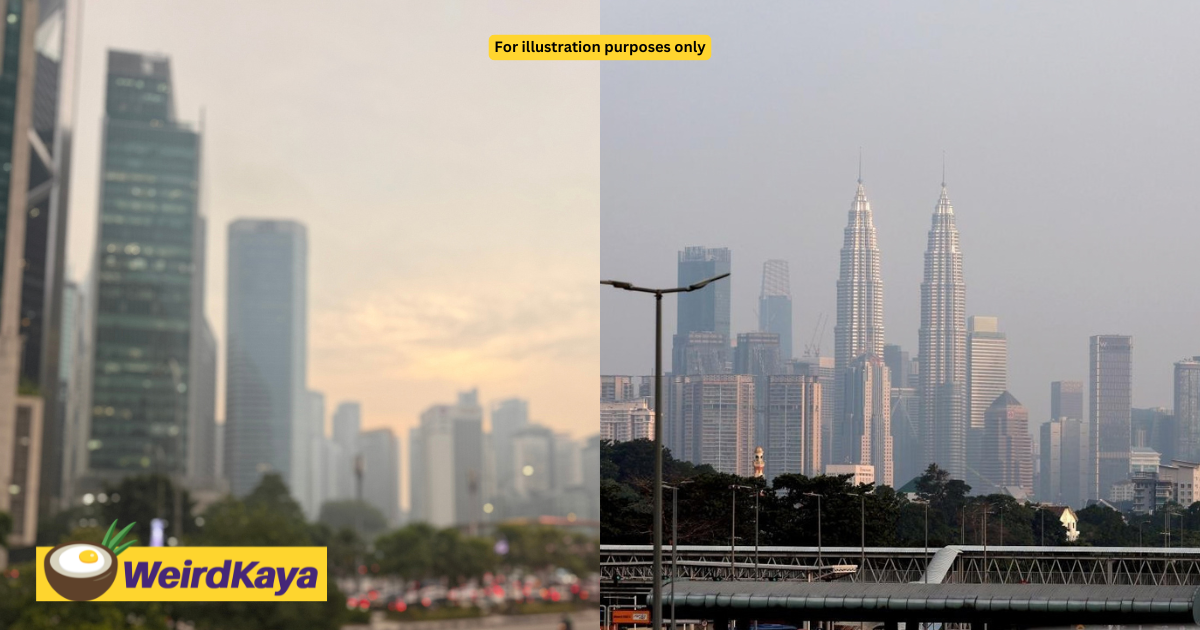
Malaysians may have to put up with hazy skies for a little longer, as the country braces for prolonged hot and dry weather.
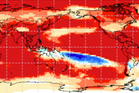
Natural Resources and Environmental Sustainability Minister Datuk Seri Arthur Joseph Kurup said the El Nino phenomenon is expected to intensify into a Super El Nino from October 2026 until January 2027.
Its effects could persist until June 2027.
Higher risk of open fires

Reported by NST, the southwest monsoon and El Nino are contributing to lower rainfall as well as hotter and drier conditions.
The prolonged dry spell could increase the risk of open fires, particularly in fire prone areas, and potentially worsen the haze.
He added that haze episodes in Malaysia would typically last between one and two months before weather conditions returned to normal.
However, the stronger El Nino conditions could cause the current situation to last longer.
Malaysia offers assistance to Indonesia
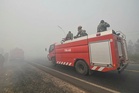
Arthur also said Malaysia would assist Indonesia in tackling forest and land fires, including by providing aerial firefighting capabilities.
Malaysia reportedly offered its assistance through a letter sent to Indonesia’s environment minister on Sept 9. The offer was later accepted by Indonesian President Prabowo Subianto.
The assistance is aimed at fighting forest fires in Kalimantan, where more than 1,400 hotspots have been detected.
Malaysia’s offer includes water bombing operations using helicopters, firefighting support using amphibious aircraft and cloud seeding operations.
Arthur said both countries would jointly determine the form and scope of the assistance based on conditions on the ground.
The operation would be coordinated by the National Disaster Management Agency and involve the Fire and Rescue Department, Malaysian Maritime Enforcement Agency, Malaysian Meteorological Department and Royal Malaysian Air Force.
Long term measures to prevent haze
Deputy Prime Minister Datuk Seri Dr Ahmad Zahid Hamidi previously announced that Indonesia had accepted Malaysia’s offer to help extinguish the forest fires that caused haze to persist for several weeks.
Malaysia also agreed to participate in long term planning to prevent recurring haze caused by forest fires in Sumatra and other parts of Indonesia.
Arthur said coordination efforts began in June through a National Haze and Dry Weather Main Committee meeting.
The meeting served as a platform to prepare the country for hot and dry weather, open burning and possible transboundary haze that could affect public health, public wellbeing and the economy.
Malaysia and Indonesia have also agreed to explore further bilateral cooperation and finalise a memorandum of understanding on environmental and climate change matters.
Arthur added that his ministry had written to the Asean secretary general on Aug 21, urging member countries to strengthen their preparations and take action to prevent fires that could cause transboundary haze pollution.
READ ALSO:
M’sian In Indonesia Sees City Turn Orange From Haze, Says Air Smelled Burnt As Reading Hit 980