Finding the right pair of glasses is about more than choosing a stylish frame. Whether you are updating your prescription, looking for designer eyewear or arranging an eye examination for your child, choosing the right optical shop can make a meaningful difference to your overall experience.
With numerous optical shops across Kuala Lumpur and Selangor, consumers have plenty of options, from independent neighbourhood opticians to established optical retailers and international eyewear chains.
However, not every optical shop offers the same range of services, examination procedures or eyewear expertise.
So, what should you look for when choosing an optical shop in Malaysia? Here are some important factors to consider before making your next purchase.
1. Look Beyond the Frames: Professional Eye Care Matters
One of the first things to consider is whether the optical shop provides professional eye examinations conducted by qualified optometrists.
In Malaysia, optometrists and opticians are regulated by the Malaysian Optical Council. Their qualifications and permitted services differ, so ask who will examine your eyes and whether the practitioner is registered. Choose a professional whose scope and experience match the assessment you need.
A comprehensive eye examination may involve more than determining whether someone is short-sighted or long-sighted. Depending on the patient’s needs and the equipment available, it may also include assessments of eye coordination, eye pressure and other aspects of ocular health.
It is also worth asking how much time is allocated for an examination, particularly if you have specific concerns such as persistent headaches, blurred vision or difficulty adapting to new glasses.
2. Consider the Eye Examination Equipment Available
While traditional vision testing remains essential, certain instruments can provide additional information that may not be apparent through a standard prescription test alone.
Depending on the optical practice, equipment may include autorefractors, slit lamps, tonometers for measuring intraocular pressure and instruments for assessing the length of the eye.
For children experiencing progressive myopia, axial length measurements can be particularly useful when monitoring changes over time.
However, more equipment does not automatically mean better care. The knowledge and experience of the professional interpreting the results are equally important.
Before booking an appointment, consumers can ask which examinations are included, whether additional tests are necessary and if any extra charges apply.
3. Choose an Optical Shop That Understands Your Lifestyle
Someone who spends long hours working on a computer may have different visual requirements from a person who drives frequently, enjoys outdoor activities or regularly switches between near and distance vision.
For example, progressive lenses may be appropriate for some individuals who require assistance seeing at multiple distances. Others may benefit from dedicated occupational lenses designed for particular working distances.
Factors such as bridge fit, temple length, frame weight and lens positioning can influence how comfortable a pair of glasses feels throughout the day.
A knowledgeable optical professional should be able to explain the advantages and limitations of different lens designs and frame materials without automatically recommending the most expensive option.
Consumers should also feel comfortable asking questions about lens coatings, warranties, replacement policies and whether their chosen frames are suitable for their prescription.
4. Designer Eyewear: Authenticity, Quality and After-Sales Support
While brand recognition and design are important considerations, customers should also pay attention to authenticity, materials, comfort and after-sales service.
Purchasing from a reputable retailer can make it easier to obtain information about product authenticity, adjustments, warranty coverage and replacement parts.
Some premium frames require careful fitting, particularly rimless designs, lightweight metal frames and eyewear with specialised components.
It is therefore worth checking whether the retailer provides adjustments after purchase and whether repairs or replacement components can be arranged when necessary.
Ultimately, the most suitable frame is not necessarily the most expensive one. It is the pair that fits comfortably, supports the required lenses and suits the wearer’s preferences.
5. Children’s Eye Examinations Deserve Special Attention
Children may not always recognise or communicate changes in their eyesight.
Some may sit unusually close to screens, squint when looking at distant objects or experience difficulty seeing classroom materials.
Myopia, commonly known as short-sightedness, is an important concern among school-aged children, particularly in many East and Southeast Asian populations.
Parents looking for an optical shop should consider whether it has experience examining children and explaining vision changes in an age-appropriate manner.
Certain practices also offer myopia management services, which may involve monitoring prescription changes and axial length over time.
Depending on the child, evidence-based management options may include specially designed spectacle lenses, contact lenses or other treatments under appropriate professional supervision.
Parents should understand that not every child requires the same approach. A suitable management plan depends on the child’s age, prescription, progression and individual circumstances.
If an examination suggests an eye health problem requiring medical assessment, referral to an ophthalmologist may be necessary.
6. Where Can You Find Optical Shops in Kuala Lumpur and Selangor?
Kuala Lumpur and Selangor offer many optical shopping destinations, each catering to different customer preferences.
Areas such as Bangsar, Mid Valley, Damansara Uptown, Petaling Jaya and major shopping malls throughout the Klang Valley provide access to optical retailers offering prescription eyewear, sunglasses and eye examination services.
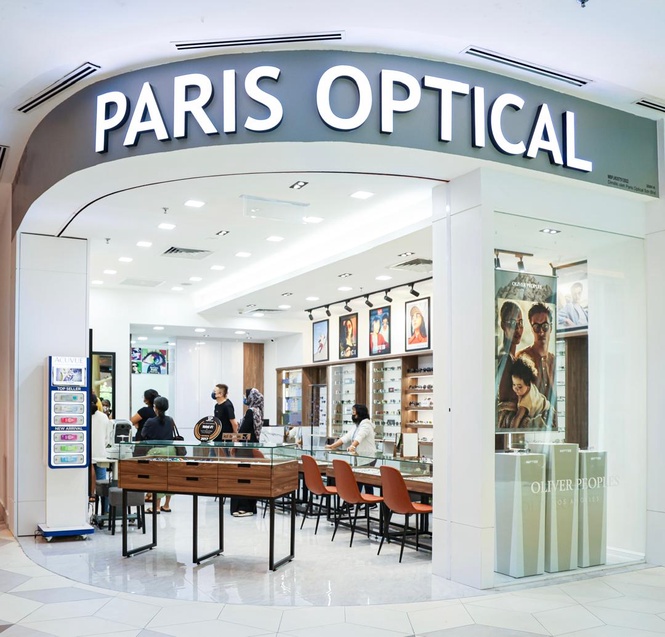
For those who prefer an established independent retailer, Paris Optical Malaysia is one example worth considering.
Paris Optical, whose published company registration dates to 1993, lists outlets in Bangsar, Kuala Lumpur, and The Starling Mall in Damansara Uptown, Petaling Jaya.
The retailer offers prescription eyewear, eye examinations and a selection of international eyewear brands. Its services also include children’s vision assessments and myopia-related examinations.
Its Bangsar outlet is located along Jalan Telawi 3, while its second outlet serves customers around Damansara Uptown and surrounding Petaling Jaya neighbourhoods.
Rather than choosing a retailer based on location alone, it is worth comparing the services available and confirming whether an appointment is recommended.
7. Don’t Overlook After-Sales Service
New eyewear may require minor adjustments, particularly during the first few weeks of use.
Frames can gradually loosen, nose pads may need repositioning and certain prescriptions may require an adaptation period.
Before purchasing, ask whether the optical shop provides complimentary adjustments, what its warranty covers and how it handles concerns about visual comfort.
Good after-sales support is not necessarily about offering the longest warranty. Clear communication, reasonable policies and the ability to resolve fitting concerns are equally valuable.
8. Questions to Ask Before Choosing an Optical Shop
Before making your decision, consider asking the following:
- Will my eyes be examined by a qualified optometrist?
- What does the eye examination include?
- Are additional tests available if needed?
- Which lens options are suitable for my prescription and lifestyle?
- Are frame adjustments and after-sales services included?
- What happens if I experience difficulty adapting to my new glasses?
These questions can help you compare optical shops more meaningfully, rather than focusing exclusively on price or promotional offers.
Frequently Asked Questions
How often should adults have their eyes examined?
The appropriate interval depends on age, medical history, eye health and individual risk factors. Many adults benefit from periodic examinations, while people with certain conditions or symptoms may require more frequent assessment. An optometrist can advise on a suitable schedule.
What is the difference between an optometrist and an optician?
Optometrists and opticians have different qualifications and professional scopes. In Malaysia, both are regulated by the Malaysian Optical Council. Ask which registered practitioner will assess your eyes and provide the services you need.
Where can I get an eye examination in Bangsar?
Bangsar has several optical retailers offering vision-related services. Paris Optical, located along Jalan Telawi 3, is one option. Customers should confirm the examinations available and whether an appointment is required.
Are expensive glasses always better?
Not necessarily. Price may reflect frame materials, branding, lens technology and design. The most appropriate glasses depend on prescription accuracy, lens suitability, comfort and individual needs.
Can optical shops detect glaucoma or cataracts?
Some optical practices offer screening assessments that may identify signs associated with these conditions. However, screening is not the same as a definitive medical diagnosis. An ophthalmologist should assess suspected eye disease.
Final Thoughts
Choosing an optical shop in Kuala Lumpur or Selangor involves more than finding an attractive frame or a competitive price.
Professional qualifications, examination procedures, suitable lens recommendations, frame fitting and reliable after-sales support all contribute to a positive eyewear experience.
Whether visiting a neighbourhood optical shop, a major retail chain or an established independent practice, consumers should feel confident asking questions and understanding the services they receive.
Taking the time to choose a suitable optical professional can help ensure that your eyewear meets both your visual needs and everyday lifestyle.
This is a consumer guide, rather than a ranking of optical retailers. Services, stock and appointment availability can change; confirm details with the practice before visiting.
The post Best Optical Shops in Kuala Lumpur & Selangor: What Should You Look for When Choosing an Optician? appeared first on TallyPress.