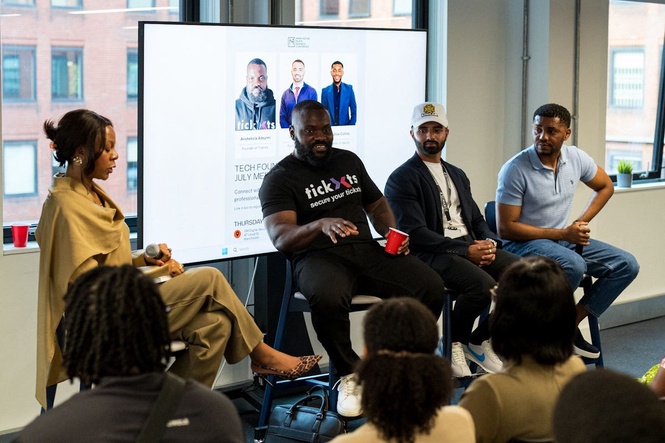
From professional networking to long-distance running, Black-led community groups are creating spaces where people can connect over shared experiences, build friendships and see themselves represented.
For many, these groups offer more than simply somewhere to socialise. They can provide opportunities to make professional connections, discover new interests and meet people who understand aspects of their culture and lived experiences.
To mark Black History Month this October, here are two communities doing just that.
AfroSocial: creating connections beyond the workplace
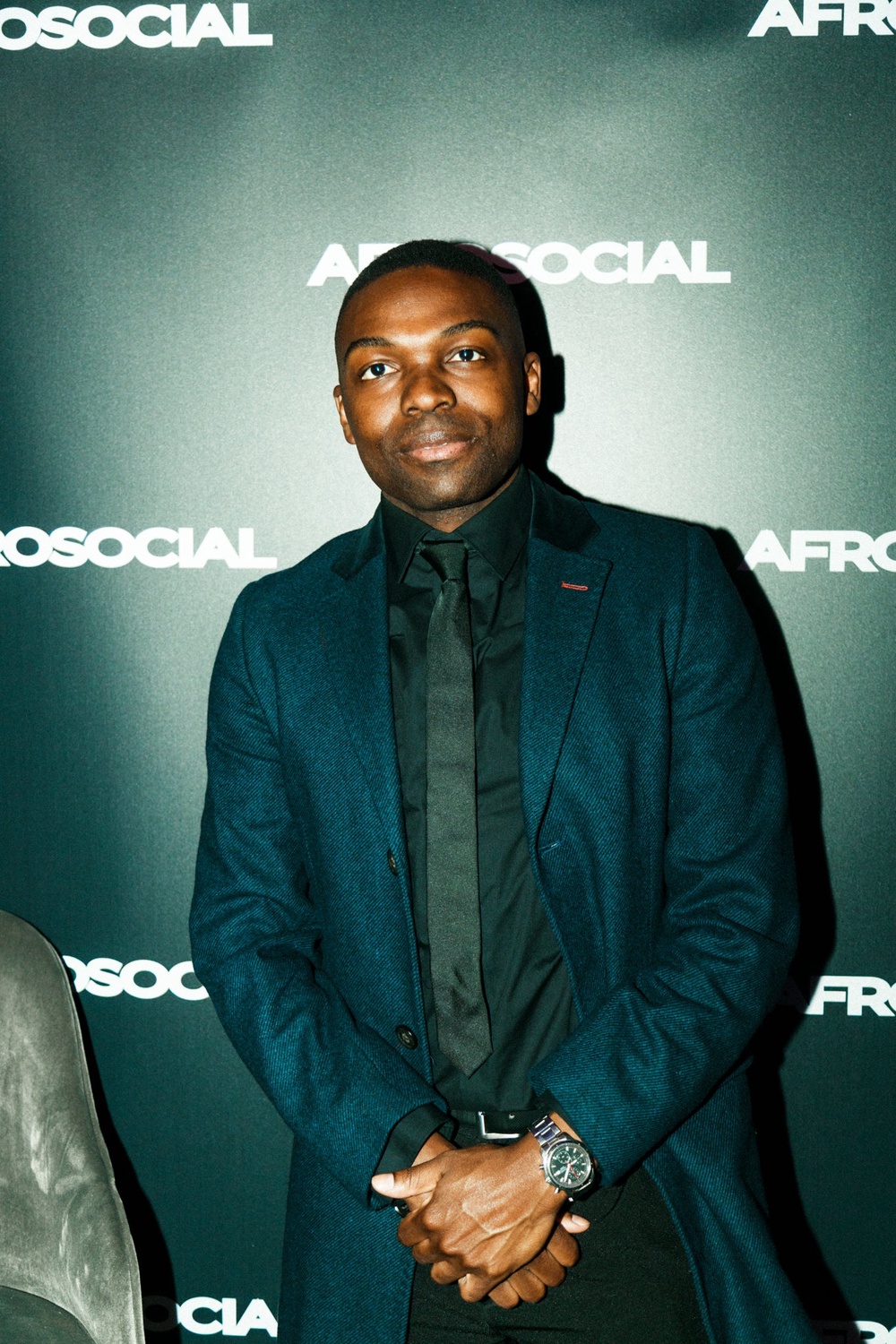
AfroSocial, a professional and social network, was initially created by David Chipfupà and a friend in Manchester in 2024 as somewhere for remote workers and people working in technology to meet and collaborate.
What began with small meet-ups in co-working spaces has since grown into a professional networking community primarily for African and Afro-Caribbean people, with communities in Manchester, Birmingham and London, as well as events in Australia, Duabi and the USA.
“Primarily what we look to do is help the Black professional and business owners connect with each other,” Chipfupà explains.
“We also introduce them to difference experiences that are not traditionally seen as ‘for Black people’ such as hiking, golf and Pilates – so we are primarily like a first base.”
The organisation has expanded significantly. “We went from one event a month to an average of five or six now within different areas,” he says.
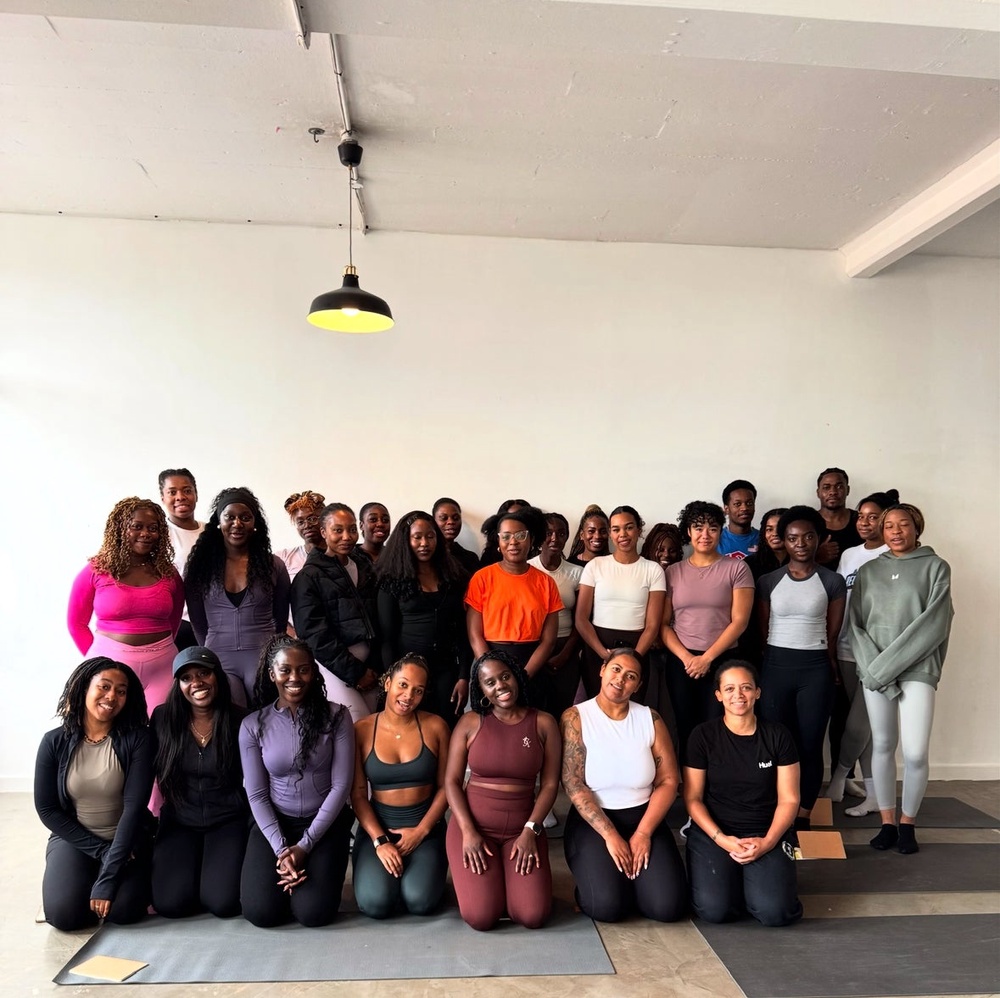
People arrive at AfroSocial for different reasons. Some want to network within the industry, while others are business owners hoping to promote their work find collaborators or simply meet new people.
Chipfupà says: “A lot of them will come to us because we have a range of events where they can actually meet people in a less stuffy environment and it’s more natural and less awkward.”
Having a space filled with people who you may share things with can also make forming those relationships easier.
“Sometimes you’re more likely to connect with someone who comes from your background – whether it’s ethnicity, heritage, food, culture, music,” Chipfupà says.
“I find one thing is people get inspired. Especially if they’re new to the country or new to the industry and the representation isn’t there.
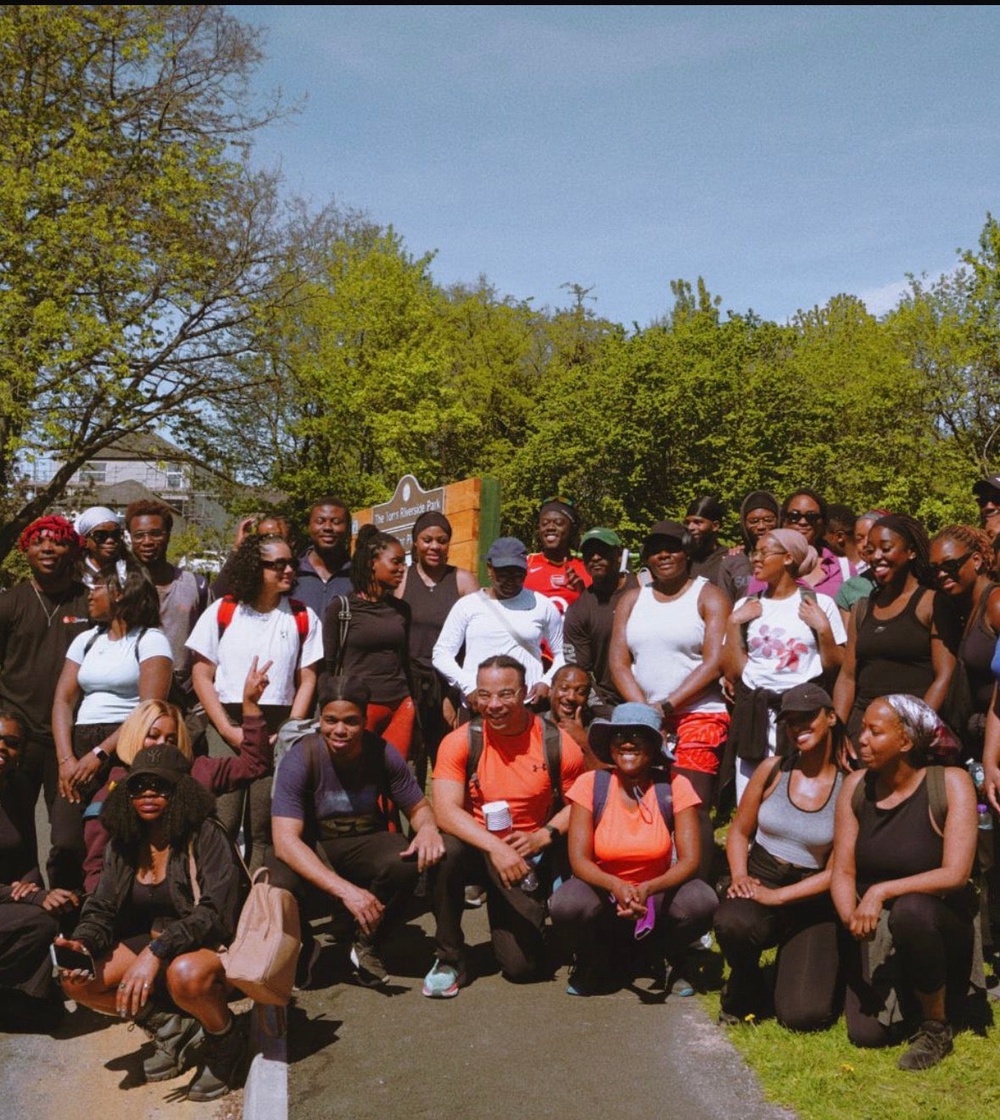
“Sometimes they need to see someone who looks like them in order to feel comfortable or actually even ask questions that they might not be able to ask their counterparts.”
Those connections have produced tangible results, from friendships and job opportunities to relationships.
Looking ahead, Chipfupà hopes AfroSocial can use what it has learned from its community to make an impact beyond its own events. The group has already worked with employee resource groups struggling to engage Black and minority ethnic employees,
“I hope it not only does what we’re doing now, but we get more into working with local authorities and the government in terms of giving the data that we have, sharing and giving recommendations.”
Respect The Pace: Changing what a runner looks like
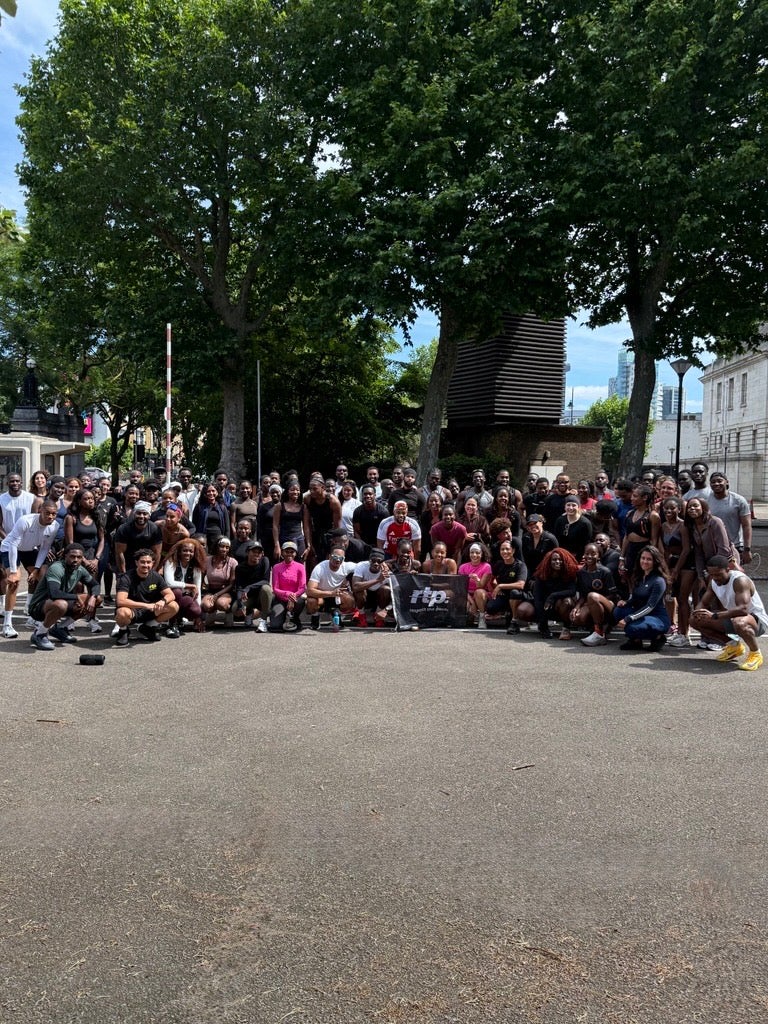
For Respect The Pace (RTP) co-founders Moisés Fernando, Sope Ashaye, Michael Lemoru, Rydan Giraudy and Olu Odunlami, representation and community are being built through running.
“RTP is a long run group that focuses on making long runs accessible social and fun,” Fernando explains.
“We run three weekends of the month and the first weekend is usually a social run. Throughout those, we try to make the runs at an easy pace and we always stick to respecting the pace – making sure we run the paces that we set.”
The group was born after its founders noticed fewer run clubs specifically focused on longer distances.
While there are other running groups representing Black communities, he believes having multiple spaces where people can see runners who look like them is important.
“One doesn’t believe that they can do something until they see someone like them doing it,” he says. ”
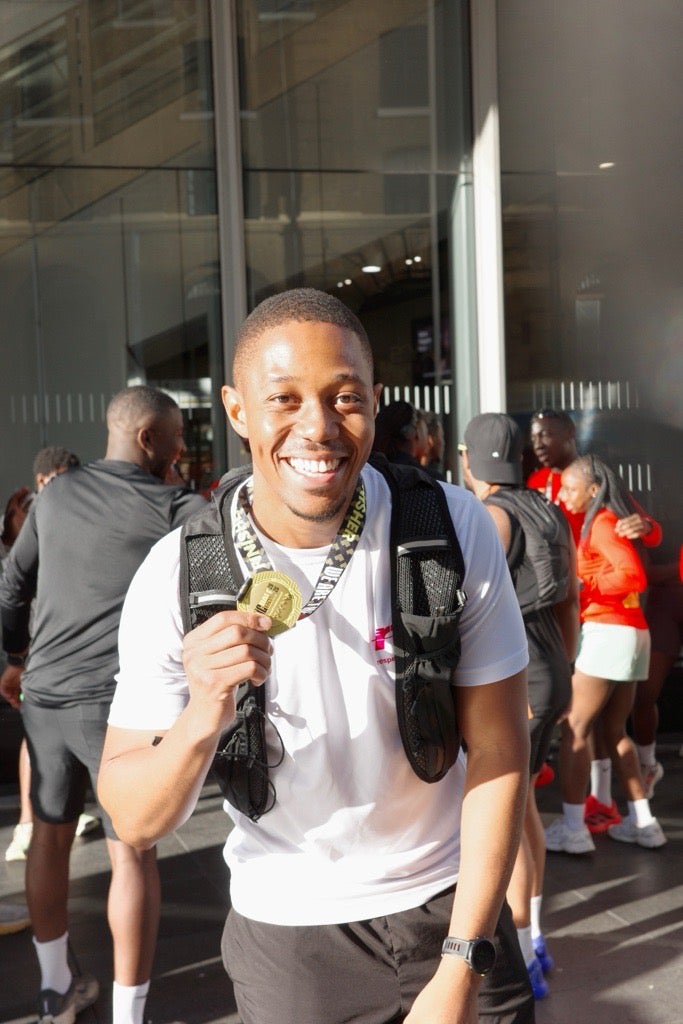
“I’m speaking for myself too – if I see someone that’s just like me doing something, I feel even more inclined to do it better or just like them.”
“We have people from so many different backgrounds of Black culture,” he adds.
“I think we allow people to connect to different cultures in that sense and get to learn how these different cultures are interconnected – there’s that sense of curiosity.”
Ultimately, Fernando hopes the group can help broaden people’s ideas about both running and what they can get from it.
“I also hope personally that RTP shows people that not every single race they do has to be about a PB,” he says.
“It’s also where you can go to socialise, meet people and shows what you can get when you create a community you have been looking for.”
For London-based, RTP member Davina Nylander, joining the group has changed both her relationship with long-distance running and her social circle.
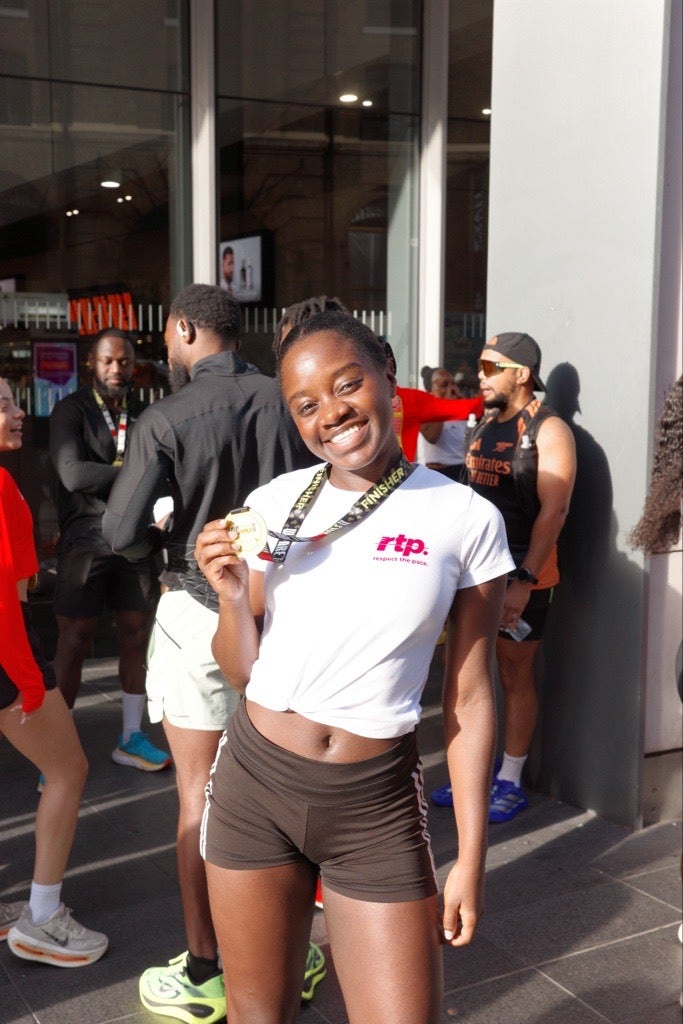
She joined towards the end of last year, when around 15 people were taking part.
“I picked up the courage and joined,” Nylander says. “I’ve basically seen them build from the ground up since then and it’s amazing to see from a small community that’s really grown but still maintained that essence and community feel.”
Having not done long-distance running for a while, she remembers finding that first session difficult.
“It was great to be there. Everyone was really supportive but I found it really tough,” she says.
“It’s interesting to look back now because that distance is so much easier after the work I’ve done with them.”
Running alongside other people has since made tackling longer distances more achievable.
“I recently did the Big Half marathon and I definitely wouldn’t have done that without RTP.”
However, some of the most significant changes have happened away from running.
Nylander says friendships formed during miles spent running and talking across London have become part of her life outside the club.
“It’s actually quite a blessing to be able to make and form these new connections as an adult,” she says. “We don’t have the same kind of networks and opportunities to meet the people you do when you’re at school and university, so spaces like this are so precious.”
Read MoreLondon is getting a 500-capacity Italian restaurant with 300 pizzas an hour
Why we are all suddenly happy to pay £5 for a slice of pizza
Six new London restaurant openings worth knowing about this week
London is getting a world-first feast from two Michelin-starred Texas BBQ stars