THE Bureau of Customs (BOC) said on Saturday it renewed partnership with the International Trade Center (ITC), a joint agency of the World Trade Organization and the United Nations.
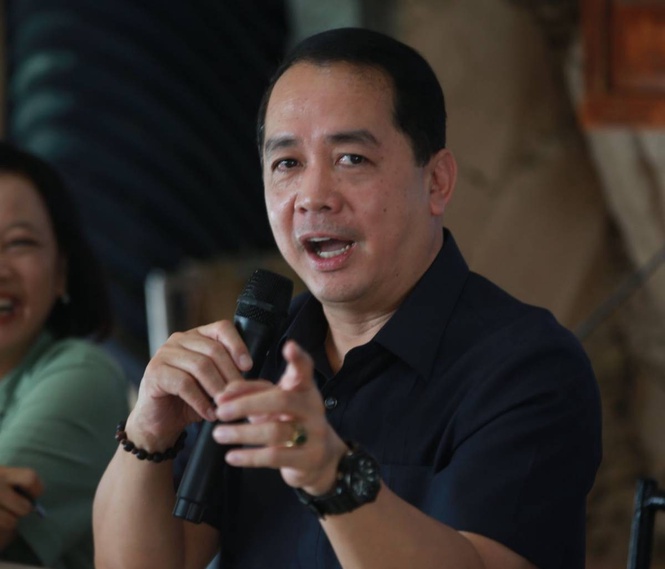
BOC Commissioner Ariel Nepomuceno said top bureau officials met with key ITC representatives last week and lengthily discussed priorities for the digitalization of cross-border e-commerce.
He said the partnership, under the Joint Program on Inclusive, Competitive, and Responsible Digital Philippines, will support the BOC’s efforts to modernize customs processes, facilitate legitimate trade, strengthen border security, and enhance revenue collection.
Deputy Commissioner Agaton Uvero of the BOC’s Assessment and Operations Coordinating Group cited the need for customs procedures and systems to keep pace with the continued growth of e-commerce.
Uvero said the discussions focused on international developments in de minimis treatment, the BOC’s existing manual processes for e-commerce clearance and statistical reporting, and the need to harmonize customs procedures across relevant freeports and economic zones.
The BOC also underscored the importance of distinguishing between high- and low-risk shipments and developing clearance procedures that are responsive to the unique characteristics of e-commerce transactions.
In line with the broader agenda of President Ferdinand Marcos Jr.’s administration to advance digitalization and facilitate trade, the BOC and ITC, in collaboration with other concerned government agencies and stakeholders, aim to make cross-border trade processes clearer, more efficient, and more accessible to micro, small, and medium enterprises, the top agency officials said.
Through the partnership, Nepomuceno said the BOC and ITC will map the end-to-end cross-border e-commerce clearance processes at the Port of Clark and Ninoy Aquino International Airport.
The findings will help identify practical improvements in customs procedures, risk management, and digital systems, the BOC chief said.
The BOC said that it would continue working to enable businesses to participate in e-commerce with greater ease while maintaining effective customs controls as trade volumes continue to grow.