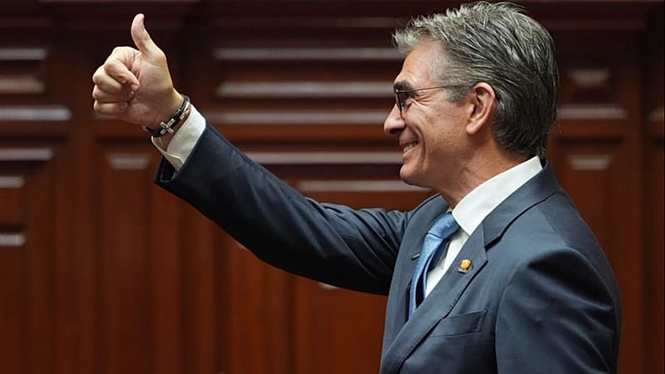
Bolivian lawmakers approved a $1.9 billion (€1.65bn) loan agreement with the International Monetary Fund on Friday, delivering the conservative government a key victory in its efforts to ease the country's deep economic crisis as unions threatened to renew protests.
Just hours after Congress approved the loan, President Rodrigo Paz announced an immediate end to subsidies for the diesel powering Bolivia’s trucks, buses and tractors — a step towards meeting IMF demands.
Gasoline, used mainly in private cars, would remain subsidised for now, though Paz had already scaled back that support in recent months.
The Bolivian Senate ratified the IMF agreement a day after the lower house approved it, clearing the final legislative hurdle for the three-year financing programme aimed at replenishing dwindling foreign reserves and stabilising an ailing economy marked by high inflation and weak growth.
The IMF first announced the staff-level agreement in July after months of negotiations with Paz’s market-friendly government, which took power last year after nearly two decades of socialist rule as part of a wave of new Latin American leaders allied with the Trump administration.
The programme still requires approval from the IMF’s executive board before funds can be disbursed. Economy Minister Christian Morales told senators that the deal would give other lenders, including the World Bank and the Inter-American Development Bank, greater confidence in the government and help it secure about $5 billion in additional financing.
But the assistance is conditioned on tough economic measures, including the elimination of fuel subsidies, that threaten to reignite unrest in Bolivia, where weeks of road blockades in June and July paralysed much of the South American nation as protesters demanded Paz’s resignation.
Congress on Thursday extended for another 90-days a state of emergency that Paz had declared to clear roads during the protests. It allows for military intervention and the suspension of some civil liberties to quell unrest.
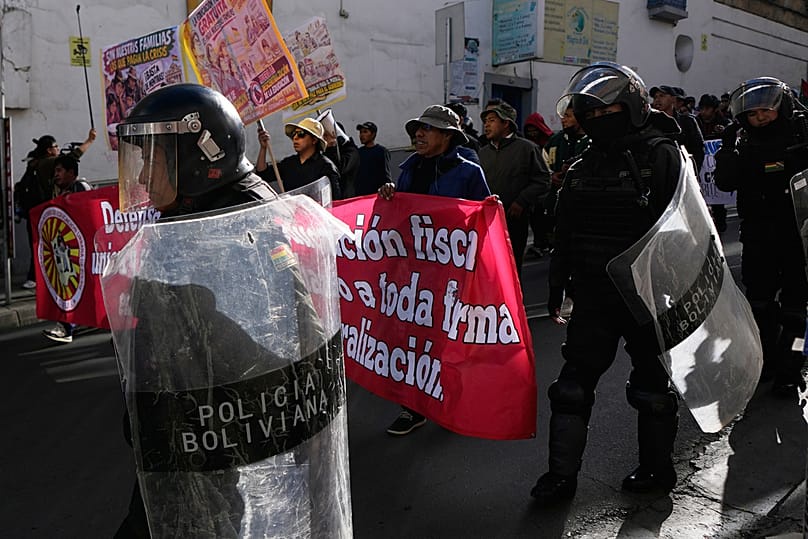
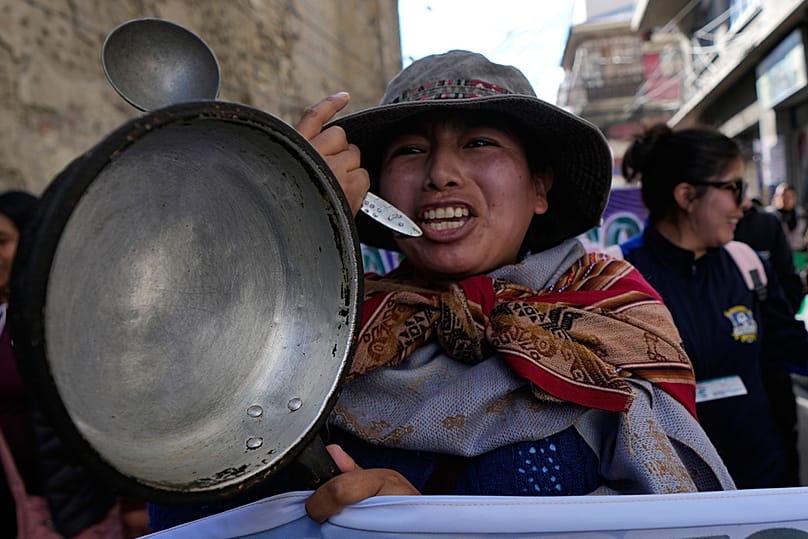
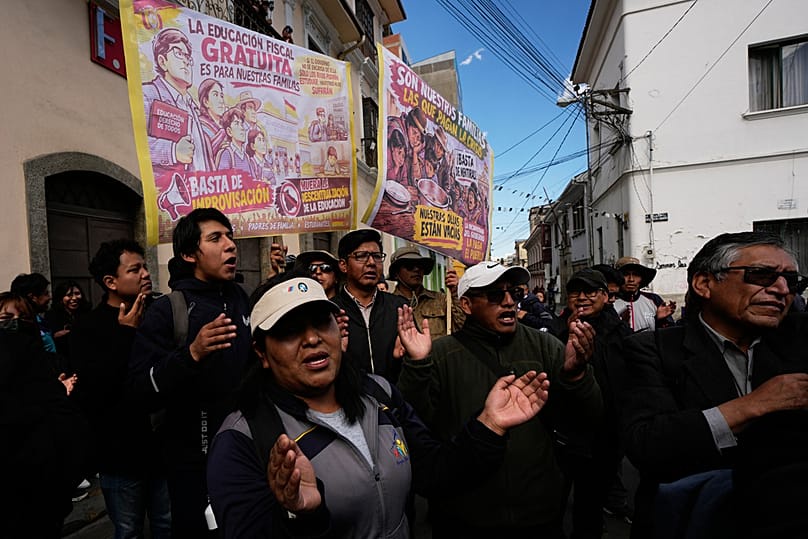
The Bolivian Workers’ Central, the country’s main labour federation, and other unions have voiced fierce opposition to the IMF loan, warning that the government spending cuts required under the deal would drive up living costs and deepen hardship for low-income and struggling families.
Although Paz’s Christian Democratic Party lacks a majority in Congress, the centrist and right-wing lawmakers that dominate both chambers rallied behind the deal.
The Movement Toward Socialism, the party that dominated Bolivian politics after the former coca growers’ union leader Evo Morales won the presidency in 2005, now holds just two of the 130 seats in the lower house and none in the 36-member Senate.
Declining natural gas exports have deprived Bolivia of billions of dollars it had relied on previously to import gasoline and diesel, contributing to chronic fuel shortages that began in 2023 and have persisted under Paz.
The Iran war dramatically surging global oil prices have made fuel subsidies even more burdensome and dug the country into a deeper financial hole.
“No one can buy something expensive and sell it cheap,” Paz said in his late-night declaration that diesel in Bolivia would now be sold at international prices.
To cushion the blow, he announced about $79 million (€68.8m) in cash assistance for approximately 2.9 million Bolivians, along with loans on preferential terms for truckers, small businesses and producers facing the new higher diesel costs.
He pledged to redirect subsidy spending toward schools, hospitals and roads.
Paz also promised the change would end the country’s persistent diesel shortages, which have disrupted harvests and delayed deliveries of imported goods.
“With this measure, we guarantee supplies 24 hours a day, seven days a week,” he said.