

Noise, an omnipresent aspect of modern life, has the potential to disrupt the tranquility of both urban and rural environments. As industries continue to grow and expand, the issue of environmental noise becomes increasingly critical. Boundary noise monitoring, a facet of environmental noise monitoring, plays a pivotal role in maintaining a balance between industrial progress and the well-being of surrounding communities.
Understanding Environmental Noise and Its Impacts
Environmental noise encompasses unwanted sounds from various sources, such as industrial facilities, transportation, and domestic premises. The adverse effects of noise pollution range from public annoyance to potential hearing impairment. To address and mitigate these issues, regulatory frameworks like "The Planning Guidelines for Environmental Noise Limits and Control," as published by the Department of Environment, establish standards for permissible noise levels.
According to these guidelines, noise disturbance can manifest in different ways, including endangering safety or health, causing annoyance or disturbance to a reasonable person, intruding onto personal or real property boundaries, and exceeding specified ambient sound level limits. Compliance with these standards is essential to ensure the well-being of both individuals and the environment.
The Role of Boundary Noise Monitoring
Boundary noise monitoring is a systematic approach to assess and manage noise levels in the vicinity of industrial facilities. The primary objectives of this monitoring process include:
Ensuring Safety and Health: Monitoring noise levels helps identify situations where sound may pose a threat to the safety and health of humans and animals. By promptly addressing such issues, industries can mitigate potential risks and create a safer working environment.
Addressing Annoyance and Disturbance: Noise that annoys or disturbs individuals of normal sensitivities can lead to a decline in quality of life. Boundary noise monitoring assists in identifying and mitigating sources of noise that may adversely affect the surrounding community, promoting harmonious coexistence.
Preventing Intrusion onto Property Boundaries: Industrial activities often generate noise that can intrude onto personal or real property boundaries. Monitoring enables industries to identify and rectify such instances, respecting the rights and tranquility of neighboring properties.
Compliance Assessment: Regular monitoring facilitates the assessment of compliance with prescribed noise limits. This is crucial for industries to adhere to regulatory standards and demonstrate their commitment to environmental responsibility.
Environmental Impact Assessment: Boundary noise monitoring is an integral part of environmental impact assessments. By understanding the potential impact of industrial activities on the surrounding environment, industries can implement measures to minimize their footprint and contribute to sustainable development.
Community Response and Engagement: Monitoring noise levels fosters community engagement. By actively addressing concerns related to noise pollution, industries can build trust within the community, promoting a collaborative approach to environmental stewardship.
The Process of Boundary Noise Monitoring
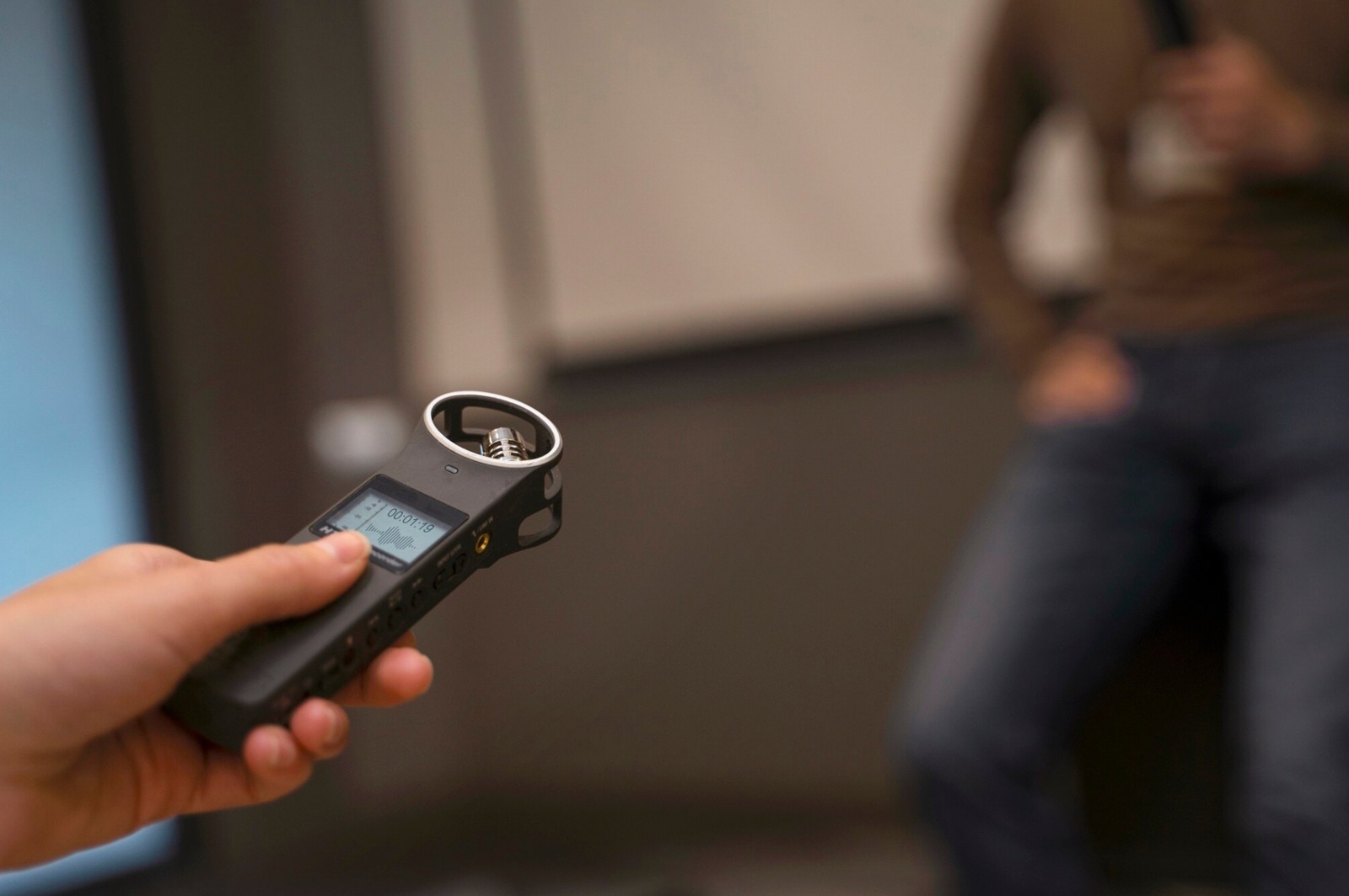
The process of boundary noise monitoring involves the use of specialized equipment to measure and analyze sound levels in the vicinity of industrial facilities. This typically includes the deployment of sound level meters and sensors strategically placed to capture noise data at relevant locations.
Continuous monitoring during both day and night allows for a comprehensive assessment of noise levels over time. The collected data can be analyzed to identify patterns, assess compliance with regulatory standards, and pinpoint specific sources of excessive noise.
Additionally, advancements in technology have led to the development of automated monitoring systems that provide real-time data, enabling industries to respond promptly to any deviations from permissible noise levels. This proactive approach enhances the effectiveness of noise management strategies.
Challenges and Solutions in Boundary Noise Monitoring
While boundary noise monitoring is essential for maintaining environmental harmony, it is not without its challenges. Some common challenges include:
Variability in Noise Sources: Industrial facilities often have multiple noise sources with varying intensities. Monitoring these sources individually can be complex, requiring sophisticated analysis techniques.
Weather Conditions: Weather conditions, such as wind speed and direction, can influence the propagation of sound waves. Monitoring systems must account for these factors to ensure accurate and reliable data.
Data Interpretation: Interpreting noise data requires expertise. Industries may need to collaborate with environmental consultants or specialists to analyze and understand the implications of the collected data.
Integration with Operational Practices: Incorporating effective noise monitoring into daily operational practices can be challenging. It requires a commitment from industries to prioritize environmental considerations alongside production goals.
To address these challenges, industries can invest in training programs for staff, adopt advanced monitoring technologies, and collaborate with experts in noise management and environmental science.
Stakeholders who can conduct Boundary Noise Monitoring for Industry
Environmental Engineering Firms: Firms specializing in environmental engineering often have dedicated teams that focus on noise monitoring and control. These professionals can assess industrial sites, implement monitoring programs, and provide recommendations for noise mitigation measures. Environmental engineering firms play a crucial role in ensuring that industrial activities align with environmental regulations.
In-House Environmental and Health & Safety Teams: Larger industrial facilities may have in-house environmental and health & safety teams responsible for managing various aspects of compliance, including noise monitoring. These teams can utilize their expertise to implement monitoring programs, assess data, and recommend strategies to minimize noise impact.
Certified Noise Consultants: Individuals or firms certified as noise consultants may offer their services for Boundary Noise Monitoring. Certification ensures that these professionals have met specific industry standards and possess the necessary skills to assess, analyze, and address noise-related issues.
Conclusion
Boundary noise monitoring is a critical component of responsible industrial practices. By proactively assessing and managing noise levels, industries can not only comply with regulatory standards but also contribute to a more sustainable and harmonious relationship with the surrounding environment and communities. Investing in advanced monitoring technologies, fostering community engagement, and prioritizing environmental responsibility will pave the way for a future where industrial progress coexists seamlessly with the well-being of both people and the planet.
When considering Boundary Noise Monitoring for Industry, it is essential to choose experienced and qualified professionals or entities with a track record in environmental acoustics and regulatory compliance. This ensures accurate assessments, adherence to standards, and the implementation of effective noise management strategies.
AmsafeOSHConsultancy is a content creator under the Newswav Creator programme, where you get to express yourself, be a citizen journalist, and at the same time monetize your content & reach millions of users on Newswav. Log in to creator.newswav.com and become a Newswav Creator now!
The User Content (as defined on Newswav Terms of Use) above including the views expressed and media (pictures, videos, citations etc) were submitted & posted by the author. Newswav is solely an aggregation platform that hosts the User Content. If you have any questions about the content, copyright or other issues of the work, please contact Newswav.
