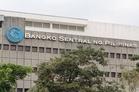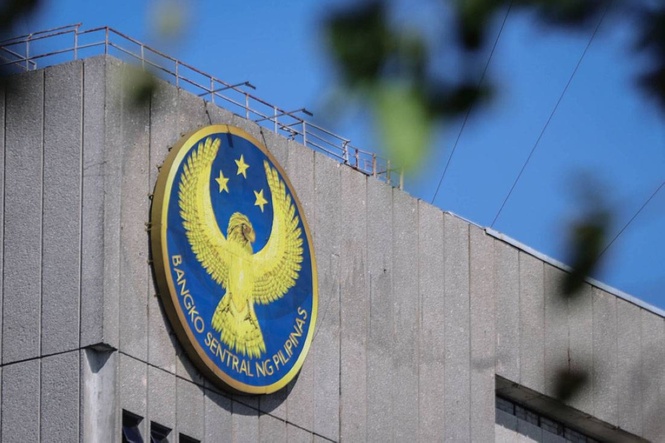
SLOWING economic growth could prompt the Bangko Sentral ng Pilipinas (BSP) to start monetary easing in the second half of 2027 to support economic growth as the Philippines is among the Asian economies that international bank ING sees as having the strongest case for rate cuts.
“Moderating inflation gives most Asian central banks scope to ease policy in the second half of next year, with Australia and the Philippines offering the strongest cases for rate cuts to support growth,” ING said in its Asia Outlook 2027 report on Monday.
ING said that policy easing was urgent in these economies as policymakers could shift focus from inflation to supporting growth.
“The Philippines has seen growth moderate following an aggressive tightening cycle, while Australia is likely to face a softer growth backdrop,” ING said.
Gross domestic product (GDP) growth markedly slowed to 2.1 percent in the third quarter of this year, down from 4.0 percent in the same period last year.
ING said this could strengthen the case for easing as the effects of previous interest rate increases continue to weigh on economic activity.
The BSP policymaking body Monetary Board has raised key interest rates by a cumulative 125 basis points since April in response to rising inflation driven by higher oil prices amid the Middle East conflict.
ING noted that the Philippines and Indonesia underperformed expectations this year, unlike export-oriented economies such as South Korea, Taiwan and Singapore, which benefited from strong technology-related exports and investment activity.
Higher energy prices also weighed on household purchasing power, while the Philippines faced additional economic headwinds from slower government spending amid political and corruption-related controversies.
The bank said the Philippines’ growth disappointment was primarily driven by policy and political uncertainty, which it expects to prove temporary.
It added that the country’s economic prospects could improve as these pressures ease, although the effects of previous monetary tightening are likely to remain a drag on activity into next year.
ING said real policy rates across much of Asia were already near the upper end of their historical ranges, increasing borrowing costs and weighing on consumption, investment and credit growth.
The outlook for monetary policy will also depend on the inflation trajectory, with ING expecting lower energy and food prices to help ease price pressures across much of the region in 2027.
The bank expects Brent crude oil prices to average around $77 per barrel next year, approximately 14 percent below 2026 levels, as a growing global supply surplus offsets geopolitical risks.
“The disinflationary impact should be most pronounced in oil-importing economies such as the Philippines and Singapore, where fuel has been a major driver of recent inflation pressures,” ING said.
The impact could be larger once indirect effects on transportation, services and other fuel-sensitive categories are considered, ING said.
“As lower oil prices feed through, these economies should experience some of the largest declines in inflation across the region,” it added.
ING expects inflation across most Asian economies to peak between the fourth quarter of 2026 and the first quarter of 2027, with more noticeable moderation beginning in the second quarter.
Food prices could also provide some relief as El Niño conditions are expected to fade in the second half of 2027, easing weather-related pressures on agricultural production.
However, the bank cautioned that food inflation risks remained tilted to the upside, with weaker global wheat and rice production potentially delaying the decline in prices.