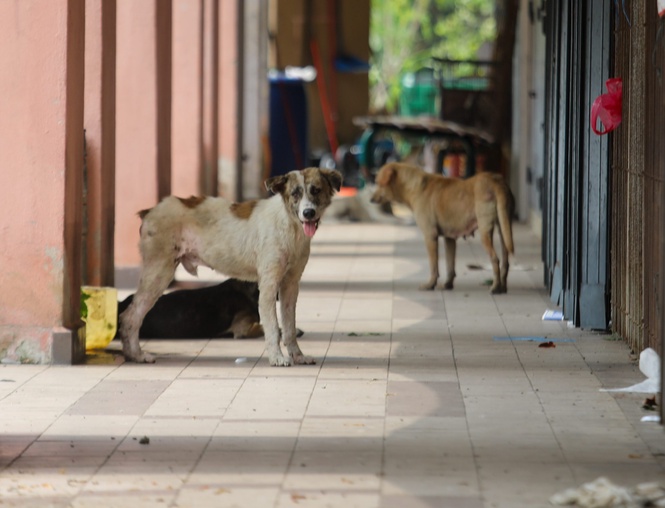
Budget 2027: SAFM calls for RM30m dedicated stray animal fund
PETALING JAYA: Budget 2027 should allocate at least RM30 million annually for a dedicated animal welfare fund to address Malaysia’s growing stray animal problem, with funding focused on prevention rather than repeatedly managing animals already on the streets, said Persatuan Haiwan Terbiar Malaysia (SAFM) president Kalaivanan Ravichandran.
He said the current funding structure remains insufficient as Malaysia does not have a dedicated national allocation specifically for stray animal population management and animal welfare.
READ MORE: Budget 2027 must look beyond income bands in Kuala Lumpur
READ MORE: Budget 2027: Anwar hints at special allocation for youths
“SAFM previously proposed RM20 million to RM30 million annually as a practical starting point. For Budget 2027, we believe RM30 million should be the minimum starting allocation for a dedicated animal welfare fund.”
However, he emphasised that the amount allocated was only part of the issue, saying the funding must be ring-fenced for programmes that produced measurable results.
He added that the allocation should cover large-scale sterilisation and vaccination, humane capture and transport, veterinary treatment, post-operative recovery, animal identification, adoption and rehoming, enforcement, as well as accountable support for qualified NGOs and shelters.
“Malaysia cannot keep spending money managing the consequences of the stray problem while underfunding prevention.”
He also said stray animal management should be viewed beyond animal welfare as it was linked to public health, rabies control, road safety and community safety.
Kalaivanan identified the lack of large-scale and continuous population management as one of the biggest gaps in Malaysia’s current system.
He said the country needed to move away from small, one-off sterilisation programmes towards coordinated efforts capable of local authority areas.
He added that sterilisation involved more than the operation itself, with programmes also requiring funding for humane capture, transport, veterinary assessments, vaccination, post-operative recovery, identification and follow-up.
“If funding only pays for the surgery but not the entire process, NGOs will still be expected to absorb the remaining costs.”
Kalaivanan said prevention must be the priority, adding that simply catching animals without addressing reproduction would not address the root of the problem.
“The objective should not be to catch more dogs. The objective should be to have fewer unwanted dogs being born every year.”
He added that continuously placing animals in pounds and shelters was also financially unsustainable, as every animal kept permanently required space, food, manpower, cleaning and veterinary care.
SAFM supports a comprehensive approach involving sterilisation, vaccination, humane population management, adoption, responsible pet ownership and identification, including Trap-Neuter-Vaccinate-Return programmes.
Kalaivanan said shelters should remain a safety net for injured, vulnerable, abandoned and non-returnable animals, rather than become Malaysia’s main population-control strategy.
He also called for greater direct government funding and grants for qualified animal welfare NGOs and shelters, adding that many were already carrying out rescue, sterilisation, vaccination, veterinary treatment, adoption and public education work that supported communities and government agencies.
However, he emphasised that such funding must be transparent and accountable.
He said organisations receiving public funds should meet requirements covering proper registration and accounts, acceptable animal welfare standards and reporting of measurable outcomes.
“Public funding should buy measurable animal-welfare outcomes, not simply finance overcrowding.”
On enforcement, Kalaivanan said Malaysia already had the Animal Welfare Act 2015, but enforcement agencies needed adequate manpower, technical support and operational resources to enforce it effectively.
He added that Budget 2027 should therefore provide for more trained animal welfare enforcement personnel, veterinary and technical support, investigation and evidence-gathering capabilities, vehicles and equipment, as well as temporary facilities for animals seized during investigations.
He also called for stronger coordination between the Veterinary Services Department, local authorities, police and recognised animal welfare organisations.
At the same time, Kalaivanan said irresponsible pet ownership must be addressed through stronger registration and permanent identification, including microchipping where appropriate, as well as action against abandonment, irresponsible breeding and repeated neglect.
“An abandoned pet could eventually become part of tomorrow’s stray population. Therefore, stray management cannot focus only on animals already on the streets.”
Kalaivanan said Budget 2027 presented an opportunity for Malaysia to move from reactive stray control towards preventive and humane population management, with the federal government, state governments, local authorities, veterinarians and NGOs working under a coordinated framework with clear responsibilities and measurable targets.
“Ultimately, Malaysia does not need another short-term campaign. We need a national system that prevents the problem from repeating itself year after year.