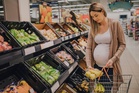
A quick trip to the supermarket can sometimes become an unexpected budgeting exercise. You walk in intending to buy a few essentials, but by the time you reach the cashier, the total is higher than expected. You begin putting items back, comparing prices and wondering whether there is a more affordable alternative. For many Malaysian families, this experience reflects a growing concern: how to make everyday income stretch further.
The cost of living is not measured by economic growth figures alone. It is also reflected in whether families can comfortably afford rice, vegetables, cooking oil, eggs and other necessities without sacrificing their savings or other important expenses.
Lower-income households are particularly vulnerable because a larger proportion of their income goes towards essential goods. When food and household expenses increase, they have less room to manage emergencies, education costs and medical bills. Even families with relatively stable incomes may feel financially pressured when several expenses rise together.
Budget 2027 presents an opportunity to address affordability through practical and targeted measures. Financial assistance can help eligible households manage essential expenses, but support should reach those who need it most. Clear eligibility requirements, accessible application processes and regular reviews can help ensure that assistance remains relevant as household circumstances change.

The government could also strengthen food security by supporting local farmers, improving agricultural productivity and reducing unnecessary inefficiencies in food distribution. Better storage facilities, transport networks and supply-chain management could help reduce food waste while improving the availability of fresh produce. Encouraging competition among retailers and making price information easier to access could also help consumers make informed purchasing decisions.
However, policy discussions should be grounded in real household experiences. A useful way to understand affordability is to compare the prices of five everyday grocery items across two supermarkets or different periods. Rice, eggs, cooking oil, chicken and vegetables could provide a starting point. Using actual receipts or verified prices would show how much consumers pay and whether cheaper alternatives are available.
Ultimately, the success of Budget 2027 should not be judged solely by the amount of assistance announced. It should also be measured by whether families experience meaningful relief in their daily lives.
Economic progress becomes more meaningful when ordinary Malaysians can buy what they need, manage their household budgets and face the future with greater confidence. Sometimes, the clearest sign of an effective budget is a family that no longer has to worry so much about its next grocery bill.

Have a take on #Budget2027? Turn your perspective into content, join the conversation, and stand a chance to win exciting cash prizes! Find out how to join here. T&Cs apply.
Jovy Jing (ndreagoh@gmail.com) is a content creator under the Newswav Creator programme, where you get to express yourself, be a citizen journalist, and at the same time monetize your content & reach millions of users on Newswav. Log in to creator.newswav.com and become a Newswav Creator now!
The User Content (as defined on Newswav Terms of Use) above including the views expressed and media (pictures, videos, citations etc) were submitted & posted by the author. Newswav is solely an aggregation platform that hosts the User Content. If you have any questions about the content, copyright or other issues of the work, please contact creator@newswav.com.