PUCHONG – As part of its ongoing commitment to advancing Selangor’s position as a leading digital and semiconductor hub in the region, the Selangor Information Technology & Digital Economy Corporation (Sidec) continues to engage with global innovation ecosystems to unlock new opportunities in deep technology, research collaboration, and talent development.
One such engagement focuses on Chennai, India—an emerging powerhouse in engineering excellence, advanced manufacturing, and deep-tech innovation. Known as one of India’s most dynamic metropolitan economies, Chennai has developed a strong ecosystem anchored by academia, industry, and high-impact startups.
Strengthening Ties with India’s Deep-Tech Ecosystem
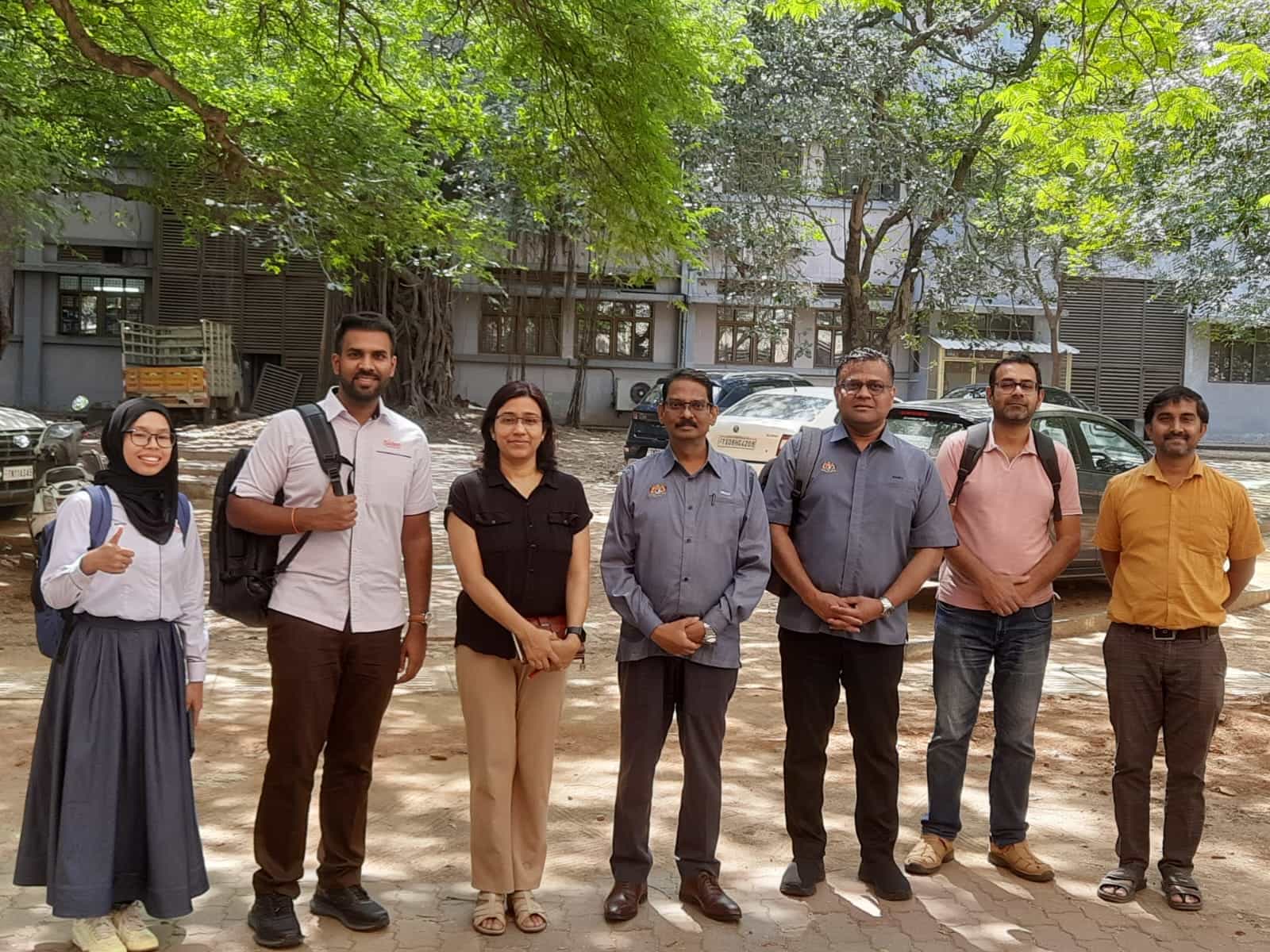
During the visit recently, the delegation engaged with leading institutions and innovation platforms in Chennai, widely recognised as one of India’s key engineering and manufacturing hubs.
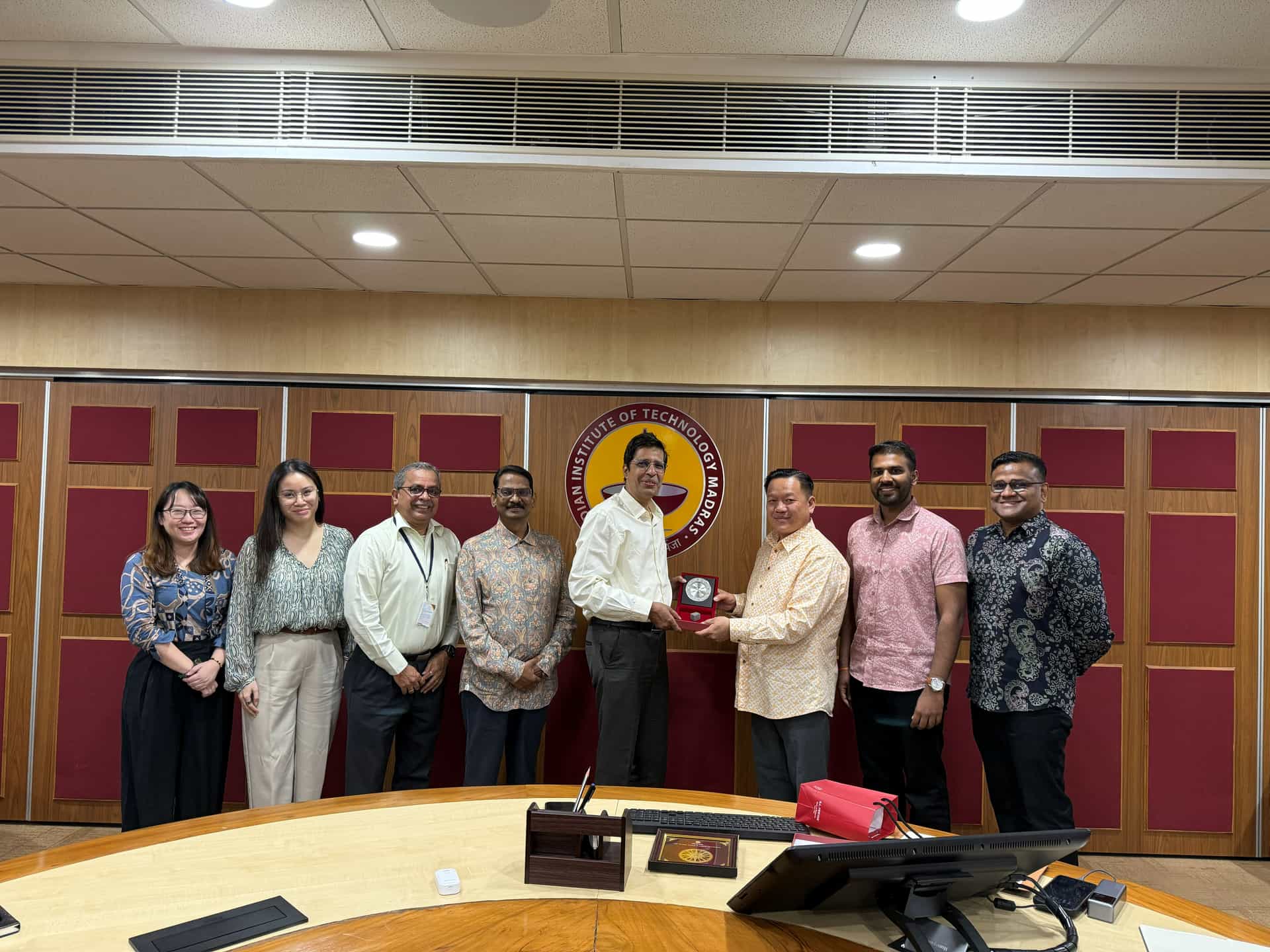
A key highlight was the engagement with the Indian Institute of Technology Madras (IIT Madras), where Sidec explored collaboration opportunities within its renowned research and innovation ecosystem. IIT Madras is home to a highly integrated ecosystem that brings together academia, startups, and industry to accelerate research commercialisation and deep-tech development.
The delegation was hosted at the Sudha & Shankar Innovation Hub and IITM Research Park, where discussions focused on:
● Deep-tech incubation and startup scaling
● Cross-border investment opportunities
● Industry-driven research collaboration
● Intellectual property (IP) development and commercialisation frameworks
Exploring Semiconductor and Advanced Technology Capabilities
The visit further highlighted strong alignment between Malaysia and India in advancing semiconductor design capabilities.
At IIT Madras, the delegation was introduced to emerging semiconductor innovations, including the development of high-performance system-on-chip (SoC) technologies based on open architectures such as RISC-V. These advancements reflect a growing global emphasis on strengthening local chip design capabilities and intellectual property ownership.
This aligns closely with Malaysia’s national agenda and Sidec’s flagship initiative, the Malaysia Semiconductor IC Design Park, which aims to accelerate the country’s transition towards high-value semiconductor innovation.
Showcasing Breakthrough Deep-Tech Innovations
The visit offered a first-hand look at cutting-edge deep-tech innovations shaping the future across multiple industries.
The working visit was led by the Deputy Secretary General (Macro) of the Ministry of Economy, in collaboration with the Selangor Information Technology & Digital Economy Corporation (Sidec) and the Advanced Semiconductor Academy of Malaysia (ASEM).
At the IITM Incubation Cell, the delegation was briefed on IIT Madras’ deep-tech startup ecosystem, followed by in-depth discussions on semiconductor innovation and ecosystem development.
The delegation also engaged with leading startups within the ecosystem—Merkel Haptic Systems Pvt Ltd and Satori XR—through interactive demonstrations of AR/VR/XR technologies, highlighting the growing role of immersive solutions across industries.
Such engagements reflect the increasing global interest in collaborative semiconductor ecosystem development, as well as the role institutions like IIT Madras can play in driving innovation partnerships.
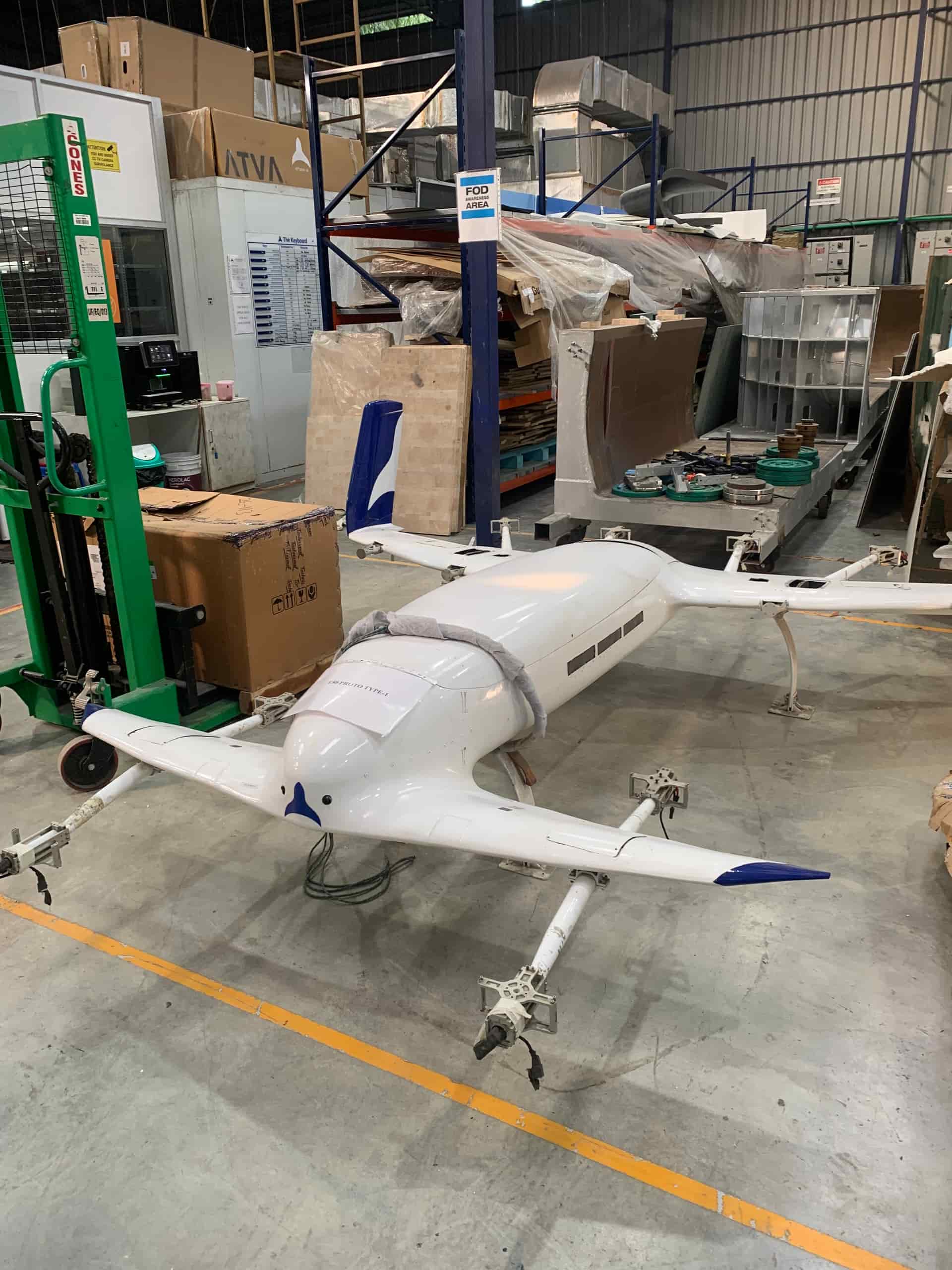
Urban Air Mobility
Engagement with ePlane Co highlighted the development of India’s first electric flying taxi such as e200X designed to transform intra-city mobility through cleaner, faster transportation solutions.
Space Technology
A visit to Agnikul Cosmos showcased advancements in small satellite launch vehicles and next-generation propulsion systems, reflecting India’s growing capabilities in the space sector.
Next-Generation Transport
The delegation gained insights into hyperloop development, including Asia’s first test track, demonstrating the potential of ultra-high-speed transportation powered by advanced engineering aimed at redefining long-distance logistics.
Advanced Materials & Electronics
Exploration of next-generation LED emitters and material innovation research underscored the role of deep-tech in driving efficiency and performance across electronic applications.
These engagements highlight the rapid growth of India’s deep-tech ecosystem and its relevance to Malaysia’s own innovation ambitions.
CO2 Capture Demonstrator by Energy Consortium
The delegation had the opportunity to observe the CO₂ capture demonstrator developed by the Energy Consortium at IIT Madras, which represents a significant advancement in scaling carbon capture technologies for industrial decarbonisation. The demonstrator serves as a pilot platform where researchers and industry partners can test and validate carbon capture solutions under real-world operating conditions, effectively bridging the gap between laboratory research and practical deployment. This initiative highlights IIT Madras’ strong commitment to innovation and supports efforts to reduce emissions from hard-to-abate sectors such as power generation and heavy industry, while fostering collaboration between academia, industry, and government in advancing the transition toward a low-carbon economy.
From Research to Commercial Impact
A key takeaway from the visit was the strong emphasis on translating research into real-world applications.
Platforms such as IIT Madras’ Industry Consultancy and Sponsored Research (IC&SR) demonstrate how structured frameworks can successfully bridge academia and industry, with over 700 industry partners and significant investment in research commercialisation.
In addition, emerging technologies such as immersive virtual reality, haptics, and AI-powered visualisation are being actively deployed across sectors including healthcare, manufacturing, and training—showcasing strong commercial potential.
Driving Future Collaboration
The visit underscores several strategic priorities for Selangor’s digital economy:
● Strengthening ecosystem-driven innovation through public-private collaboration ● Expanding cross-border partnerships to unlock investment and market access ● Building industry-aligned talent pipelines to support high-growth sectors ● Enhancing commercialisation frameworks to maximise research value
Advancing Selangor as a Regional Innovation Hub
As Sidec continues to expand its global engagement efforts, partnerships with leading ecosystems such as Chennai will play a critical role in accelerating Selangor’s growth in semiconductors, artificial intelligence, and deep technology.
Through initiatives such as the Malaysia Semiconductor IC Design Park, Sidec remains committed to building a future-ready, innovation-driven economy—positioning Selangor as a key player in the regional and global technology landscape.