
Almost 50 people have died in segregation in Britain’s prisons over the past decade, The Independent can reveal, as governors face calls to stop putting vulnerable inmates in isolation.
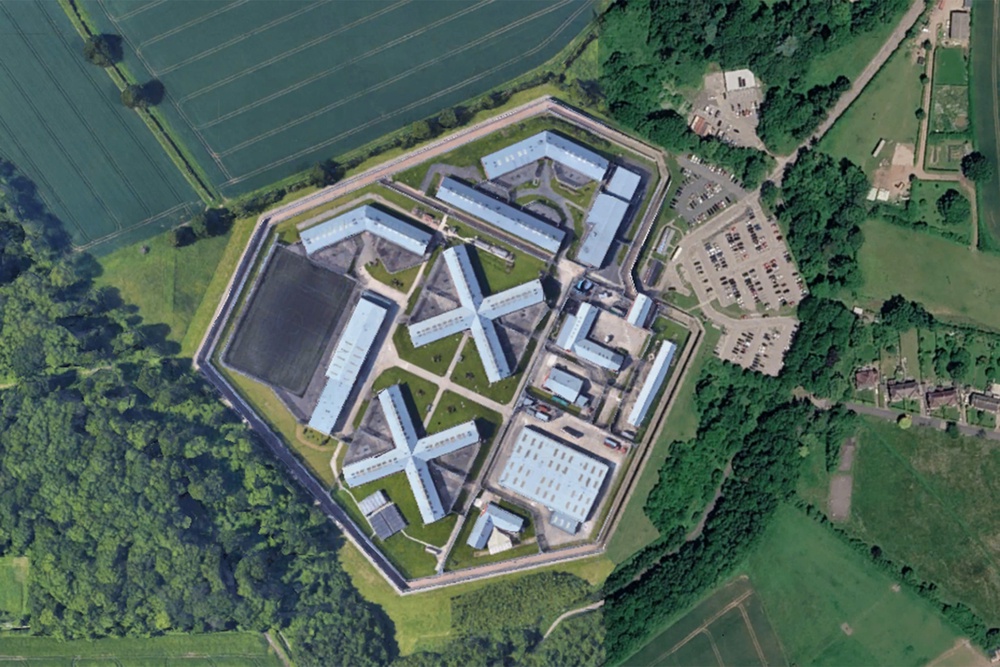
Matthew Osborne, 39, had spent 54 days in a segregation unit when he took his own life at scandal-hit HMP Lowdham Grange in November 2023.
His sister said his death had left the family “broken” and believes his mental health severely deteriorated in isolation. He was supposed to be closely monitored but at one point he received just three minutes of human contact in a three-day period.
“I think most people wouldn’t last 54 days by themselves with nothing,” Jasmine Osborne told The Independent, adding it would have been “torture”.
“I think even the most healthy minds would have fractured at some point.”
She demanded a review of the use of segregation after freedom of information requests showed her brother was among 49 people to die in isolation in prisons in England and Wales between 2015 to 2025.
In 2024, as the prison overcrowding crisis was taking hold, deaths in segregation units soared to 12 – the equivalent of one a month.
“I do feel like there’s a clear correlation between segregation and his deterioration that led to his passing,” she added. “Long periods of isolation would be enough to tip anyone over the top.”
" width="500">An inquest into his death concluded multiple failings and neglect contributed to Mr Osborne’s suicide in the Care and Separation Unit (CSU) at the then privately-run prison in Nottinghamshire, which was later taken over by the Ministry of Justice after a string of tragedies.
The prisons and probation ombudsman, Adrian Usher, believes some of the recent deaths in segregation were avoidable.
He has previously warned that segregation should only be used for struggling prisoners in exceptional circumstances. He issued a bulletin earlier this year after discovering that eight out of 11 recent deaths in segregation involved prisoners who were being monitored under suicide and self-harm procedures.
“Our data shows that the number of deaths recorded in segregation units have been higher in the past two years, particularly due to the marked increase in 2024,” he told The Independent.
“Some of these deaths would have been avoidable and vulnerable people should not be held in segregation unless absolutely necessary”.
The charity Inquest, which supported Ms Osborne, said segregation creates a “prison within a prison” which isolates people from vital human contact and its use must be phased out.
“Inquest's casework repeatedly lays bare that people with mental ill health are being inappropriately segregated against prison rules, with fatal consequences,” added Jessica Pandian, senior policy and communications officer.
“Almost 50 deaths in segregation over the past decade are an indictment of its overuse. Segregation must be phased out, and reliance on it indicates a failing system."
Mr Osborne, 39, was moved to the segregation unit in October 2023 after he was involved in a number of altercations, which staff believed he initiated as a form of self-harm. He had already made three attempts on his own life at the category B prison, which had recently undergone the first ever private-to-private transfer as Sodexo took over operations.
Governors have the power to confine prisoners to segregation for up to 72 hours for discipline or for the prisoner’s protection, after which cases must be reviewed every 14 days by a Segregation Review Board. Segregating a prisoner beyond 42 days must be authorised by senior leadership, usually a prison group director.
Policies also state that inmates like Mr Osborne, who was being monitored under suicide and self-harm procedures called Assessment, Care in Custody and Teamwork (ACCT), should only be segregated in “exceptional circumstances”.
The inquest jury found Mr Osborne was segregated unlawfully for the last nine days of his life because the exceptional circumstances were not met.
His sister said Mr Osborne, who used to love staying active and enjoyed meeting new people, rapidly declined as he was shut off from human contact.
“In his time in segregation, Matthew was described as shouting in his cell saying things that didn’t make sense,” she told The Independent. “He was found under his bed. These aren’t scenes of someone who’s well.
“I do find it quite hard to understand why he wasn’t given the proper support that he needed. I do feel that everything that I heard at the inquest, Matthew was treated as a disciplinary problem more than someone who was losing his mind.”
The inquest found the prison falsified records of his ACCT monitoring checks, which were supposed to take place three times an hour.
On 25 November, there were no observations of him between 2.32pm and 4.22pm, during which time ended his life. The segregation staff who were supposed to be monitoring him were watching television to “keep track of the football reporting”, the inquest heard.
He was also housed in a cell which did not meet basic standards, including a lack of mattress, the coroner said in a prevention of future deaths report.
Although prison rules state that inmates must never be subjected to a regime which amounts to solitary confinement – being confined alone for 22 hours a day without human contact – Mr Osborne’s cell door was open for less than three minutes in the three days before his death.
Neither was he provided with adequate distraction materials. He had no radio, TV or reading or writing material and was last seen staring at the cell wall before he died.
Ms Osborne, 39, said her brother was deprived of care and human comfort while he was “locked in four small walls while he’s mentally unravelling”.
“Matthew wasn’t given meaningful interaction,” she said. “At one point he only had three minutes in a period of three days. What would you expect the outcome to be? It’s like having a caged animal.”
She said suicidal prisoners should not be isolated and called for greater transparency around the use of segregation. Currently, the prisons service does not publish any data about the number of prisoners in segregation or how long they are held.
Paying tribute, she said her brother was someone who used to “love to adventure”. “He was just a big brother who will be missed greatly,” she added.
A spokesperson for Sodexo said they continue to extend their “deepest sympathies and sincere apologies” to Mr Osborne’s family and all those affected by his death.
"As we commented at the conclusion of the inquest into Mr Osborne's death, we have accepted the findings of the jury in full and continue to take this matter seriously,” they added.
A Ministry of Justice spokesperson said: “The government is gripping the prison crisis it inherited, and progress is being made at across the prisons estate to strengthen safety measures and improve support for prisoners.
“The safety of prisoners and staff is our top priority, and the use of segregation is only ever a last resort. We are taking further steps to protect prisoners at risk of self-harm by improving case management, enhancing staff training and providing targeted support for those with the most complex needs.”