As restaurant bills continue to attract attention, even a simple glass of water can raise questions. Most diners expect tap water to come with a meal at no additional cost. But some restaurants offer bottled, sparkling, or filtered water instead, and those options can carry a separate price.
So, can a restaurant legally charge customers for water? The answer depends on where you are, what kind of water you request, and whether a local rule requires the restaurant to provide it for free. There is no single nationwide rule covering every restaurant. Knowing the difference between tap water and specialty water can help prevent an unexpected charge when the bill arrives.
There Is No Nationwide Requirement for Free Restaurant Water
Many customers assume restaurants must provide free tap water, but federal law does not require every U.S. restaurant to do so. Drinking-water regulations focus on water quality and safety rather than setting a universal price for water served to customers.
Instead, state and local laws can determine whether a restaurant must provide free drinking water upon request. Some jurisdictions have specific requirements, while others have no comparable rule. This means a restaurant’s obligations can depend on its location, even when the business is part of a national chain. Customers should not assume a rule in one state automatically applies elsewhere.
Tap Water and Bottled Water Are Not the Same
The type of water being offered matters when reviewing a restaurant charge. Ordinary tap water comes from the establishment’s water supply, while bottled water is a packaged product that restaurants purchase and sell. Bottled options can include still, sparkling, spring, or mineral water, and each may have its own menu price.
Filtered water can make the distinction less obvious. Some restaurants serve water from their plumbing through a filtration system, while others offer branded or specially packaged products. A menu description such as still water does not always make clear whether the restaurant means tap water or a bottle. Before accepting an unfamiliar option, ask whether it is complimentary and whether the restaurant has regular tap water available.
Some Locations Have Different Free-Water Rules
State and local requirements can create important differences for diners. A restaurant in one jurisdiction may be required to provide free potable water when a customer requests it, while another location may not have the same obligation. Certain rules can also apply to specific types of businesses or circumstances rather than every food establishment.
Georgia offers a useful example of why customers should read regulations carefully. The state’s food-service rules require establishments to maintain an adequate supply of potable water from an approved source. However, that sanitation requirement does not itself establish that every restaurant must serve customers free glasses of tap water. Customers in Georgia who question a water charge should check applicable local requirements rather than assume the state’s water-supply rules settle the pricing issue.
Can Restaurants Charge for a Cup or Water Service?
A water charge can sometimes create confusion because the restaurant may be charging for something other than the water itself. For example, a business might charge for a disposable cup, a refill container, or a specialty water product. Whether such a charge is permitted can depend on local law and how the fee is structured.
Customers should ask what the charge covers before accepting the item. If a restaurant says ordinary tap water is free but charges for a particular cup or service, the details matter. A local free-water requirement may also affect whether a separate fee is allowed. No universal rule automatically makes every cup or service charge legal or illegal.
A Surprise Charge Is Worth Questioning
Even when a restaurant can charge for a particular water option, customers should have a reasonable opportunity to understand what they are agreeing to purchase. A listed bottled-water price is different from a fee that appears on the receipt after someone requested ordinary tap water. Clear communication can prevent disagreements before the meal is finished.
If you see an unfamiliar water charge, start by asking the server or manager to explain it. Confirm whether the charge was for bottled water, filtered water, a cup, or another service. If you specifically requested tap water, explain that and ask whether the charge can be removed. Keep the receipt if the issue remains unresolved, particularly if you plan to check whether a local consumer-protection rule applies.
What to Check Before Ordering Water
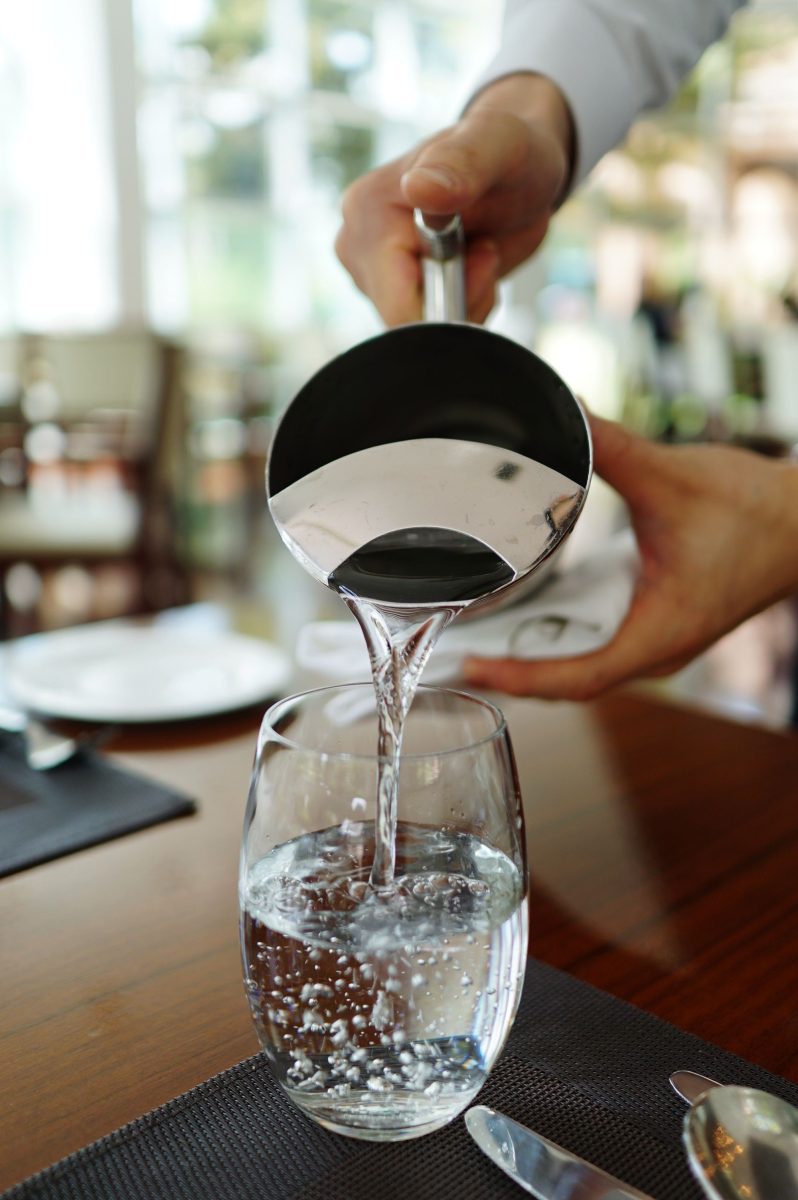
A few simple questions can help diners avoid paying for something they did not intend to order. When a server asks whether you prefer still or sparkling water, do not assume either option is complimentary. Ask whether those choices are bottled and whether regular tap water is available.
It is also worth checking the menu for water prices, especially at upscale restaurants where bottled and specialty selections may be presented separately. If a restaurant offers a water service or refill option, ask about the cost before agreeing. These small questions can help prevent the same kind of surprise that occurs when customers overlook extra charges for sauces, sides, or other add-ons.
What Customers Should Remember About Water Charges
Restaurants do not all follow the same rules when it comes to charging for water. Federal law does not require every establishment to provide free tap water, and state or local requirements may create exceptions. Bottled and specialty water should also be treated differently from an ordinary glass of tap water.
The most practical approach is to ask what type of water is being offered and whether it costs extra before accepting it. If a charge appears unexpectedly, request an explanation and check the rules that apply to that location. A quick question before ordering can help keep a simple glass of water from becoming an unexpected addition to the restaurant bill.
The post Can Restaurants Charge for Water? What Customers Should Know appeared first on Grocery Coupon Guide.