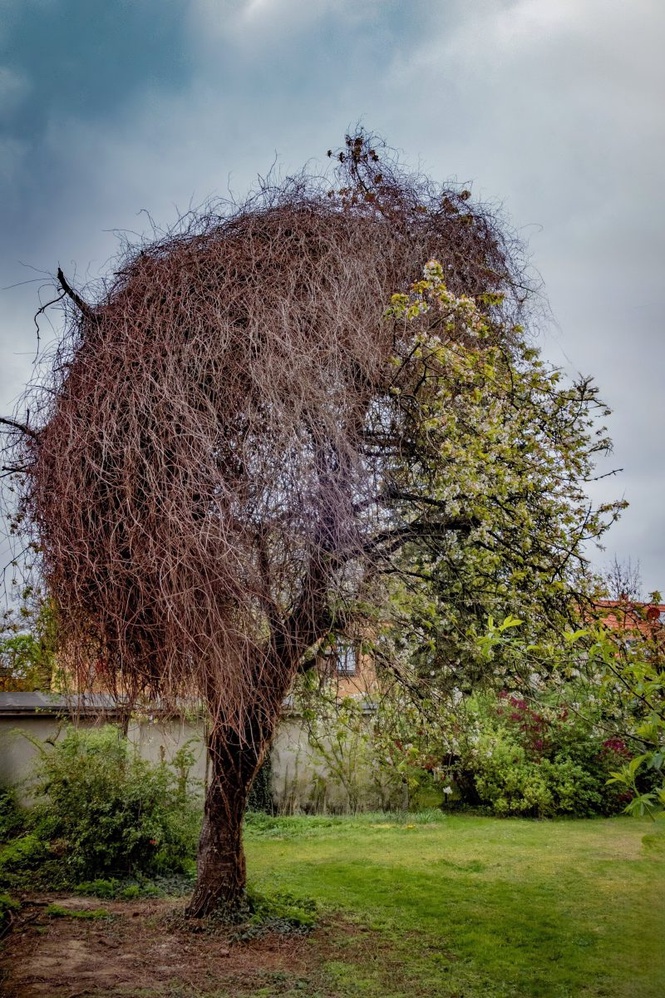
You receive a letter from your homeowners association demanding that you remove a dead tree from your front yard within 30 days. The problem? A tree removal company just quoted you $2,500, and that money simply isn’t in your budget.
Then comes the bigger surprise: The letter warns that failing to remove the tree could result in additional fines.
For homeowners already struggling with rising insurance premiums, property taxes, and maintenance expenses, an unexpected tree removal bill can create a serious financial burden.
But can an HOA fine you for a dead tree when you genuinely cannot afford to have it removed?
The answer depends on your community’s governing documents, state laws, and whether the tree presents an actual safety hazard.
Before paying a fine or hiring the first contractor you find, there are several things homeowners should understand about their rights and responsibilities.
Your HOA May Have the Authority to Demand Removal
Most homeowners associations operate under recorded covenants, conditions, and restrictions, commonly called CC&Rs, that establish property maintenance requirements. These documents may require homeowners to remove dead, diseased, or hazardous trees even when the expense creates financial hardship. Some communities also have architectural guidelines addressing landscaping appearance, tree replacement, and maintenance deadlines. However, an HOA’s authority to issue fines generally depends on applicable state law and whether the association has followed its own enforcement procedures. Before assuming the violation is legitimate, request the exact provision of your governing documents that allegedly requires removal.
Financial Hardship Doesn’t Automatically Eliminate the Violation
Unfortunately, being unable to afford tree removal doesn’t necessarily excuse a homeowner from complying with enforceable HOA maintenance requirements. Associations may argue that dead trees create safety hazards, reduce neighborhood appearance, or expose neighboring properties to potential damage. Consider a homeowner facing a $2,800 removal estimate while already paying $400 monthly in association dues and special assessments. Even when the financial hardship is genuine, the HOA may still expect the property owner to address the condition within a reasonable period. That makes communicating with the board early particularly important, especially before fines begin accumulating.
A Dead Tree Isn’t Always an Immediate Emergency
One important distinction involves whether a tree is merely dead or poses an immediate risk of falling onto people, buildings, or neighboring property. A standing dead tree located far from structures may present different risks than one leaning over a sidewalk or another homeowner’s roof. The International Society of Arboriculture provides educational resources explaining tree risk assessment and the importance of qualified tree care professionals. A certified arborist can evaluate the tree’s condition, identify potential hazards, and recommend appropriate management options. If the HOA claims immediate removal is necessary, requesting a written professional assessment may help clarify whether the proposed deadline reflects a genuine safety concern.
You May Have the Right to Challenge the Fine
Homeowners should understand that an HOA violation notice doesn’t always mean a fine is immediately enforceable. Depending on state law and association governing documents, homeowners may have rights to written notice, an opportunity to correct the violation, and a hearing before penalties are imposed. For example, Florida Statutes Section 720.305 establishes specific procedures and limitations for certain HOA fines, including notice and hearing requirements. Other states have different rules governing enforcement, appeal procedures, and the amount associations may charge. If you’re wondering can an HOA fine you for a dead tree, reviewing your state’s laws and the association’s written enforcement policy is an essential first step.
Ask for More Time Before Fines Begin Adding Up
If you cannot afford immediate removal, contact your HOA board or property management company in writing as soon as possible. Explain your financial circumstances, provide copies of professional removal estimates, and request a reasonable extension or temporary suspension of fines. Some associations may be willing to negotiate a payment arrangement, especially when homeowners demonstrate that they’re actively working toward compliance. However, the board isn’t necessarily required to approve an extension, particularly when a tree presents an immediate danger to neighboring homes or public areas. Keeping copies of your correspondence creates a useful record if you later need to challenge an enforcement action.
There May Be Ways to Reduce the Removal Cost
Tree removal expenses vary considerably depending on the tree’s height, location, condition, and accessibility for equipment. The Michigan Department of Natural Resources recommends obtaining multiple estimates and checking whether contractors carry general liability and workers’ compensation insurance. Homeowners should also ask their municipality whether assistance programs exist, particularly for seniors, veterans, or households with limited incomes. For example, the City of Minneapolis offers an income-qualified program that may cover the removal of certain condemned hazardous trees. Financial assistance isn’t guaranteed, but researching local programs and comparing qualified contractors could significantly reduce the amount you must pay.
Your Insurance Probably Won’t Cover Routine Removal
Homeowners sometimes assume their insurance policy will pay to remove a dead tree because it presents a potential danger. Unfortunately, standard homeowners insurance generally doesn’t cover routine tree maintenance or preventive removal simply because a tree is dead or deteriorating. Coverage may become available when a covered event causes a tree to damage an insured structure, although policy limits and exclusions still apply. Contact your insurer when fallen or broken trees damage buildings or other insured property. Before assuming you’re responsible for every expense, review your policy and ask your insurance company which circumstances qualify for reimbursement.
Ignoring the Problem Could Become More Expensive
Leaving an HOA violation unresolved can sometimes create financial consequences beyond the original cost of removing the tree. Depending on applicable law and governing documents, an association may impose additional fines, pursue collection, or arrange corrective work and seek reimbursement from the homeowner. The Texas State Law Library explains that these enforcement powers depend on state requirements and authority granted in an association’s governing documents. A hazardous tree that eventually damages neighboring property could also create liability concerns, especially if the owner knew about the danger and failed to take reasonable precautions. The Texas A&M Forest Service recommends professional assessments of potentially dangerous trees to help property owners understand and manage those risks.
You Have Options, Even When Money Is Tight
So, can an HOA fine you for a dead tree when you cannot afford removal? In many communities, the answer is yes, but that doesn’t mean every fine is valid or that homeowners have no opportunity to challenge the association’s decision. Review your governing documents, verify the tree’s condition, request any available hearing, and communicate financial difficulties before deadlines expire. Obtaining several insured contractor estimates and exploring local assistance programs may also make an otherwise overwhelming expense more manageable. Addressing the problem early gives you the best opportunity to protect your property, reduce potential liability, and avoid unnecessary HOA penalties.
Have you ever received an HOA violation notice for a dead tree or another expensive landscaping problem? Do you think associations should offer homeowners more flexibility when repairs cost thousands of dollars? Share your thoughts in the comments!
What to Read Next
Your HOA Says You Can’t Grow Vegetables in Your Front Yard — But Is That Actually Legal?
Can Your HOA Actually Tell You What Flowers You’re Allowed to Plant?
7 Things You Can Plant in Your Yard That Could Start a Fight With Your HOA
The post Can Your HOA Fine You for a Dead Tree You Can’t Afford to Remove? appeared first on Frugal Gardening.