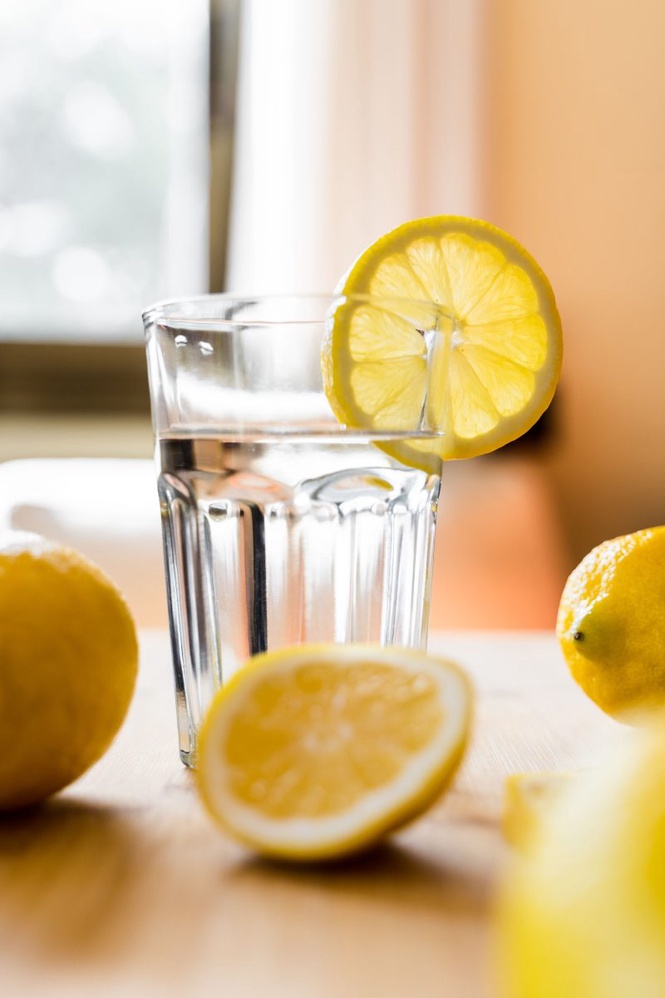
A wedge of lemon in a glass of restaurant water can make an ordinary drink feel a little more refreshing. It adds a bright citrus flavor, makes plain water more appealing, and may encourage you to drink more throughout your meal. But there is another side to that familiar garnish: the lemon has been handled, sliced, stored, and placed into your glass before you ever see it.
That raises a reasonable question about restaurant hygiene. How clean is the lemon wedge, and does adding it actually provide enough nutritional value to matter? You do not necessarily need to stop ordering lemon water, but understanding how lemons are prepared and what they contribute can help you decide whether you want one with your next meal.
Restaurant Lemon Wedges Go Through Several Handling Steps
Before a lemon reaches your glass, someone typically washes the whole fruit, cuts it into wedges or slices, and stores the pieces until they are needed. Depending on the restaurant, employees may handle lemons while preparing other ingredients or assembling garnishes. The fruit may also be transferred between cutting boards, containers, and serving stations.
That does not mean restaurant lemons are automatically dirty. Food service businesses are expected to follow food safety procedures, including washing produce and preventing contamination during preparation. However, every additional handling step creates an opportunity for germs to transfer if proper hygiene is not followed. The condition of the restaurant’s food preparation practices matters more than the mere fact that a lemon wedge has been handled.
What’s Actually on the Outside of a Lemon?
Like other fresh produce, lemons can carry dirt, bacteria, and other microorganisms on their skin. They may also have residue from handling during harvesting, transportation, and retail display. Washing the outside of the fruit under running water helps remove dirt and reduce surface contamination, but it does not sterilize the lemon.
The peel is important because it can come into contact with the edible portion when the fruit is sliced. A knife can transfer microorganisms from the surface into the cut flesh, and hands can transfer contamination when wedges are handled. This is why washing whole citrus fruit before cutting it matters, even when the peel is not normally eaten. Proper cleaning and handling reduce risk, but they cannot guarantee that every microorganism has been removed.
Can a Lemon Wedge in Your Water Make You Sick?
It is possible for a contaminated lemon wedge to introduce microorganisms into a drink, but that does not mean every restaurant lemon is a health risk. The concern comes from improper washing, contaminated equipment, poor hand hygiene, or storage practices that allow contamination to spread. Food safety investigations have documented situations involving contaminated citrus garnishes, although those findings do not establish that lemon water is generally unsafe.
Your risk depends on how the restaurant handles its produce. A properly washed lemon, cut with clean equipment, handled with clean hands or utensils, and stored at an appropriate temperature is a different situation from wedges left uncovered at room temperature for extended periods. If a lemon looks dried out, discolored, or poorly stored, it is reasonable to skip it. You can also simply ask for water without a garnish.
Does Lemon Water Actually Provide Nutritional Benefits?
Lemons contain vitamin C, a nutrient that supports immune function, collagen production, and the body’s ability to absorb iron from plant-based foods. They also contain small amounts of other nutrients and plant compounds. However, a single restaurant wedge usually contributes only a modest amount of juice, so the nutritional benefit is limited.
For perspective, a whole lemon contains considerably more vitamin C than the small amount you typically squeeze into a glass. The exact amount depends on the size of the wedge and how much juice you use. Lemon water should not be treated as a major source of vitamins or as a substitute for eating fruits and vegetables. Its most practical benefit may simply be making water more enjoyable, which can help some people drink more throughout the day.
Does Adding Lemon Make Restaurant Water Healthier?
Adding lemon can improve the flavor of water without the added sugar found in many sweetened beverages. If you normally order soda, sweet tea, or lemonade, choosing plain water with lemon may be a simple way to reduce added sugar and calories. The lemon itself contributes very few calories in the small amount typically used.
However, lemon water does not detox your body, burn fat, or dramatically improve digestion. Your liver and kidneys already perform the body’s natural waste-processing functions. Lemon juice can make water more appealing, but it does not turn an ordinary glass of water into a special health treatment. If you enjoy the taste, there is nothing wrong with ordering it; just keep the nutritional claims realistic.
There Are a Few Reasons to Skip the Lemon
For most people, a properly prepared lemon wedge is a reasonable restaurant garnish. But there are circumstances when skipping it may be preferable. People with citrus allergies should avoid lemon, while those who experience acid reflux or stomach irritation may find that citrus makes symptoms worse. Frequent exposure to acidic drinks can also contribute to enamel erosion, particularly when lemon juice is used heavily throughout the day.
If you have sensitive teeth, you may notice discomfort after drinking lemon water. You can reduce direct contact with your teeth by avoiding prolonged sipping and rinsing your mouth with plain water afterward. It is also worth remembering that lemon water is not necessary for hydration. If you are uncertain about the restaurant’s handling practices or simply do not want the garnish, plain water is perfectly fine.
What You Can Do When Ordering Lemon Water
You do not have to interrogate restaurant staff about every garnish, but a few simple choices can help you feel more comfortable. If you prefer lemon, ask for a fresh wedge on the side so you can inspect it and decide how much juice to use. You can also ask whether the restaurant has lemon wedges available rather than accepting one automatically.
If you are concerned about handling, ordering water without lemon is the simplest option. Avoid using a lemon wedge that looks dried out, damaged, or discolored, and do not assume that squeezing it into your drink eliminates potential contamination. Proper food handling is the restaurant’s responsibility, but customers can choose what goes into their glasses. There is no nutritional requirement to add lemon, so the decision can come down to taste and comfort.
So, Should You Keep Ordering Lemon in Your Water?
For most diners, there is no need to automatically avoid restaurant lemon water. Properly washed and handled lemon wedges are a common garnish, and the risk of illness from a typical serving is not a reason to assume every restaurant is serving contaminated citrus. Still, lemons are not sterile, and their preparation matters. If you have concerns about a restaurant’s cleanliness, ordering plain water is an easy alternative.
Nutritionally, a wedge adds a little flavor and a small amount of vitamin C, but it is not a significant source of nutrients in most restaurant servings. Its biggest benefit may be helping you enjoy drinking water instead of choosing a sugary beverage. If you like lemon, order it; if you do not, you are not missing an essential health benefit by leaving it out.
What To Read Next
Want to Cut Pesticides Fast Start With These 15 Fruits and Vegetables
11 Ways to Save on Fresh Fruit This Winter
The Rise of Imperfect Produce Lines: How Ugly Fruit Is Saving Shoppers
The post Still Ordering Lemon in Your Restaurant Water? Here’s What You Should Know appeared first on Grocery Coupon Guide.