.jpg)
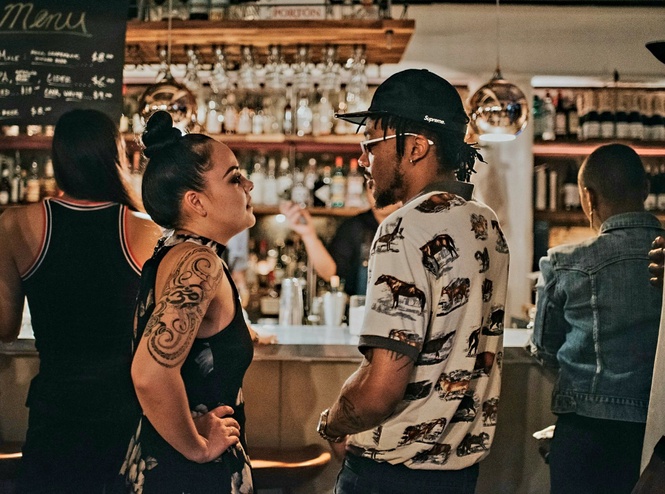
Catcalling is not only offensive but deeply ingrained in a culture that disrespects women’s dignity and personal space.
The confrontation shared by @atiquh on her X account is a powerful reminder of the everyday harassment women face, but it also raises an important point about stereotypes and assumptions.
In her frustration, @atiquh referred to the men’s actions as "kampung behaviour," but it's critical to understand that catcalling isn't a rural or "village" issue—it's a pervasive societal problem that transcends geography, education, and background.
To label this behaviour as "kampung" risks reinforcing harmful stereotypes, implying that only those from rural areas engage in disrespectful conduct.
In truth, catcalling happens across all socio-economic backgrounds, in cities and towns, by people of all walks of life. By attributing this to "kampung" behaviour, we obscure the fact that this is an issue of toxic masculinity and entitlement, not where one comes from.
What’s clear in @atiquh's story is that this issue is not isolated to the streets of Kuala Lumpur. Catcalling reflects a broader culture where some men feel to comment on women’s appearance or make them uncomfortable.
It happens on city streets, in office corridors, and in public spaces—places where women, like @atiquh, should feel safe.
This behaviour isn’t about rural vs. urban or education vs. ignorance. It’s a learned pattern of disrespect toward women, often passed down or perpetuated through peer influence.
Man B’s apology and Man A’s aggressive defensiveness in @atiquh’s video underscore this dynamic. The former seemed to recognise the wrongdoing once called out, while the latter resorted to insults and defensiveness, illustrating how deeply ingrained this behaviour can be.
The real issue here is one of power and disrespect, not culture or background. Catcalling, whether it’s from motorcyclists, lorry drivers, or professionals in suits, reflects a societal problem that diminishes women and makes public spaces feel hostile. It’s not about what women wear, as @atiquh rightly points out; it’s about the perception that women’s bodies are there to be commented on.
The challenge lies in addressing the root causes: toxic attitudes toward women, the normalisation of street harassment, and the silence of bystanders.
@atiquh’s call to confront and educate is an important step, but it’s not just the responsibility of women to stand up to this behaviour. Men must challenge their peers and reflect on how these actions contribute to a culture of harassment.
At the heart of it, catcalling isn’t "kampung" or "city" behaviour—it’s unacceptable behaviour. It’s high time we stop framing such acts in terms of where someone comes from and start recognising them for what they are: disrespectful, dehumanising, and damaging.

Mihar Dias is a content creator under the Newswav Creator programme, where you get to express yourself, be a citizen journalist, and at the same time monetize your content & reach millions of users on Newswav. Log in to creator.newswav.com and become a Newswav Creator now!
The User Content (as defined on Newswav Terms of Use) above including the views expressed and media (pictures, videos, citations etc) were submitted & posted by the author. Newswav is solely an aggregation platform that hosts the User Content. If you have any questions about the content, copyright or other issues of the work, please contact Newswav.