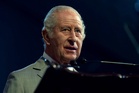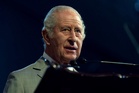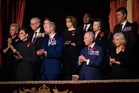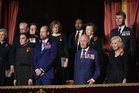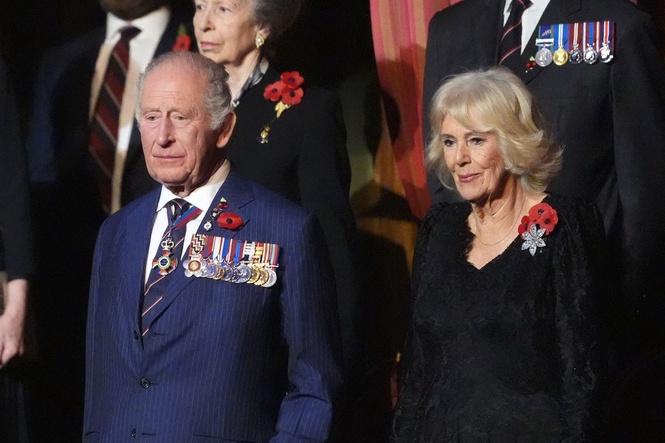
Senior members of the royal family, led by the King and Queen, gathered at London’s Royal Albert Hall on Saturday evening for an occasion of solemn commemoration.
Charles and Camilla were joined by the Prince and Princess of Wales at the Royal British Legion’s (RBL) festival of remembrance.
The audience stood to greet the King and Queen as they entered the hall to a fanfare of trumpets, before taking their places in the royal box.
For the event, Kate wore an Alessandra Rich dress paired with the Irish Guards regimental brooch, earrings that belonged to the late Queen Elizabeth II, and a handmade poppy.
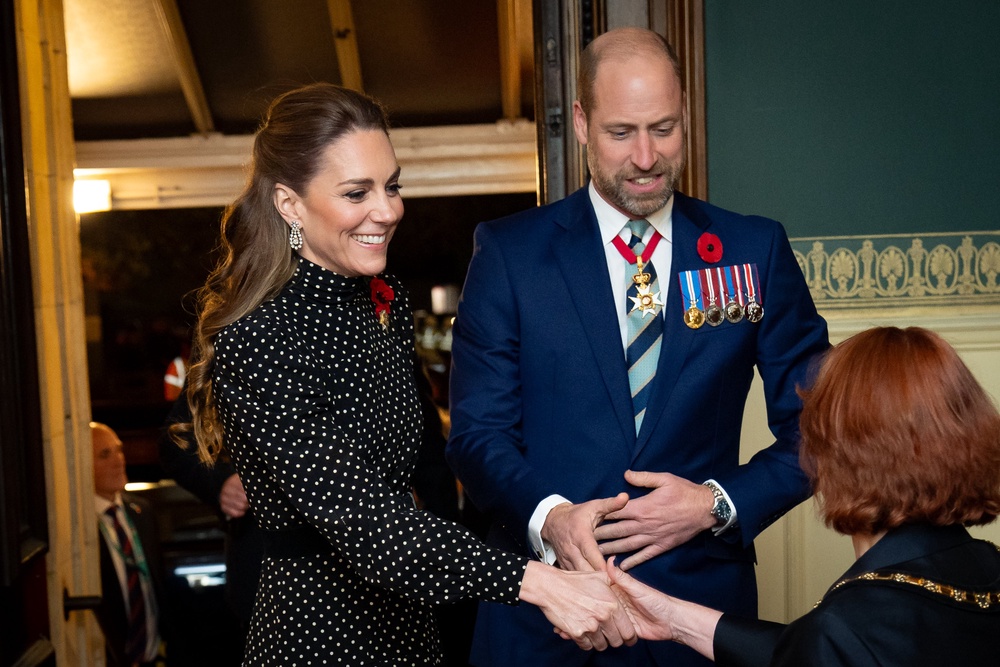
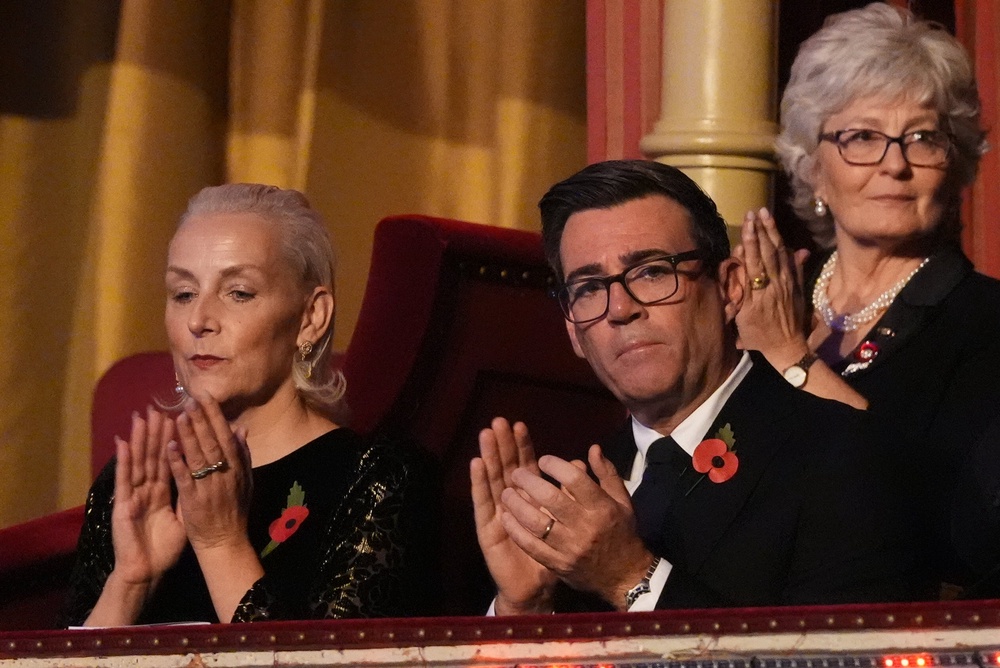
The audience also included the Duke and Duchess of Edinburgh, the Princess Royal and Vice Admiral Sir Tim Laurence, alongside Prime Minister Andy Burnham and his wife Marie-France van Heel. The Duke and Duchess of Gloucester were present as well.
It is understood that the Duke and Duchess of Sussex are marking remembrance events in private this year.
Organised by the RBL, the annual festival brings together royalty, active service personnel, veterans and their families. Through music, personal testimonies and moments of reflection, the event honours those who died in service and pays tribute to the sacrifices of Britain’s Armed Forces.
This year’s event marks 35 years since the end of the First Gulf War and 15 years since the conclusion of British military operations in Iraq under Operation Telic, with veterans sharing their personal accounts of serving in the conflicts.
The King, who became patron of the Royal British Legion in 2024, will lead the nation in a two-minute silence during the National Service of Remembrance at the Cenotaph in London on Sunday.
The Festival of Remembrance will be broadcast on BBC One at 9pm on Saturday.
The King’s attendance at Saturday night’s event comes off the back of his trip to the Caribbean where he visited the Bahamas and Guyana before finishing his tour in Antigua and Barbuda.
The visit, which included a meeting of the Commonwealth of Nations headed by Charles, was dominated by discussions over slavery, specifically whether Britain and the king ought to apologise for the transatlantic slave trade and offer reparations.
In line with British government policy, the king made no apology and offered no financial compensation in his speeches, though his personal sorrow regarding the horrors of slavery was widely welcomed by leaders of the 56-nation Commonwealth as a positive step.
Read MoreBurnham considers rape trial law change after Russell Brand backlash
Burnham vows specific support to help homeless veterans off the streets
Five European leaders call for closer ties with Britain ahead of crucial EU summit
‘Loud music’ could have caused bridge collapse in Bristol
Unity could cost up to 25 billion euro in year one, Fine Gael ‘blueprint’ says
A-levels teacher defends giving pupil explicit books: ‘They’re young adults’