CHICKEN production is expected to grow next year as commercial farms expand, while the government is considering measures to support hog raisers struggling with low farmgate prices and rising pork imports.
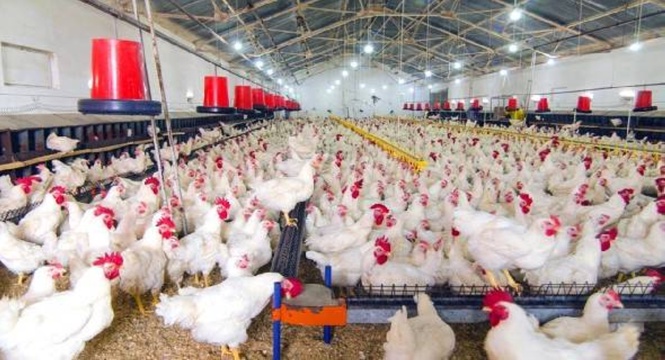
The US Department of Agriculture-Foreign Agricultural Service (USDA-FAS) forecast chicken meat production in the Philippines to rise by 5.8 percent to 1.92 million metric tons (MT) in 2027 from an estimated 1.82 million MT this year.
Growth will be driven by the expansion of commercial farms, wider use of tunnel-ventilated housing, improved poultry genetics, and larger contract-growing networks. Labor-saving technologies and better training of farm workers are also expected to improve productivity.
Chicken remains a preferred alternative protein as the domestic hog industry gradually recovers from African swine fever.
Philippine Statistics Authority data showed chicken production climbed by 4.1 percent to 586,180 MT, liveweight, in the second quarter (Q2). The chicken inventory grew by 7.4 percent to 228.49 million birds in the first half (H1).
Chicken consumption is forecast to increase by 8.6 percent to 2.70 million MT next year from 2.49 million MT this year due to population growth, affordability and demand for ready-to-cook and ready-to-eat products.
Imports are expected to spike by 14.7 percent to 780,000 MT from 680,000 MT this year, because of demand from food manufacturers and restaurants. Brazil is seen to remain the Philippines’ largest supplier.
However, USDA-FAS warned that the El Niño warm weather could reduce broiler weights, worsen feed conversion, lower hatchability and increase mortality in poorly ventilated facilities. Reduced corn production could also tighten feed supplies and raise production costs.
Proposed floor price
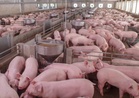
Meanwhile, the Department of Agriculture (DA) is supporting the hog industry’s proposed floor price of P210 per kilogram for live hogs amid farmgate prices ranging from P120 to P160/kg.
Agriculture Secretary Francisco Tiu Laurel Jr. clarified that the proposal came from industry stakeholders.
“The industry suggested P210 per kilo, not the DA. But, of course, we support it because the farmgate price of pork is too low,” he said.
The DA could not impose the floor price because no law gives it such authority. The department is instead discussing with economic managers the possibility of restoring pork tariffs to their previous levels and imposing higher special safeguard duties to protect local producers from import surges.
Bureau of Animal Industry data showed that pork imports rose by 10.3 percent to 541.40 million kg from January to July, accounting for more than half of the country’s 1.02 billion kg of meat imports during the period.
The DA is also tightening inspections of imported meat in wet markets. Tiu Laurel said inspectors had found products that failed to meet government standards, including imported meat that was not properly stored in freezers.
The department is monitoring retail prices ahead of the Christmas season, when meat demand normally increases. Tiu Laurel said price hikes should preferably be limited to between 1 and 3 percent, as the DA balances producers’ concerns with consumers’ need for affordable food.