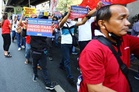
THE Commission on Human Rights (CHR) has raised concern about the continued suspension of the minimum wage hike for Metro Manila workers as mandated by the wages body.
Citing Wage Order 27 issued by the Regional Tripartite Wages and Productivity Board-National Capital Region (RTWPB-NCR), CHR chairman Richard Palpal-latoc said the commission respects the judiciary's independence and affirms the right of parties to seek legal recourse.
But the agency warned that protracted delays in wage adjustments are not abstract legal matters, “they carry tangible, often severe, consequences for workers’ economic survival and their fundamental right to a life of dignity.”
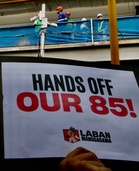
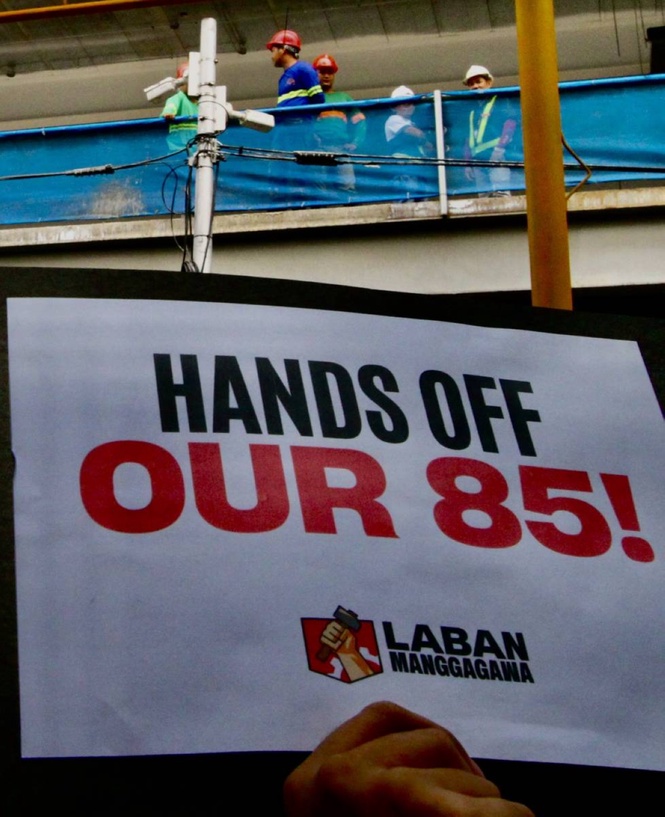
Wage Order 27 originally provided for an P85 increase in the daily minimum wage for covered workers in Metro Manila to be rolled out in two tranches.
“Yet its implementation has been stalled by court interventions — first through a temporary restraining order — and later through a writ of preliminary injunction, while the underlying legal questions remain unresolved,” Palpal-latoc, a lawyer, lamented.
For millions of Filipino workers, however, this is not merely a legal wrangle.
Wages are the lifeline that determines whether a family can put food on the table, afford transportation to work, keep a roof over their head, pay for schooling, or access health care, the agency said.
The CHR emphasized that the right to work, enshrined in international human rights instruments, is inseparable from the right to just and favorable conditions of labor — including fair remuneration that allows workers and their families to live with dignity.
“A minimum wage, therefore, cannot be viewed solely through the lens of economic policy; it is a cornerstone of the State’s broader constitutional mandate to advance social justice and protect the economic and social rights of its people,” the CHR chief pointed out.
However, the CHR acknowledges employers' concerns regarding business viability and job preservation.
“These are not concerns to be dismissed, but they must be addressed through genuine social dialogue and the established mechanisms of law — always with due consideration for the welfare and dignity of workers, who bear the immediate, daily brunt of rising prices and stagnant incomes,” the top CHR official said.
Pressing for the expeditious resolution of the legal issues surrounding the wage order, the CHR said that prolonged uncertainty should not leave workers and their families trapped in economic anxiety, especially when the wage adjustment itself emerged from the country’s own tripartite wage-setting process.
The commission urged all institutions and stakeholders to ensure that the final resolution of this matter is anchored in the principles of social justice, meaningful participation, and respect for the rights and dignity of every worker.
“Whatever legal remedies are pursued, the human impact of delayed wage relief must remain front and center in every deliberation,” it added.