On the eve of Chinese New Year 2026, amidst sake-red lanterns and lotus-sweet treats in Kuala Lumpur, a quiet debate simmered at dining tables and online forums about whether a mahjong-themed chocolate set was culturally inspired or just another marketing gimmick. A Hong Kong company’s Lunar New Year chocolate mahjong set drew sharp criticism for using an unlucky hand pattern and reigniting old cultural arguments about appropriation and respect for tradition a reminder that mahjong means more to many than just a game or festive prop. (South China Morning Post)
For Malaysians of Chinese heritage and families across Southeast Asia, mahjong is not just tradition. It is the social engine of reunion dinners, the storyteller of grandparents’ childhoods, and often the backdrop to laughter, negotiation, and even reconciliation. This Year of the Horse, the tiles on the table tell a story not only about chance and skill, but about identity, community, and change.
The Heartbeat of Reunion
In Malaysia, Chinese New Year is the most anticipated family festival. Social and political leaders openly invite Malaysians of all backgrounds to their open houses during the festivities. The Malaysian Chinese Association highlights CNY open houses as a uniting space where diverse communities can meet, exchange greetings, and interact, strengthening harmony in a multicultural society. (The Star)
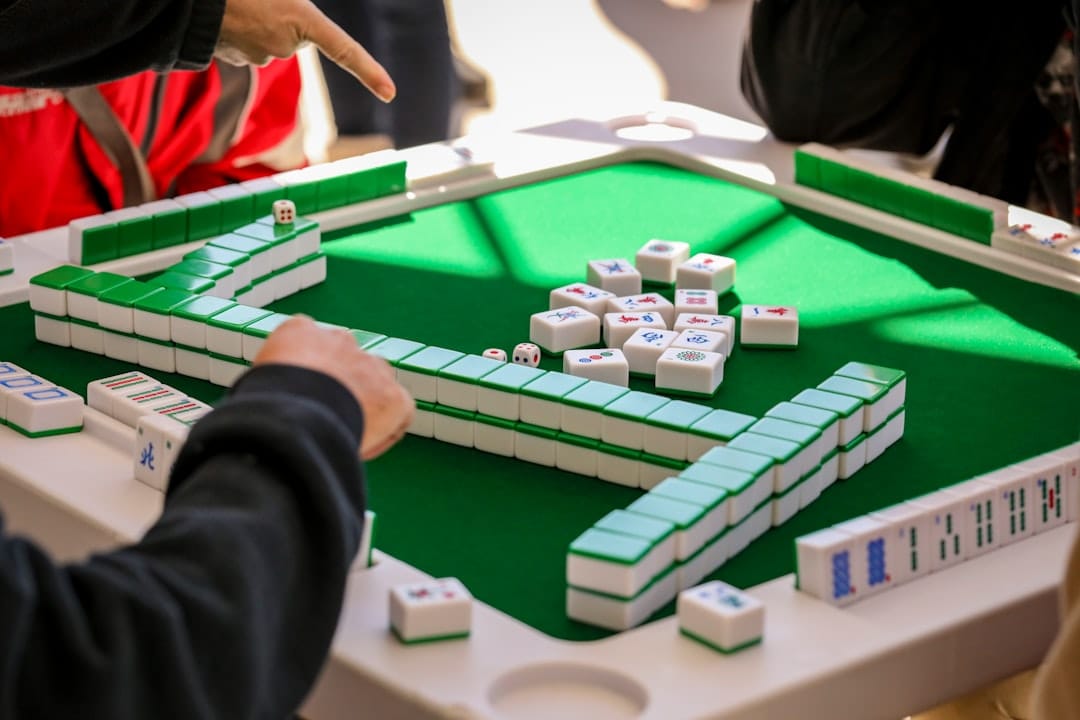
At the core of these gatherings, mahjong rarely appears in official programs, yet in living rooms and at dining tables, it always resurfaces. The game usually starts after the reunion dinner or during prolonged evenings spent with uncles, aunts, cousins, and neighbors. Many players speak of mahjong as symbolic of the season itself a mix of strategy, chance, and social interplay that parallels life and family dynamics.
In far-flung communities such as Knox in Australia, mahjong has transcended its ethnic roots to become a multicultural celebration during Lunar New Year. Mahjong Connection events draw players of all ages and backgrounds to play and learn, highlighting how the game engages mind and community alike. (Knox City Council)
Tradition Meets Modern Creativity
This year commercial and creative industries have reflected mahjong’s cultural cachet in unique ways. In Singapore, artisans applied mahjong iconography to festive merchandise from edible tiles in pineapple-tart cookies to playful design souvenirs that blend traditional symbols with modern aesthetics. (The Straits Times)
Closer to home, limited-edition luxury mahjong sets have become sought-after festive gifts and collectibles for CNY 2026, emphasizing togetherness and heritage in contemporary form. (lifestyleasia.com) Such sets complement group celebrations where elders teach younger generations how to shuffle and manage tiles, as stories are passed around like treasured family recipes.
Marketing and lifestyle brands also lean into this cultural energy. Turks and creatives reimagined mahjong through fashion and design partnerships. Singapore lifestyle brand Love, Bonito created a limited-edition mahjong set designed to celebrate generational togetherness, a reflection of how lifestyle brands see mahjong as part of festive community rituals. (Marketing-Interactive)
Even beverage campaigns have tapped this theme: in Malaysia, Tiger Beer’s CNY collectibles include a four-player mahjong set adorned with contemporary calligraphy, blending festive tradition with modern art and design. (Heineken Malaysia Berhad)
These creative expressions show how deeply mahjong is woven into festive culture and community identity. They also raise interesting questions. When does cultural homage become commodification? How far can tradition stretch before it becomes hollow spectacle?
Why Mahjong Matters
Mahjong’s role at Chinese New Year is more than a pastime. The game plays a social, psychological, and even intergenerational role during these celebrations.
For many older Malaysians, the click of tiles is the soundtrack of reunion. It anchors the annual pilgrimage home, anchoring holiday memories to tactile moments sitting around a table with a steaming pot of broth, the last decibel of firecrackers fading into dusk, and the next day’s spirited shouting of mahjong tiao. Younger generations, while more attuned to digital entertainment, often find that learning the game is like unlocking a piece of ancestral language. They may not understand every nuance, but they understand its value as a connector.
In many families, mahjong evenings evolve into intergenerational storytelling sessions. Grandparents share tales tied to specific tiles or game strategies passed down through decades. Those sessions often teach more than just the rules of play. They teach patience, respect, and an understanding of how to celebrate together even in differences.
Some see social and cognitive benefits too. Studies outside Malaysia (especially with older adults in Hong Kong and broader Chinese communities) have found that playing mahjong can help older players stay mentally engaged and socially connected, particularly when young people are away from home. (South China Morning Post)
Challenges and Critiques
However, the tradition is not without challenges. Mahjong is sometimes associated with gambling, and discussions about its role in festive culture often surface concerns about excessive betting or unhealthy social practices. In various Asian societies, there are ongoing debates about the line between harmless family fun and problematic habits.
Additionally, cultural purists and modern creatives occasionally clash over how mahjong is depicted in products and public spaces. The international chocolate mahjong set that sparked controversy did so because critics argued that it paired traditional symbols with an unlucky hand, igniting discussion on cultural sensitivity and intention in design. (South China Morning Post)
These debates reflect larger conversations about cultural ownership and interpretation, especially when traditions are commercialized or globalized beyond their original context.
A Game of Generations
As mahjong tables are set this Lunar New Year, there’s a deeper social dynamic at play. In many Malaysian homes, younger family members who rarely sit down for prolonged conversation find themselves drawn to the table. The game becomes a neutral ground for sharing space, stories, and laughter.
Some families innovate on tradition. Malaysian designers once created a mahjong set where traditional tiles were replaced with local cultural elements such as kuih lapis, satay, and congkak imagery to make the game feel more inclusive and reflective of Malaysian multicultural heritage. (The Star) This adaptation acknowledges the deeper truth: games evolve with the communities that embrace them.
Mahjong has a rare ability to bridge generation gaps. Older players teach the rules and strategies to children who may otherwise prefer screens to social tables. In teaching, they share life lessons. In losing, they learn humility. In winning, they practice grace. The table becomes a space where respect, patience, and shared identity are not abstract values but everyday actions.
What do you think? I’d love to hear your opinion in the comments section.
In a world increasingly defined by ephemeral digital interactions, mahjong tables during Chinese New Year ground us in physical presence and shared experience. The noise of laughter, the hush of calculation, the warm exchange of red packets, and the dramatic reveal of the next tile encapsulate a festival that celebrates family, resilience, and continuity.
In 2026, mahjong remains more than a game. It is a ritual of belonging. It is a classroom where generations converse without lecturing. It is the heartbeat of reunion dinners and the silent pause before someone declares “huat!” as the last tile falls into place.
.png)
Got a fun CNY story? Share it, and you might take home Ang Pow and prizes worth up to RM2,980! Find out how to join here. T&Cs apply.
AM World (tameer.work88@gmail.com) is a content creator under the Newswav Creator programme, where you get to express yourself, be a citizen journalist, and at the same time monetize your content & reach millions of users on Newswav. Log in to creator.newswav.com and become a Newswav Creator now!
The User Content (as defined on Newswav Terms of Use) above including the views expressed and media (pictures, videos, citations etc) were submitted & posted by the author. Newswav is solely an aggregation platform that hosts the User Content. If you have any questions about the content, copyright or other issues of the work, please contact creator@newswav.com.