Care home residents were left to “die alone,” bereaved families have said, as a damning new report in the Covid-19 inquiry has been published today.
There were more than 43,000 recorded care home deaths involving Covid-19 between March 2020 and July 2022, the report said, and inquiry hearings last year heard a civil servant describe the toll as a “generational slaughter within care homes”.
The new report found that many families were unable to visit their loved ones in care homes at the end of their life, which caused “immense upset and harm”.
“While visits to people at the end of life should have been permitted, this did not always happen,” the inquiry found.
“This resulted in many people dying alone without the comfort of their loved ones by their side. For many bereaved, this has led to prolonged grief, feelings of guilt and anger.”
Speaking on behalf of Covid-19 Bereaved Families for Justice UK, Jean Adamson, said: “Today’s report is a devastating account of one of the darkest episodes in our country’s history.
“It shows that the government knew the care sector was extremely vulnerable to a pandemic and yet did nothing. Failing to act until it was too late.”
Key Points
- Families left unable to say goodbye to loved ones in care home ‘caused immense upset and harm’
- Matt Hancock’s claim of ‘protective ring’ around care homes was a 'cruel lie'
- Decision to discharge hospital patients into care homes without testing or vaccines ‘significant oversight’
- ‘Protecting the NHS’ mantra ‘came at the expense’ of care patients and staff
- Key findings of today’s Covid Inquiry report
Care home residents were ‘an afterthought’ and ministers’ failures allowed virus to spread quickly, Covid inquiry finds
15:23 , Maryam Zakir-HussainCare home residents were treated as “something of an afterthought” as government failures during the pandemic allowed Covid-19 to “spread like wildfire”, a damning inquiry report has found.
Baroness Heather Hallett, the retired Court of Appeal judge who chairs the Covid-19 inquiry, highlighted how the government’s ‘protecting the NHS’ mantra came “at the expense” of care patients and staff, with action being taken “too late”.
The UK Covid-19 Inquiry heard there were more than 43,000 deaths involving the virus in care homes across the UK between March 2020 and July 2022, with failures to protect the care sector having created environments that allowed it to “spread like wildfire”.
Political reporter Athena Stavrou has more:

Care home Covid failures allowed virus to ‘spread like wildfire’, inquiry finds
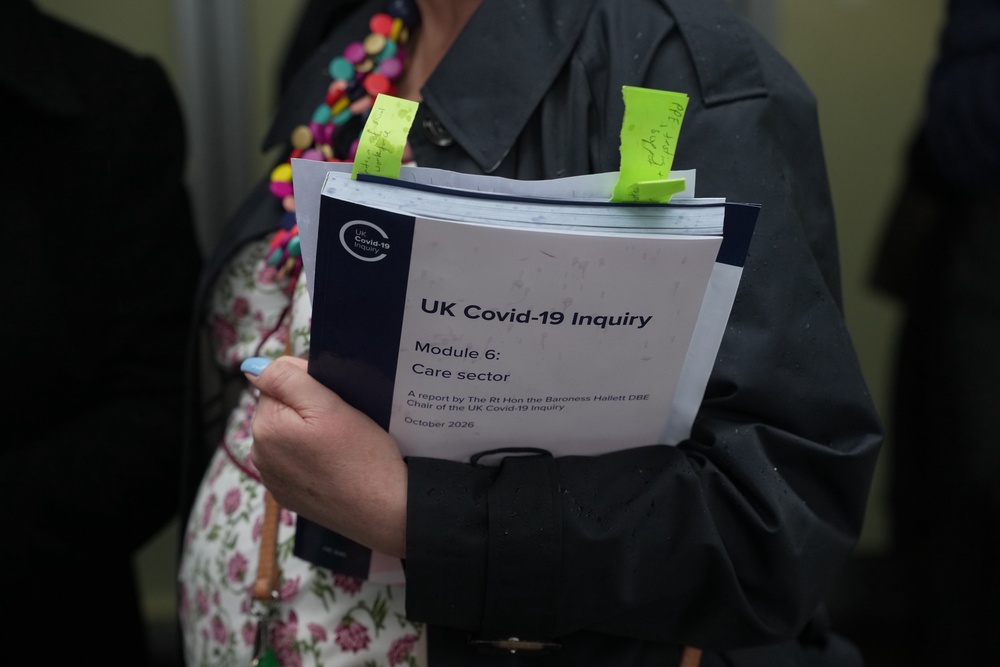
In pictures: Campaigners outside Covid-19 inquiry
14:55 , Maryam Zakir-Hussain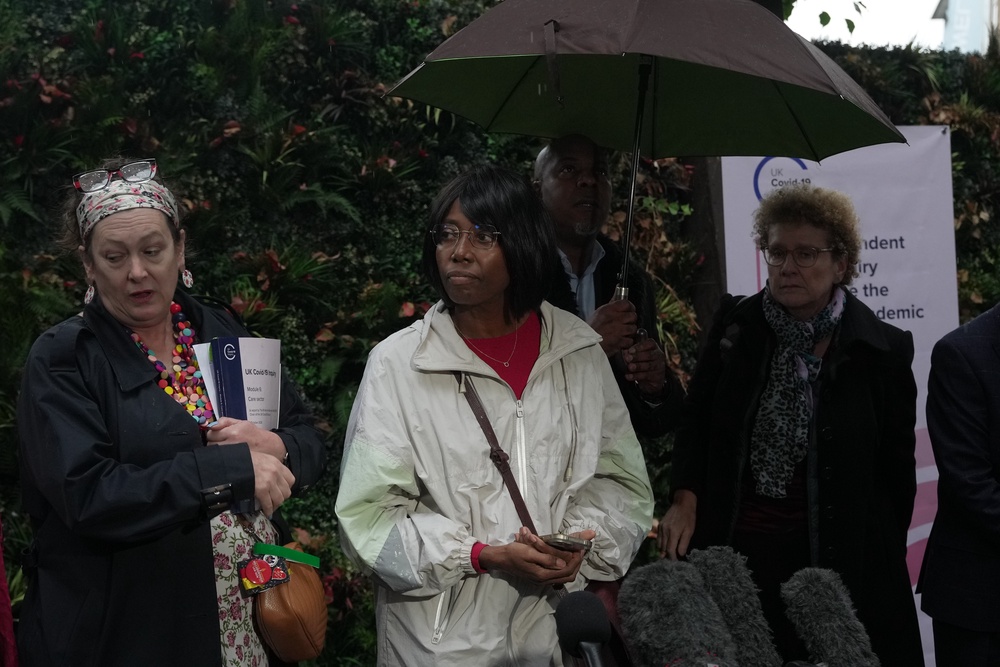

Scottish government will 'take the necessary time' to consider new report
14:35 , Maryam Zakir-HussainThe Scottish government will “take the necessary time” to consider the new report from the UK Covid-19 Inquiry.
The UK-wider probe has released its findings on how social care was impacted on Tuesday.
Responding, a Scottish Government spokesman said: “The Scottish Government welcomes the publication of this report and will take the necessary time to fully and carefully consider its findings and recommendations.
“We extend our deepest condolences to the many thousands who have lost loved ones and who continue to experience the profound impacts of Covid-19.
“We recognise the loss, hurt and suffering experienced by people, particularly among those who relied on, delivered or supported adult social care services during an exceptionally challenging period.
“We acknowledge the significant impact of the pandemic on people who draw on care and support, their families and loved ones, and the many unpaid carers who provided essential care, often in difficult and isolating circumstances.
“Throughout the pandemic, the Scottish government’s overriding objective was to protect people and minimise loss of life.
“Work continues to implement the recommendations accepted from earlier inquiry reports and the Scottish government remains committed to working collaboratively with partners to strengthen Scotland’s preparedness, resilience and public services.”
Yvette Cooper comments on inquiry findings
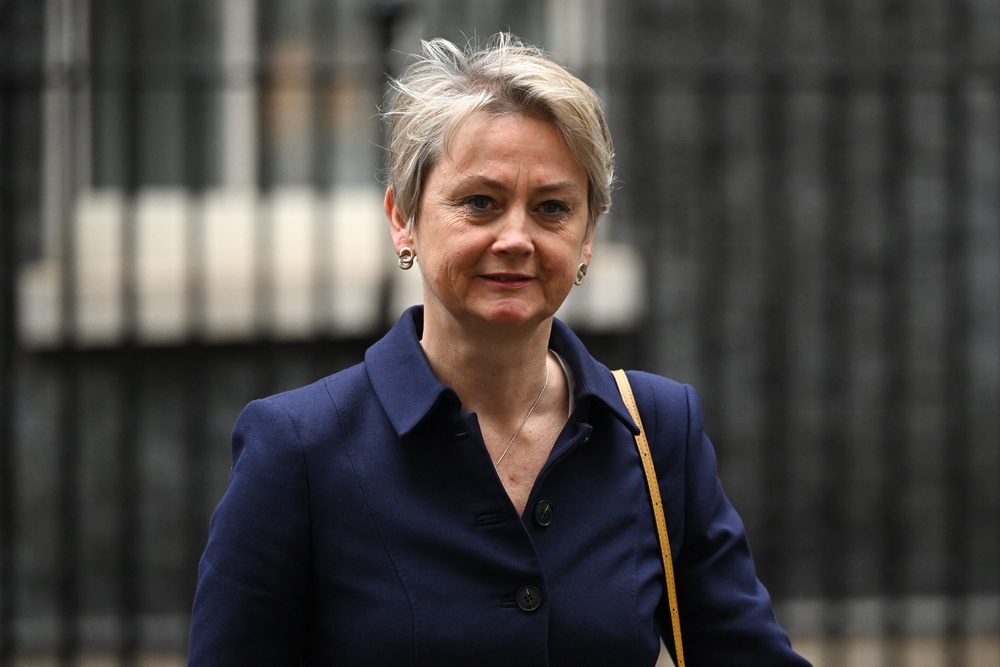
14:15 , Maryam Zakir-HussainHealth secretary Yvette Cooper said she agreed with UK Covid-19 Inquiry chairwoman Baroness Heather Hallett that adult social care has been “undervalued and under recognised”.
Speaking at health questions in the Commons, Ms Cooper said: “The Covid-19 inquiry has today published its module six report on what Baroness Hallett calls the devastating impact of the pandemic on people receiving and providing care for their loved ones.
“My thoughts are with all those who lost loved ones in the pandemic, and especially those who endured the immense distress and harm of visiting restrictions in care homes, which meant they could not be with loved ones even as they died.
“I also pay tribute to all those who work to protect the most vulnerable, but in very difficult circumstances, from care workers to family members.
“The report finds the adult social care sector was in a fragile state and insufficiently prepared for a pandemic, and that social care was too often treated as an afterthought in comparison to the priority placed on protecting the NHS.
“We will provide a full response to the report’s recommendations in due course, but I agree with the chair when she said: ‘Adult social care has, for too long, been undervalued and under recognised’, that has to end.
“And I hope we can work cross-party to support the prime minister’s vision for a national care service in the future.”
PM says government 'committed to learning the lessons' from the Covid inquiry
13:46 , Maryam Zakir-HussainPrime minister Andy Burnham said the government is “committed to learning the lessons” from the UK Covid-19 Inquiry report on the care sector and pledged to use the findings to develop an “action plan” in case of a future pandemic.
Mr Burnham said: “I recognise the pain and suffering caused by the pandemic and the lasting impact it continues to have on many people.
“I am acutely aware of the experiences of people receiving and providing care during the pandemic, and the impact on their wellbeing, dignity, and independence, as well as the time being separated from their loved ones.
“I pay tribute to family and friends who provided care and support, and to the dedication, compassion and professionalism shown by staff and volunteers working across adult social care, who supported and protected some of the most vulnerable people in exceptionally difficult circumstances.”
He added: “The government is committed to learning the lessons from the inquiry and ensuring the social care sector are prepared for a future pandemic. We will consider carefully the findings and recommendations of the report and respond in due course.
“We will use these findings to continue development of our Adult Social Care Pandemic Action Plan, and we will also respond to Baroness Casey’s review when it is published.
“I have set out my vision for a National Care Service. This will be person-centred, highly integrated with health services and preventative in its character, helping people lead as independent and fulfilling lives as possible and providing dignity and peace of mind.”

'Social care was so badly failed'- Royal College of Nursing chief
13:38 , Maryam Zakir-HussainProfessor Nicola Ranger, RCN general secretary and chief executive, said: “This report provides a damning assessment of how social care was so badly failed. The sector entered the pandemic already on its knees from sustained underfunding, while nursing shortages were deep and widespread. The situation was compounded by a failure to recognise the reality of how infection was spreading and then to supply appropriate PPE. This made a dangerous situation fatal, allowing COVID to rip through services and an already depleted staff. As the inquiry makes clear, these were preventable failures.
“Nursing staff in social care were the 24/7 presence, many giving up their family lives to keep people safe and be with those who would otherwise die alone. Vulnerable people, their families and staff were left to make sense of visiting restrictions which caused so much heartbreak. Ultimately, the scale of death was unprecedented and left significant numbers of staff exhibiting PTSD. So many paid the ultimate price and must never be forgotten, nor should this be allowed to happen again.
“The discharge policy demonstrated how vulnerable people and staff in social care were considered second class citizens. Our profession raised concerns from the outset, with care homes lacking the staff, or safe capacity to absorb more people at the speed ordered. Demands for specific guidance on transmission went unheard. While nursing staff faced huge risk, at the heart of government and within key agencies there was a palpable lack of understanding as to how the sector operated. That cost lives.”
Matt Hancock’s claim of ‘protective ring’ around care homes was a 'cruel lie'
13:11 , Maryam Zakir-HussainCovid-19 Bereaved Families for Justice UK said that Matt Hancock’s claim that a “protective ring” had been thrown around care homes was a “cruel lie”.
Speaking on behalf of the group, Jean Adamson, said: “Today’s report is a devastating account of one of the darkest episodes in our country’s history.
“It shows that the government knew the care sector was extremely vulnerable to a pandemic and yet did nothing. Failing to act until it was too late.
“And It shows that Matt Hancock’s claim to have thrown a protective ring around care homes was a cruel lie.”
She added: “The most at-risk people in our society, the sick, elderly – many of whom had a full and long life ahead of them – were failed by a government who abandoned them and left them to die.
“Among them was my dad – Aldrick Adamson – Aldrick was a Windrush pioneer who came from Barbados to help rebuild Britain. He caught Covid in the nursing home where he lived.
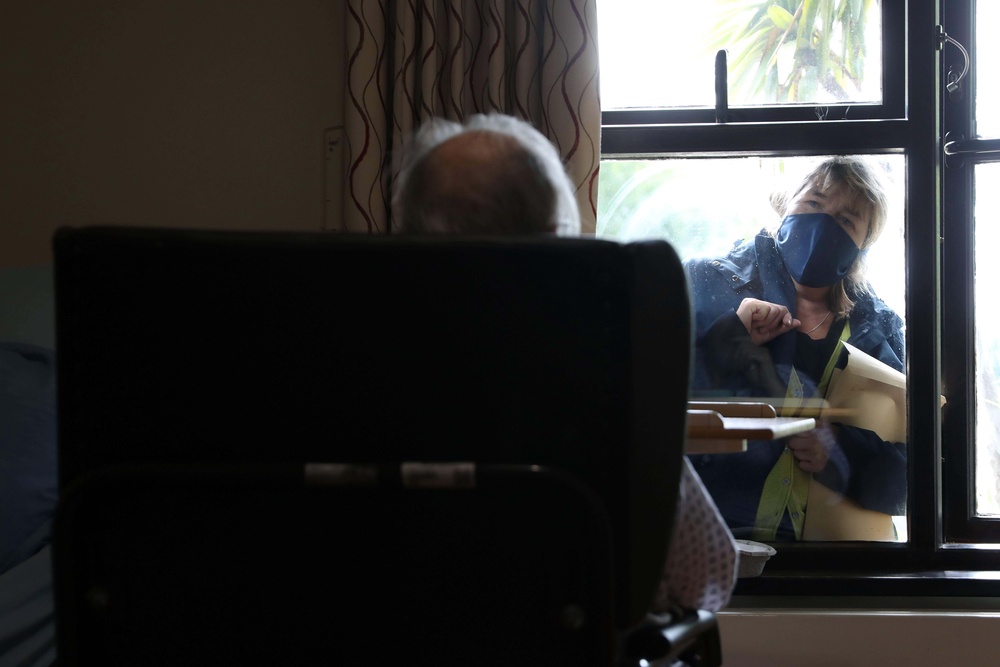
“When he became ill, we could only see him through his care home window. I was not even able to hold his hand. He died on 15 April 2020.
“Like so many thousands, he died alone, isolated – a victim of covid, but also of government negligence.”
Families left unable to say goodbye to loved ones in care home ‘caused immense upset and harm’
12:47 , Athena StavrouFamilies being unable to visit their loved ones in care homes at the end of their life caused “immense upset and harm”, a major new report has found.
Though visiting guidance during the Covid-19 outbreak did allow exceptions to be made for end-of-life visiting, many families were not permitted to be with their loved ones at the end of their lives.
“While visits to people at the end of life should have been permitted, this did not always happen,” the inquiry found.
“This resulted in many people dying alone without the comfort of their loved ones by their side. For many bereaved, this has led to prolonged grief, feelings of guilt and anger.”
Lack of family visitation caused ‘incalculable harm’ to care home residents who felt ‘abandoned’ and ‘alone’
12:37 , Athena StavrouThe decision to stop families visiting loved ones in care homes during the pandemic caused “incalculable harm” that left residents feeling “abandoned” and “alone”, a new report has found.
Though visiting guidance during the Covid-19 outbreak did allow exceptions to be made for end-of-life visiting, many families were not permitted to be with their loved ones.
The latest Covid Inquiry report found that this resulted in a “significant decline” in the health and wellbeing of residents, causing “profound and enduring effects”.
“Preventing visits caused incalculable harm to residents and their loved ones and often resulted in a significant decline in the health and wellbeing of residents, especially those with complex cognitive conditions such as dementia,” it found.
“As some told the Inquiry’s listening exercise, Every Story Matters, the restrictions left residents feeling ‘isolated’, ‘abandoned’ and ‘alone’.”
It added: “For people with complex cognitive conditions, such as dementia and learning disabilities, or communication difficulties, visits are critically important. Sustained interaction and connection with familiar faces helps to preserve cognitive function, reduce isolation and agitation, and improves emotional wellbeing beyond standard care.”

‘Protecting the NHS’ mantra ‘came at the expense’ of care patients and staff
12:31 , Athena StavrouThe Covid Inquiry has found that the adult care sector was treated as “something of an afterthought” during the pandemic, with the government’s ‘protecting the NHS’ mantra coming at the expense of care patients and staff.
The UK Covid-19 Inquiry heard there were more than 43,000 deaths involving the virus in care homes across the UK between March 2020 and July 2022.
The report found that failures to protect the adult care sector created environments that allowed the virus to “spread like wildfire”.
“The adult social care sector as a whole also appeared to be something of an afterthought, where the mantra of ‘protecting the NHS’ sometimes came at the expense of the users and providers of care,” the inquiry found.
The inquiry’s chairwoman Baroness Heather Hallett, said that the high number of deaths in care homes in April 2020 brought the situation in care homes into “sharp focus”, but the shift in focus “came too late”.
“It caused the UK government and devolved administrations to turn their attention to the adult social care sector, as their focus until then had very much been on the response of the healthcare system and ‘protecting the NHS’,” she wrote.
“Given that it was well known that people receiving care were particularly vulnerable to any respiratory disease, let alone a deadly respiratory virus like Covid-19, that shift in focus came too late. Protective measures should have been put in place at the start of a pandemic, not once it had already taken hold.”
Inquiry chair on Matt Hancock’s claims: ‘Quite the opposite is true’
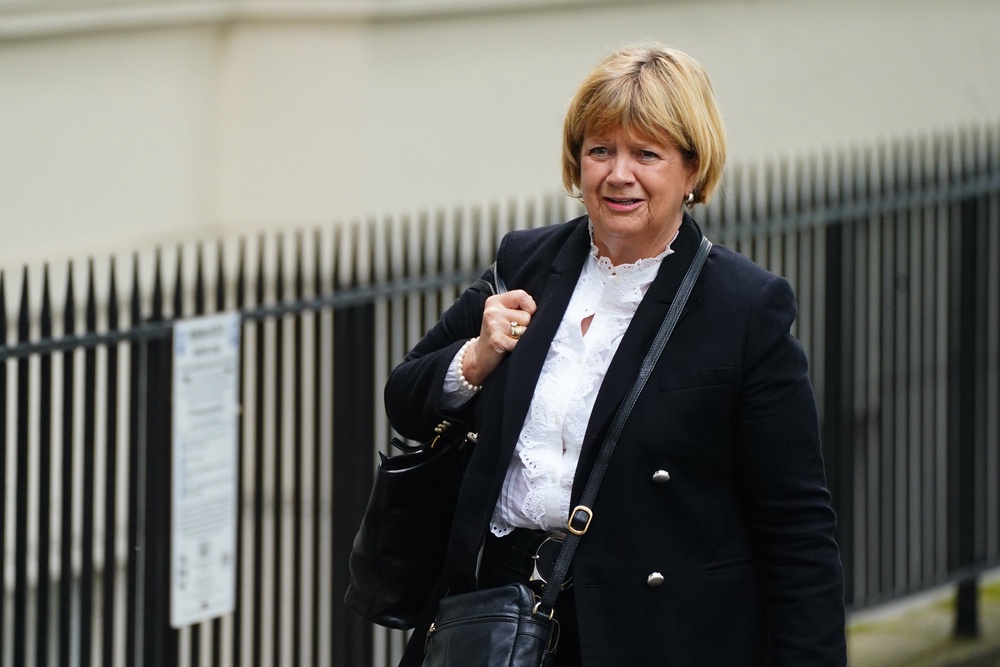
12:20 , Athena StavrouInquiry chairwoman, Baroness Heather Hallett, has delivered a statement on the publication of the inquiry’s latest report into adult social care during the pandemic.
She referenced former health secretary Matt Hancock’s claim he had tried to throw a “protective ring” around care homes, which the inquiry said was essentially unfounded.
“At the critical early stages of the pandemic, not enough was done to protect those living and working in care homes,” Baroness Hallett said.
“A claim that a so-called protective ring had been thrown around care homes right from the start was unfounded.
“Quite the opposite is true.
“During the crucial weeks of March and early April 2020, the overriding focus of the UK government and devolved administrations was on protecting hospitals. The mantra of protecting the NHS sometimes came at the expense of the users and providers of care.”
Key findings of today’s Covid Inquiry report
12:12 , Athena StavrouInquiry chairwoman, Baroness Heather Hallett, laid out a number of key findings in her latest report. Some of these included:
- Preventing visits to care homes “caused incalculable harm to residents and their loved ones and often resulted in a significant decline in the health and wellbeing of residents, especially those with complex cognitive conditions such as dementia”.
- Former health secretary Matt Hancock’s claim he had tried to throw a “protective ring” around care homes was essentially unfounded.
- Shortages of personal protective equipment (PPE) for care workers “led to the wholly unacceptable position that care workers had to work either in unsuitable or poor-quality PPE, or with no PPE at all”, with some resorting to using festival waterproof ponchos, painters’ overalls, and gloves bought online as well as homemade PPE from fabric, bin bags, bed linen and other household items.
- The decision to discharge hospital patients into care homes without testing or vaccines ‘significant oversight’
- Do not attempt cardiopulmonary resuscitation (DNACPR) decisions “made during the pandemic based on a person’s age, disability or health conditions, or without a personalised assessment to consider the person’s wishes and feelings, caused considerable distress and confusion for the individual, their loved ones and staff”. The inquiry branded this “unacceptable” and said it “must not happen again”.
- Support for the approximately 5.8 million unpaid carers across the UK “came too late” and the impact of the pandemic on them “was pronounced” as they faced having to give more complex care for longer hours “with less – if any – respite care”.
- Many of the at least 1.5 million care workers in the pandemic “put their lives at risk to provide care” but a lack of centrally recorded data on the number of care workers who died from the virus “hindered the ability of the UK government and devolved administrations to understand the severity and transmission of the virus and its impact on the social care workforce”.
Recommendations of Heather Hallett’s report
12:07 , Athena StavrouThe Chair of the Covid-19 Inquiry has made eight key recommendations, including:
- Improving arrangements for pandemic planning to ensure clearer structure, roles and responsibilities.
- Better planning for the safe isolation of care home residents.
- Implementing financial support schemes ready to be rolled out to support adult social care staff to self-isolate or to limit staff movement.
- Publishing guidance on visiting restrictions.
- Maintaining inspection and oversight by developing protocols to enable inspections to continue, including, where possible, on-site inspections.
- Improving the collection of data about deaths in the adult social care sector.
- Establishing mandatory end-of-life care training for relevant health and social care workers.
- Introducing a voluntary register for the social care workforce in England, recognising and supporting a workforce that already benefits from such registers in Scotland, Wales and Northern Ireland.
Decision to discharge hospital patients into care homes without testing or vaccines ‘significant oversight’
12:02 , Athena StavrouThe decision to discharge hospital patients into care homes to free up space without sufficient testing, vaccines, or isolation was a “significant oversight”, a major report has found.
When the pandemic hit in early 2020, hospital patients were rapidly discharged into care homes in a bid to free up beds and prevent the NHS from becoming overwhelmed.
However, there was no policy in place requiring patients to be tested before admission, or for asymptomatic patients to isolate, until mid-April, despite growing awareness of the risks of people without Covid-19 symptoms being able to spread the virus.
There was also no vaccines at the time, and a significant shortage of protective equipment (PPE).
The report found that the lack of testing capacity meant that patients were discharged from hospital without knowing their Covid-19 status, leaving isolation as an “important infection prevention and control” to stop the spread.
“However, isolation of all patients discharged from hospitals to care homes was not initially advised in March 2020 in England, Wales and Northern Ireland,” the report found.
“This was a significant omission. There should also have been better planning to accommodate residents who lived in care homes that were unable to provide safe isolation facilities.”
Care homes ‘something of an afterthought’ during pandemic outbreak, inquiry finds
12:00 , Maryam Zakir-HussainA major report into the handling of the adult care sector during the Covid-19 pandemic has found that former health secretary Matt Hancock’s claim he had tried to throw a “protective ring” around care homes was essentially unfounded.
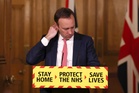
At a Downing Street press conference on May 15 2020, Mr Hancock, who resigned from government in 2021 after admitting to breaking social distancing guidance by having an affair with a colleague, said: “Right from the start, we’ve tried to throw a protective ring around our care homes.”
Bereaved families have previously called the phrase a “sickening lie” and a “joke”.
In the latest Covid 19 Inquiry report, published on Tuesday, it was found that his statement “does not accurately reflect the lack of action taken” to protect care homes at the outset of the pandemic.
The inquiry found: “The UK government and devolved administrations knew, prior to the Covid-19 pandemic, of the extreme vulnerability of care home residents to respiratory viruses. Despite this, care homes received insufficient protection at the time they most needed it.”
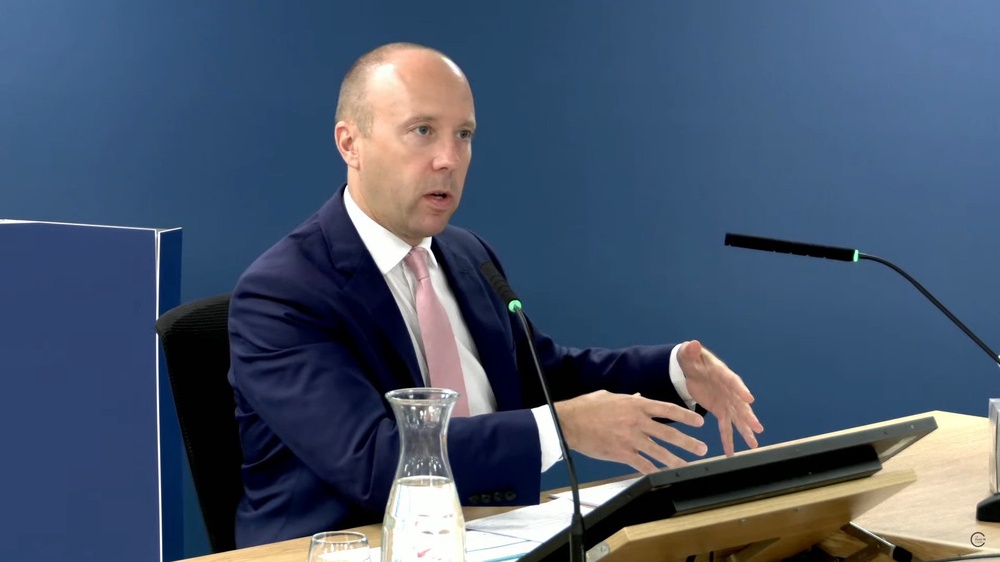
Mr Hancock told the inquiry that the phrase was “clearly a piece of rhetoric” and “form of words rather than the substance”.
But the report said that while his statement “may well have been a piece of rhetoric”, his choice of words “did not reflect what was happening in care homes in the first weeks and months of the pandemic”.
“Much of the action to which Mr Hancock referred did not take place from the start,” it found.
“For example, testing all people discharged from hospital into care homes only began in mid-April 2020 and the Infection Control Fund was introduced in mid-May 2020. The delivery of infection prevention and control training by the NHS also took place in May 2020.
“By the time Mr Hancock made this statement, thousands of people had died in care homes in England.”
Report likely to reference the use of blanket DNACPR orders
11:30 , Maryam Zakir-HussainIn March this year, in a separate report on the impact of the pandemic on UK healthcare systems, inquiry chairwoman Baroness Heather Hallett highlighted reports of blanket do not attempt cardiopulmonary resuscitation (DNACPR) orders, adding that these “should not have happened”.
She also concluded that decisions made in the early stage of the crisis, including discharging patients from hospitals to care homes, should have been planned for sooner and not in the “turbulent early stages of the pandemic”.
The report today will likely reference the use of DNACPR decisions.
'Older people in care and their families were catastrophically let down'
11:02 , Maryam Zakir-HussainSpeaking ahead of publication on Tuesday, a spokesperson for Covid-19 Bereaved Families for Justice UK (CBFFJ) said: “This report must establish who was responsible for the decisions that cost so many lives.
“Bereaved families have fought for this inquiry to prevent others suffering as we have. Its findings must force action on the years of neglect that left social care so dangerously unprepared.
“Another promise to fix the system, followed by more delay, would be an unforgivable betrayal of those who died.”
Nicola Brook, a solicitor from Broudie Jackson Canter, which represents more than 7,000 families from CBFFJ, said: “The pandemic showed us that we have a fragile and underfunded system which is reliant on underpaid and unpaid carers.
“Older people in receipt of care and their families were catastrophically let down. Many died before their time as a result and in a manner that was inhumane. That must never be allowed to happen again.”
Matt Hancock accused of having 'blatantly lied about the situation with care homes'
10:29 , Maryam Zakir-HussainMatt Hancock, who resigned from government in 2021 after admitting to breaking social distancing guidance by having an affair with a colleague, was accused of having “blatantly lied about the situation with care homes”.
At a Downing Street press conference on May 15 2020, Mr Hancock said: “Right from the start, we’ve tried to throw a protective ring around our care homes.”
Bereaved families have previously called the phrase a “sickening lie” and a “joke”.
Remarks from an anonymous witness read to the inquiry last year accused Mr Hancock of not being heartfelt or having a proper understanding of the situation care homes were in during the pandemic.
Report to deliver verdict on ‘generational slaughter’ of 43,000 pandemic care homes deaths
10:19 , Maryam Zakir-HussainA major report into the handling of the coronavirus pandemic in the care sector will today deliver a verdict on the “generational slaughter” of over 43,000 care home deaths.
Campaigners have said the report “must establish who was responsible for the decisions that cost so many lives”.
The deaths felt like a “cull of older people who could no longer contribute to the society”, the inquiry was told, while former health secretary Matt Hancock defended his handling of an “impossible” situation.