THE Department of Agriculture (DA) is expecting the release of a P6.2-billion budget from the Department of Budget and Management to aid farmers and fisherfolk with their fuel and fertilizer needs in preparation for the upcoming El Niño season.
“El Niño this year will be severe, and we must be prepared. We’re really preparing,” Agriculture Assistant Secretary Arnel de Mesa told reporters in Filipino and English during a press briefing on Wednesday.
“We’re just waiting for the Special Allotment Release Order to be released,” he added.
The fund is under the Unified Package for Livelihoods, Industry, Food and Transport (Uplift) program.
“What the DA will do is to maximize our yield in those areas that will not be affected by El Niño, so now we have requested for a budget under Uplift,” de Mesa continued.
As for rice imports, the DA said it is balancing efforts to boost local rice production while maintaining imports to secure buffer stocks amid looming supply concerns for next year.
“We are focusing on local production, but at the same time, we won’t halt imports — we need them to boost our stocks. The issue we face regarding rice supply — not necessarily right now, but looking ahead to next year — is the potential impact of the dry season harvest in March or April,” de Mesa said.
The Philippines’ rice imports as of end-August have reached 3.67 million metric tons, higher than the 2.95 million metric tons of rice imported in the same period last year, according to latest data from the Bureau of Plant Industry.
The agency’s projection for rice imports this year might be higher than that of last year, the agriculture official said.
“Regarding the DA’s projection for rice imports, the 2024 record — set during that El Niño year when we imported 4.81 million metric tons in 2024 — could be surpassed, especially considering the timing of the El Niño’s arrival toward the fourth quarter,” de Mesa said.
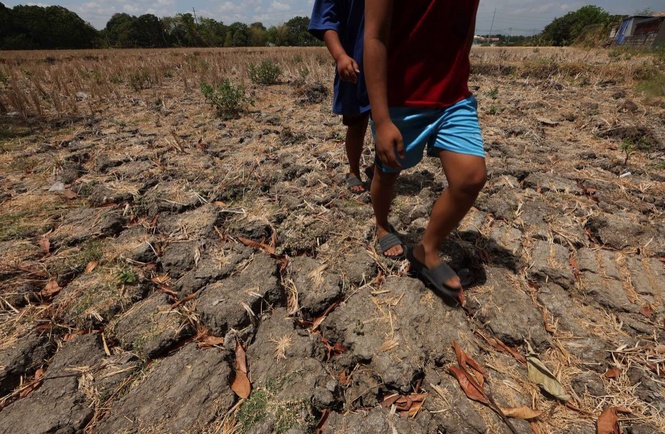
The DA said the country’s rice supply for the rest of the year is expected to remain stable, but the effects of the prolonged dry spell may be felt in early 2027 and could worsen later that year if La Niña follows.
“So, we do not foresee an impact from El Niño on our overall supply this year. The potential impact will likely occur in the first semester of next year, depending on the severity and duration of the El Niño event; furthermore, a severe El Niño is typically followed by La Niña toward the end of 2027, making 2027 a more challenging year than 2026,” de Mesa said.
In addition, the agency is seeking an additional budget for solar irrigation projects to prepare for the expected drought.
“So, we’re asking for maybe up to P5-billion budget for solar irrigation in the National Expenditure Program,” he said, adding this would help farmers with small scale irrigation.