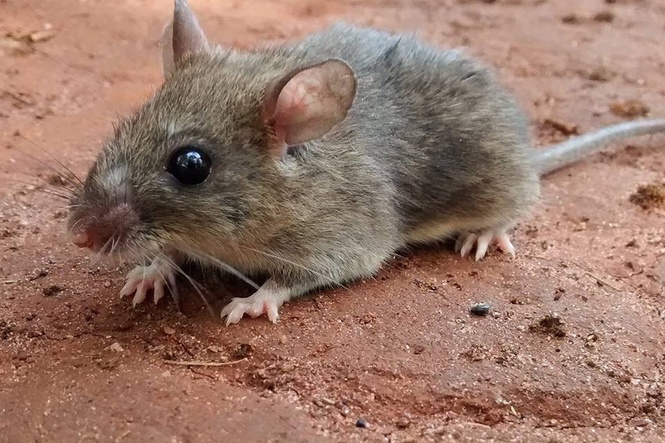
- Increased rainfall driven by climate change could trigger more outbreaks of rodent-borne diseases such as Lassa fever, according to a study published in PNAS.
- Lassa fever causes an estimated 5,000 deaths annually in western Africa and is particularly dangerous in late-term pregnancies, causing fatal outcomes in over 80 per cent of cases.
- Researchers from the Natural History Museum and University of Oxford developed a predictive model using 30 years of rodent data that accurately matched human outbreak timings in Nigeria.
- Wetter weather boosts rodent populations by increasing food availability, while the Lassa virus survives between breeding seasons through high rates of mother-to-offspring transmission.
- Peaks in infected young rodents occur approximately one month prior to human outbreak peaks, offering potential for early warning systems to mitigate disease risk.
IN FULL