Increased rainfall caused by climate change could trigger more rodent-borne diseases, experts warn.
Lassa fever is a rodent borne zoonotic disease that can cause persistent vomiting, facial swelling and breathing problems - in some cases it can be fatal.
The World Health Organization (WHO) has identified Lassa fever as a public health threat in western Africa, infections occur in 300,000 people every year resulting in 5,000 deaths, according to the Africa Centers for Disease Control and Prevention. But these numbers are likely an underestimate due to limited surveillance.
The disease is particularly dangerous in pregnancy with over 80 percent of late-term infections resulting in deaths to the mother or baby.
But researchers have warned changes in rainfall can trigger increases in rodent populations and subsequent spikes in infection.
“The planetary emergency is changing the conditions in which people, wildlife and pathogens interact,” Dr Gregory Milne, researcher at the Natural History Museum, who co-led the study said.
“Our research shows how changes in rainfall can drive rodent population booms and influence infection, helping explain why disease risk varies over time. When we applied the model to Nigeria, the timing of peaks in infected rodents closely matched the seasonal timing of human Lassa fever outbreaks,” he added.
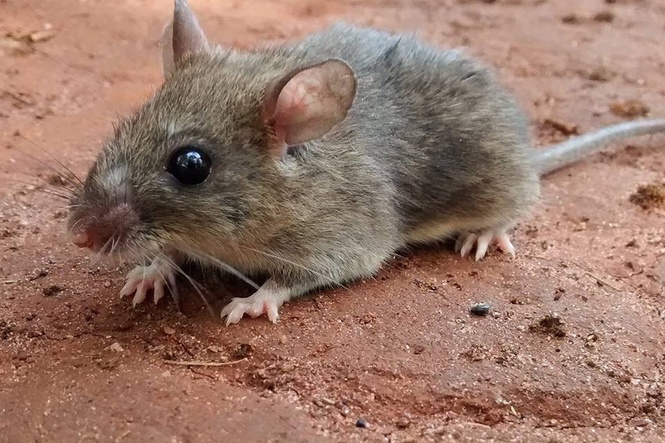
For the study, published in the journal PNAS and led by the Natural History Museum, London and University of Oxford with collaborators at University College London, researchers developed a model using 30 years of data collected by the University of Antwerp on the Natal multimammate mouse (Mastomys natalensis), a widespread African rodent and the main host of Lassa virus.
When tested against more than 6,000 recorded Lassa fever cases in Nigeria, the model accurately predicted the seasonal timing of outbreaks, suggesting it could help scientists identify periods of heightened disease risk.
Using more than 20,000 rodent captures from Tanzania alongside climate and pathogen exposure data, the researchers found that rainfall was a key driver of rodent populations, with wetter conditions likely increasing food availability and boosting breeding.
“Understanding how environmental change affects wildlife populations is essential for anticipating future zoonotic disease risks, and could help scientists and public health authorities identify periods of heightened risk,” Dr Milne said.
The researchers also found that the virus could persist in rodent populations by passing from mothers to their offspring. Their model estimated that almost 80 per cent of infected pregnancies resulted in this form of transmission, helping the virus survive between breeding seasons.
Peaks in infected young rodents tended to occur around a month before peaks in human cases.
The model could often predict the timing of outbreaks, but not their size, which is likely to depend on other factors including human behaviour, contact with rodents and disease surveillance.