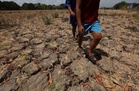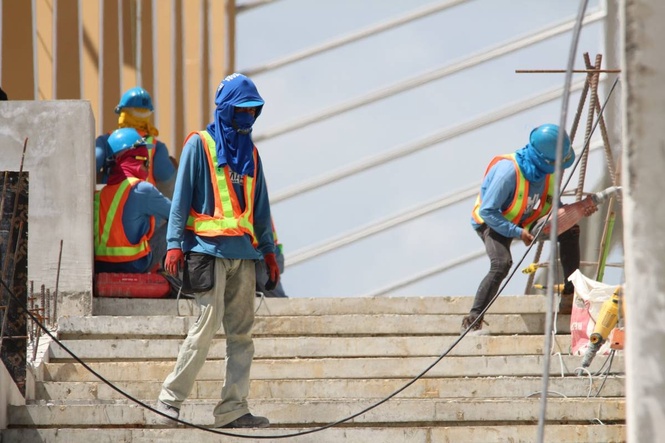
MANILA, Philippines — The Department of Labor and Employment (DOLE) issued guidelines on compensation for heat-related illnesses among workers exposed to excessive heat during El Niño and other periods of extreme temperatures.
In a statement issued on Friday, DOLE said Labor Advisory 19, Series of 2026, signed by Labor Secretary Francis N. Tolentino, outlines the prevention, documentation and reporting of occupational heat-related illnesses, as well as the filing and evaluation of compensation claims.
The guidelines cover workers insured under the Employees’ Compensation Program through the Social Security System and the Government Service Insurance System who are exposed, or may reasonably be expected to be exposed, to excessive heat in their workplaces, including those performing indoor and outdoor duties.
Under Employees’ Compensation Commission Board Resolution 26-10-40, Series of 2026, illnesses that may qualify for compensation include heat stroke, heat cramps, heat exhaustion, heat fainting or dizziness, heat rash, muscle injury or damage known as rhabdomyolysis, dehydration resulting in kidney injury, and neurological disorders associated with extreme heat.
DOLE said factors in determining whether an illness was work-related may include the nature of employment, work activities, workplace conditions, duration and intensity of heat exposure, protective clothing and equipment, and preventive measures. Heat Index classifications issued by Pagasa may also serve as supporting evidence of environmental heat conditions.
The advisory directs employers to keep records of work-related heat illnesses and assist affected workers or their beneficiaries in filing compensation claims. Supporting documents may include workplace temperature measurements, work schedules, records of physical workload and work-rest arrangements, occupational safety and health records, and witness statements.
Employers must also comply with DOLE reporting requirements, including the submission of a Work Accident/Illness Report when required.
The labor department said its regional offices and appropriate attached agencies, along with the Employees’ Compensation Commission through its Regional Extension Units, will disseminate the guidelines and provide technical assistance within their respective mandates.