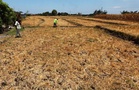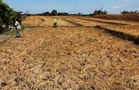
GENERAL SANTOS CITY — With El Niño threatening agricultural production and straining energy and water resources, the Department of Science and Technology (DOST) showcased Filipino-developed technologies to help communities prepare for and manage the effects of prolonged dry conditions during the 2026 National Science, Technology and Innovation Week (NSTW).
Held in General Santos City under the theme “Science, Technology, and Digital Innovation: Driving Food Security, Sustainable Energy, and National Resilience,” the event highlighted interventions in agriculture, clean transportation and disaster risk reduction.
DOST Secretary Renato U. Solidum Jr. emphasized the urgency of putting these solutions into practice, particularly among local governments responsible for protecting communities against climate-related risks.
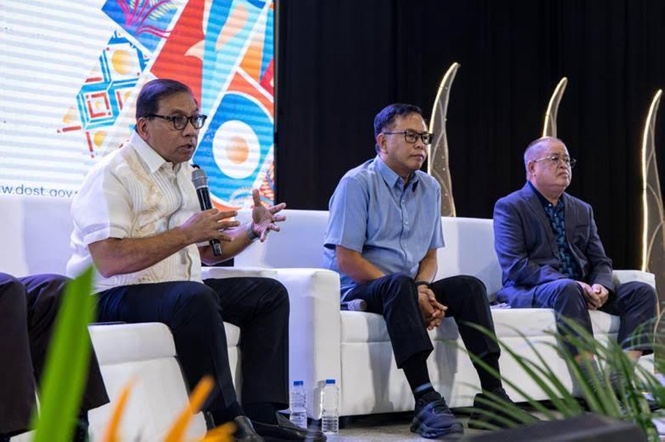
“We are facing the challenge and effects of the ongoing very strong El Niño. And I hope that many of our kababayan, especially the local government, would be able to attend, listen, and explore the solutions relevant to the times,” Solidum said during the NSTW media kickoff at the SMX Convention Center in Davao City on Oct. 16.
In September, the DOST-Philippine Atmospheric, Geophysical, and Astronomical Services Administration reported that El Niño had intensified from strong to very strong and was projected to persist through mid-2027.
Among the technologies presented was the Smart Approaches to Reinvigorate Agriculture as an Industry (SARAI), a DOST initiative that uses camera-equipped drones, artificial intelligence and mobile applications to monitor crop conditions and provide location-specific agricultural advisories.
By helping farmers detect crop diseases and assess field conditions, the system supports more precise decisions on crop management and resource use, particularly when water shortages threaten yields.
“‘Yung paggamit ng AI at mga bagong apps (through SARAI) to have a precise decision, makatutulong doon sa [ating agricultural] productivity,” said Engr. Sammy P. Malawan, DOST-12 regional director.
The NSTW also featured alternative transport technologies, including converted electric tricycles, a hybrid electric train and an electric tranvia. These technologies were presented as potential responses to fuel dependence and air pollution, particularly as the country faces pressure to make energy use more efficient.
“Ang tina-target natin para sa e-vehicles ay ma-deploy natin ito this year. Ito ‘yung mga solutions sa energy crisis ngayon at saka solves the problem ng pollution sa air. Napakalaki ng maitutulong,” Malawan said.
Beyond agriculture and transportation, the National Grassroots Innovation and Circular Economy (GICE) Exposition featured community-developed technologies for addressing local environmental hazards and disasters.
Anthony C. Sales, DOST-Davao regional director, said communities in SOCCSKSARGEN had developed practical tools and techniques through years of experience dealing with local risks.
“They [SOCCSKSARGEN communities] themselves have developed, through centuries or decades, these technologies and tools that they have used to combat emergencies and disasters and other calamities in their area,” Sales said.
The DOST partnered with the Mindanao Development Authority to integrate disaster risk reduction and management and climate change adaptation into regional economic development, with an emphasis on solutions that strengthen local resilience and support livelihoods.
“We hope to showcase their interventions that can help them survive hazards and then to continue their development. Kaya ang focus natin really is sustainable development,” Solidum said. - Karl Jerome A. del Mundo, DOST-STII